
In-depth analysis of temperature monitoring system...
Read More
User Requirements
- How to ensure that the temperature is not exceeded during transportation
- How to know when an overheating event occurs
- How to ensure the temperature monitoring system works and alerts when the road condition is bad.

Temperature Monitoring
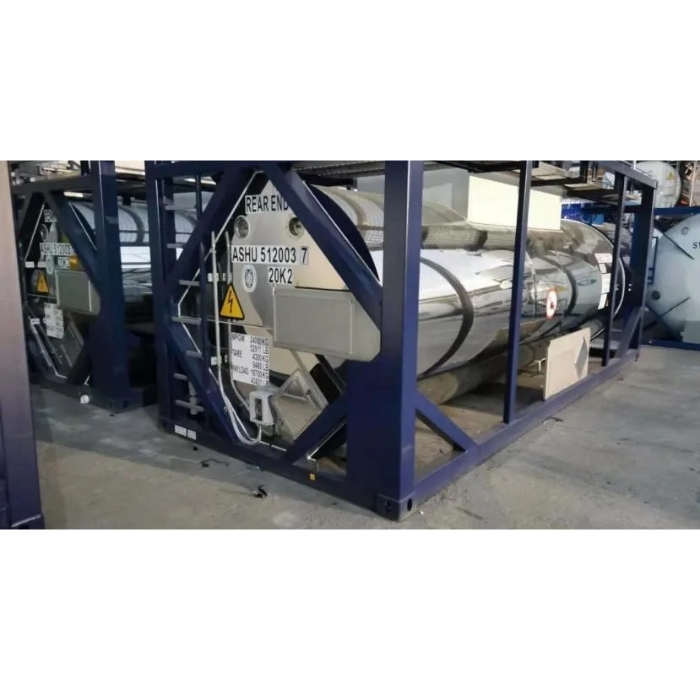
- Isolation: the interior of the tank is isolated from the outside environment, making it difficult for temperature monitoring equipment to come into direct contact with the cargo.
- Insulation: Tanks are usually well insulated, meaning that changes in internal temperature are not immediately transmitted to external surfaces, making it impossible for monitoring equipment to accurately sense changes.

External conditions
- Mobility: Tanks are often transported in vehicles such as ships, trains, or trucks. Mobility can cause vibration and shock to the temperature monitoring equipment, which can affect its accuracy.
- Environment: Tanks may be transported in a variety of environmental conditions such as high temperatures, low temperatures, high humidity, or inclement weather, which can affect the performance and stability of the temperature monitoring equipment.
- Energy constraints: Tanker transportation often requires monitoring equipment with low energy consumption to ensure that it does not consume excessive power, which limits the functionality and performance of the monitoring equipment.