preamble
Today, with the rapid development of automobile electronics and intelligence, theOn-Board Diagnostics (OBD-II) It has become the common language of automotive repair and emissions monitoring.
From the blinking of the engine malfunction warning light to the return of data from the cloud-based car network, OBD-II plays the role of a "vehicle health management hub".
Mastery of this standard helps engineers and maintenance personnel pinpoint problems more accurately, and lays the foundation for fleet management, intelligent transportation and autonomous driving.This article will bring you an in-depth understanding of the OBD-II architecture, communication principles and diagnostic trouble code (DTC) analysis, as well as a review of the evolution of the standard and its practical applications.

OBD-II On-Board Diagnostic System Overview
OBD (On-Board Diagnostics.In-vehicle diagnostic systemIt is an electronic self-monitoring and troubleshooting system built into the vehicle to monitor the operation of key components such as the engine, transmission, emissions and electronic control unit (ECU).
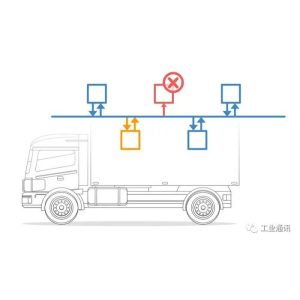
By communicating with the ECU (Electronic Control Unit), service personnel can quickly determine the location and cause of a malfunction. Common ECUs include Engine Control Module (ECM), Transmission Control Module (TCM), Electronic Brake Control Module (EBCM), and so on.
With the OBD system, owners and technicians can detect anomalies in real time, reduce emissions and improve maintenance efficiency.
Emission Control and the Birth of OBD Standards
The U.S. Environmental Protection Agency (EPA) has set emissions standards under the Clean Air Act, and the California Air Resources Board (CARB) has pushed for OBD regulations to force automakers to install self-diagnosing electronic control systems in vehicles.
Since 1996, all light vehicles in the U.S. have been required to carry OBD-II SystemSince 2005, heavy vehicles have also been fully included. This set of standards was subsequently adopted by Europe and Mainland China, and has become a global standard.Vehicle Troubleshooting Protocol。

OBD development and OBD-II features
Early OBDs only provided simple feedback through dashboard warning lights and could not pinpoint the source of the problem. As the technology evolved, OBD-II was officially launched in 1994, using a standardized16-Pin Diagnostic Port (DLC)It supports real-time data monitoring and fault code reporting.OBD-II monitors not only the engine, but also the chassis, body electronics and ancillary equipment through theCAN bus protocolEfficient data exchange allows technicians to quickly access vehicle diagnostic information with scanning tools.
OBD-II Standard and Diagnostic Protocols
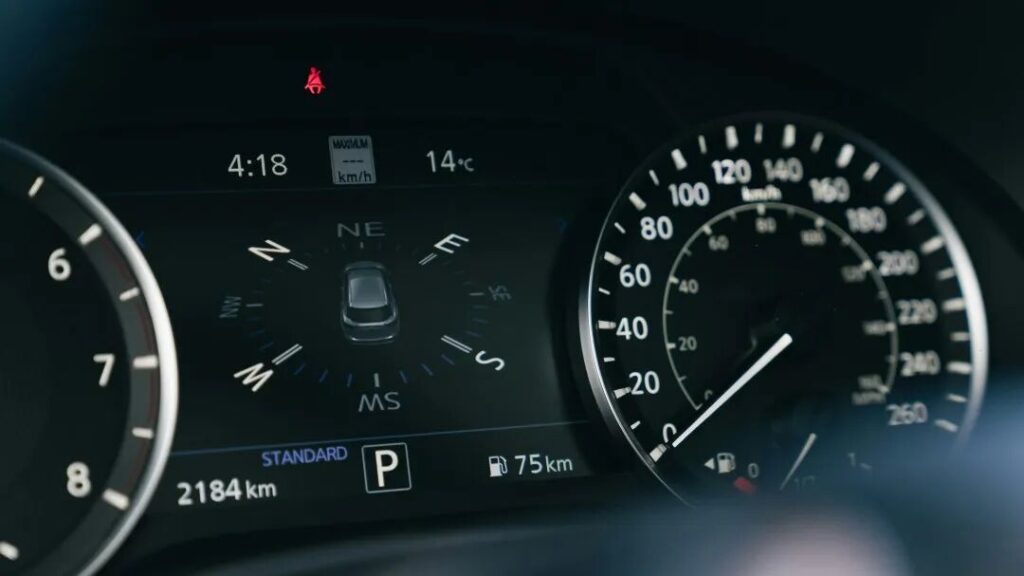
The OBD-II standard defines the communication methods, data codes and signaling protocols between the vehicle and external diagnostic equipment according to ISO 15031.
This specification ensures that the OBD-II port provides vehicle operational data in a uniform format, such as engine speed, emissions status and fuel system information.The diagnostic ports are divided into Type A (12V vehicle) 與 Type B (24V vehicle)It facilitates the standardization of maintenance procedures by vehicle manufacturers around the world.
Diagnostic Troubleshooting Code (DTC) Structure and Examples
DTC (Diagnostic Trouble Code.Troubleshooting Code) is the heart of the OBD-II system. Each five-digit code identifies the location and type of problem:
Pxxxx: Powertrain
BxxxxBody
Cxxxx: Chassis
Uxxxx: Communications Network (Network)
The second digit represents the common or manufacturer's customization, and the third digit indicates the subsystems, e.g., "3" is the ignition system, "4" is the emission system, and "7" and "8" are the transmission systems.Common examples are as follows:
P0112: Air inlet temperature sensor signal too low
P0410: Secondary Air Injection System Failure
P0710: Transmission Oil Temperature Sensor Circuit Error
Application and Future Development of OBD-II
In addition to emissions monitoring, the OBD-II interface is now widely used in fleet management, fuel efficiency analysis, ADAS-assisted driving, smart car networking, and more.
With OBD-II data, vehicle manufacturers and system integrators can instantly track vehicle status, perform preventive maintenance and analyze data to further promoteDevelopment of Smart Cars and Telematics。
Since the 1980s, Kvaser has been deeply engaged in the research and development of CAN bus and automotive communication technologies, and has continued to promote the innovation of M2M (Machine to Machine) and in-vehicle network standards, and is still one of the world's leading CAN technology providers.As Kvaser's technology partner in Taiwan, MAXTRONIC has been committed to bringing its expertise and products to the local industry in a wide range of applications, including vehicle diagnostics, EV testing, in-vehicle communication simulation, and education and training.
We hope that by promoting the knowledge of OBD-II, CAN, LIN, and Ethernet automotive communication technologies, we can help engineers, researchers, and educational institutions to more effectively grasp the core principles of in-vehicle network diagnostics, and accelerate the development of Taiwan's intelligent car electrics and automated driving technologies.
This article was rewritten from KvaserWeChat:K課堂 | Comprehensive Analysis of Automotive Self-Diagnostic Standard OBD-II (with Detailed Diagnostic Troubleshooting Code DTC)
If you are interested, you are welcome to follow us for more information on this article.If you have any questions, please feel free to contact us!