Vehicle Network Architecture Modeling and Simulation Software RTaW

What are the challenges of automotive E/E architecture design?

1

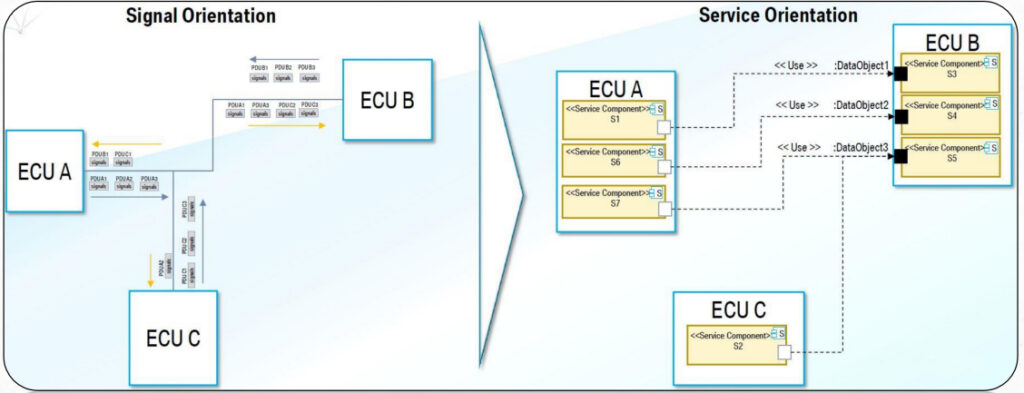
Function Oriented Signal → Service Oriented (SOA) Transformation

With the development of the smart grid, autonomous driving, and electric vehicles, software, computing power, and advanced sensors are coming to dominate. This change has also prompted the automotive E/E architecture to change from a signal-oriented to a computing platform-based, service-oriented (SOA) architecture. Service-oriented architectures are easier to maintain and have higher availability.

2

Scalability and reusability of SW and HW through modularization

Modular privacy and trust: Across all vehicle boundaries, the roles, capabilities and licenses of each module must be centrally managed.

The need for modular security: A library of analogous security for fault control zones is needed to ensure that errors occurring in certain zones do not propagate across modules.

3

Integration and testing of sustained high-cost inputs

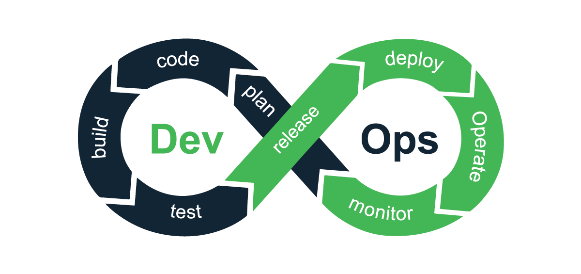
Continuous deployment and testing of the entire system requires more attention to automated testing

Early verification and validation of the more complex systems on the virtual platform is critical.

Test coverage must be measured in terms of variability and proven implementation paths, not just driven by kilometers.

4

Scalability of automotive lifecycle hardware and software

Service Oriented Architecture (SOA): Big Data and Artificial Intelligence algorithms are used to correlate many of the various existing design specifications;

Satisfying modularity properties: a centralized security model of the transmissibility trust algorithm , a mathematical model of the probability of failure in the fault containment region and its resulting “modular error rate”;

High-involvement integration, testing: design of complexity metrics and test coverage calculators; simulation of “full-stack“ system behavior with varying degrees of accuracy, possible insertion of real components for software-in-the-loop or hardware-in-the-loop test cases to build confidence in the overall system.

Service-Oriented (SOA) Automotive TSN Network Architecture

RTaW-Pegase

Comprehensive simulation and design software for TSN networks

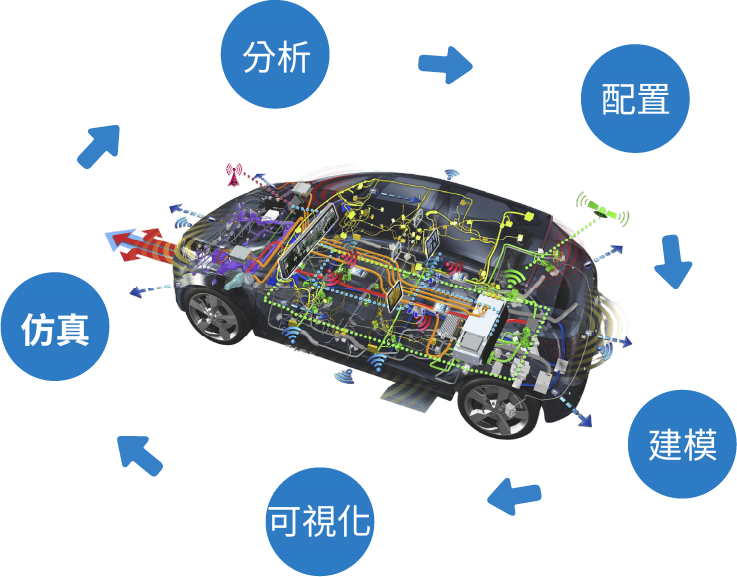
RTaW-Pegase® is a solution for modeling, automated configuration and simulation of automotive communication network architectures to support design selection and validation throughout the automotive lifecycle.

汽車內部系統分析示意圖,展示車輛的配置、建模、可視化、仿真、分析等功能。

Checking Performance and Reliability

Time-accurate simulation simulation and mathematical theory analysis

Reduce time-to-market costs

Auto-configuration algorithm for QoS parameters for all networks

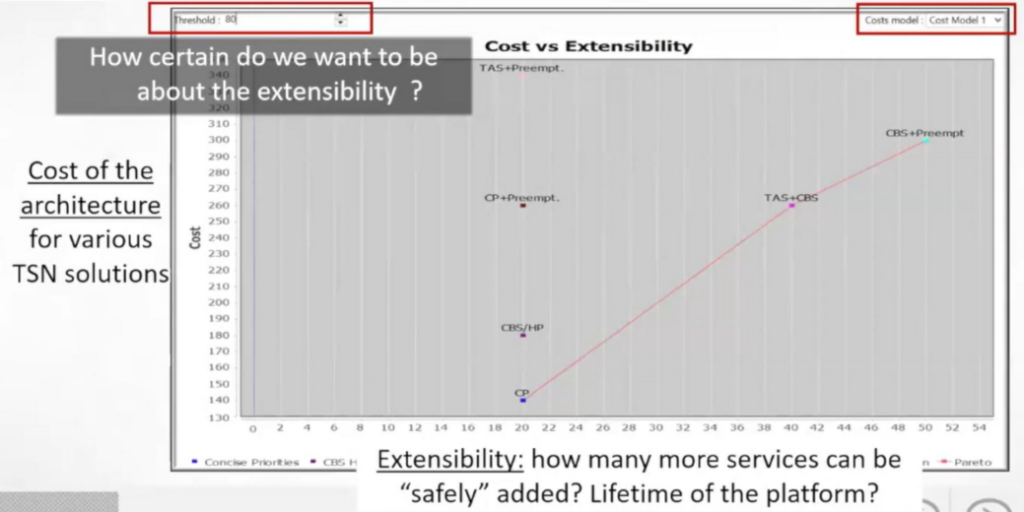
E/E Framework Cost Optimization

Better use of hardware and software resources

Design for the Future

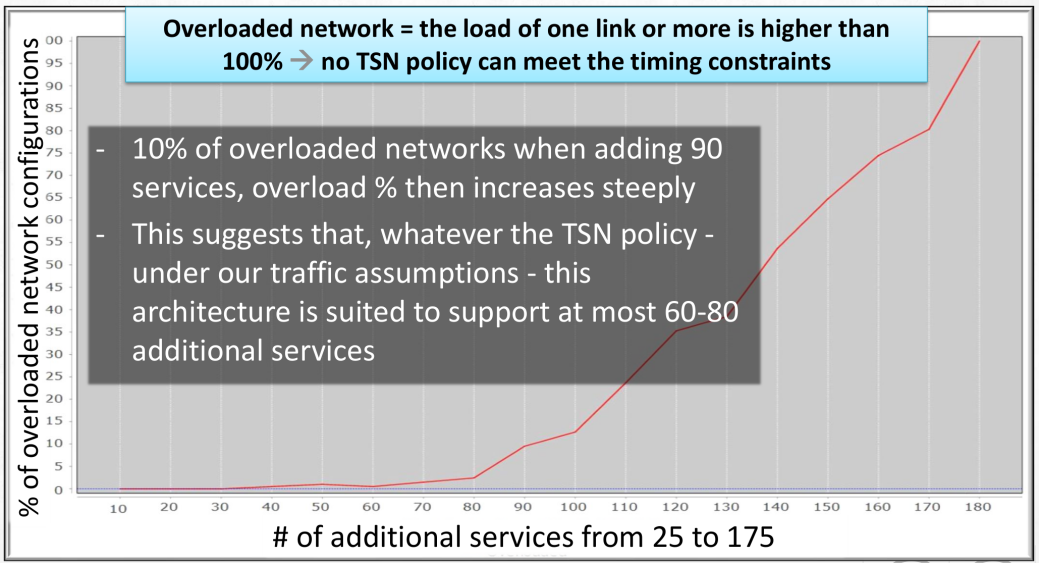
Quantifying the additional network traffic that can be added

Trusted Results

RTaW-Pegase has been used by industry leaders for more than 10 years
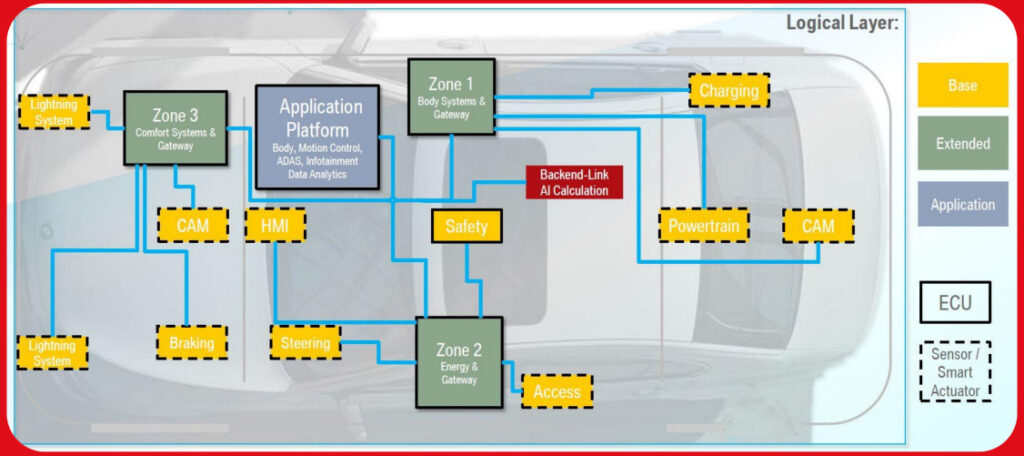
RTaW-based TSN simulation case of a large-scale mainframe factory.

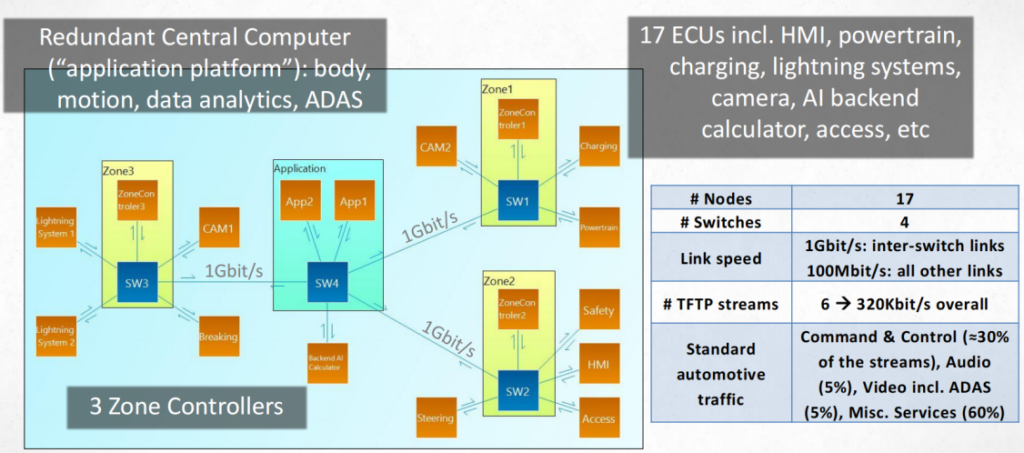
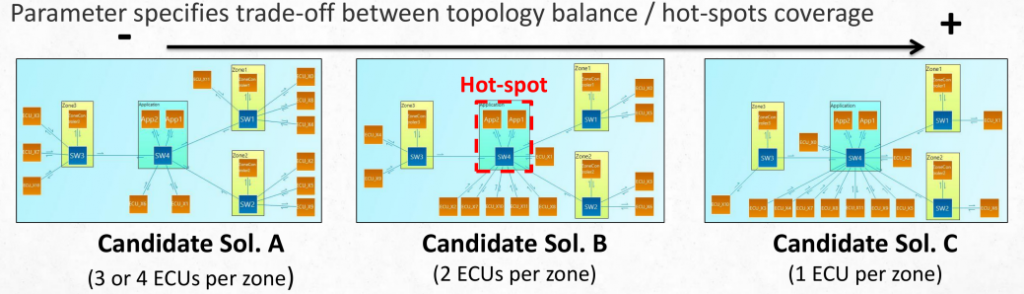
The host factory's new-generation E/E vehicle architecture adopts a centralized computing platform + domain control distribution, with redundant central computers (application platform) including body, motion control, data analysis, safety, and ADAS; and three domain control stations totaling 17 ECU nodes: HMI, power system, charging system, cameras, artificial intelligence back-end calculators, access points, etc. The mainframe of this host factory's new-generation E/E vehicle architecture adopts a centralized computing platform + domain control distribution. Use RTaW-Pegase software to simulate the construction of SOA architecture prototype, and link simulation and traffic analysis as shown in the following figure.

SOA Architecture Prototype
Network modeling under RTaW

How does RTaW-Pegase decompose and analyze our design concerns?

Contact Now


Learn more about our products & consulting solutions