01 Introduction
Modular instruments are significantly smaller than conventional instruments.Ideal for mounting on circuit cards and also for inserting multiple cards into frames with common computer interfaces, power supplies and interconnections.。
Modular instrument frames include computers with standard PCIe interfaces, PXI test frames, or LXI-based boxes, and engineers typically use multiple cards and configure them into test systems that may contain multiple instruments, a single instrument type with multiple channels, or a combination of both.
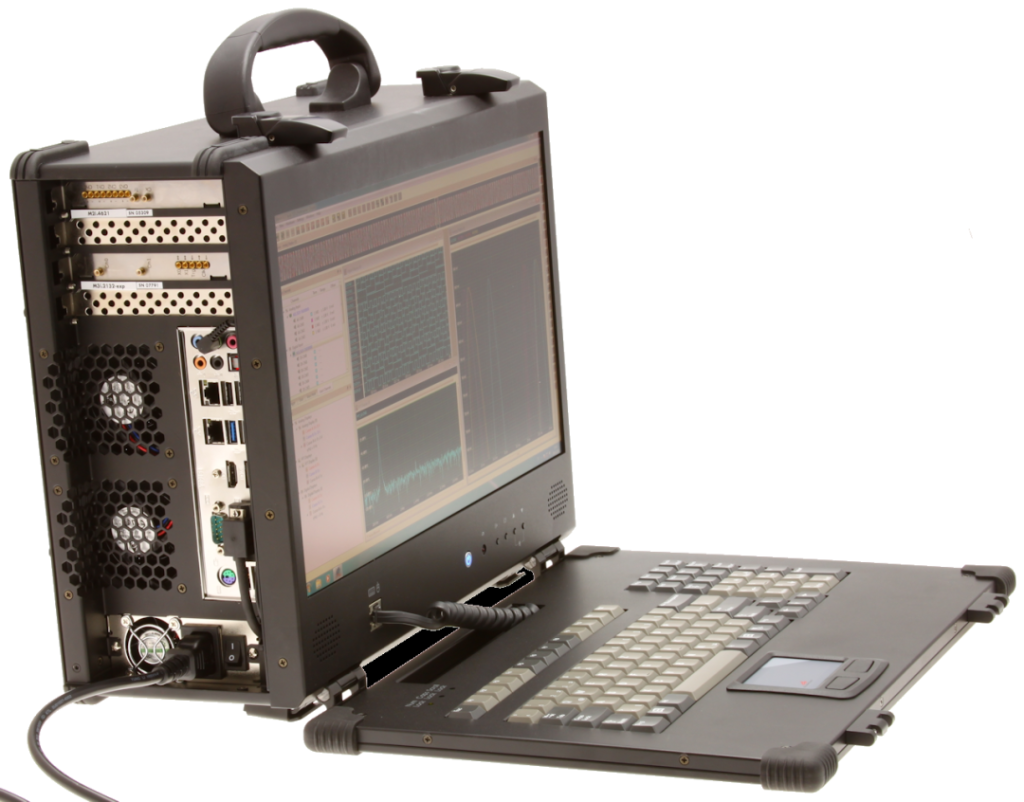
The picture above shows a portable computer with two PCIe modular digitizers. This compact, self-contained deviceCan be used inside the vehicle, allowing measurements to be taken while the vehicle is in motionPXI-based modular systems are not autonomous. PXI-based modular systems are not autonomous - they require an external display and keyboard to work - but a greater number of modular instruments can be configured on demand in a single chassis.
LXI-based systems, such as Spectrum digitizers and AWG 2-in-1 products, are ideal for laboratory installation and mobile use, providing a large number of channels and connections over LAN for direct connection to laptops or remote control room monitoring and control.
02 Introduction to Vehicle Electronics
The basis of the electronic subsystem in the vehicle is the microprocessor.
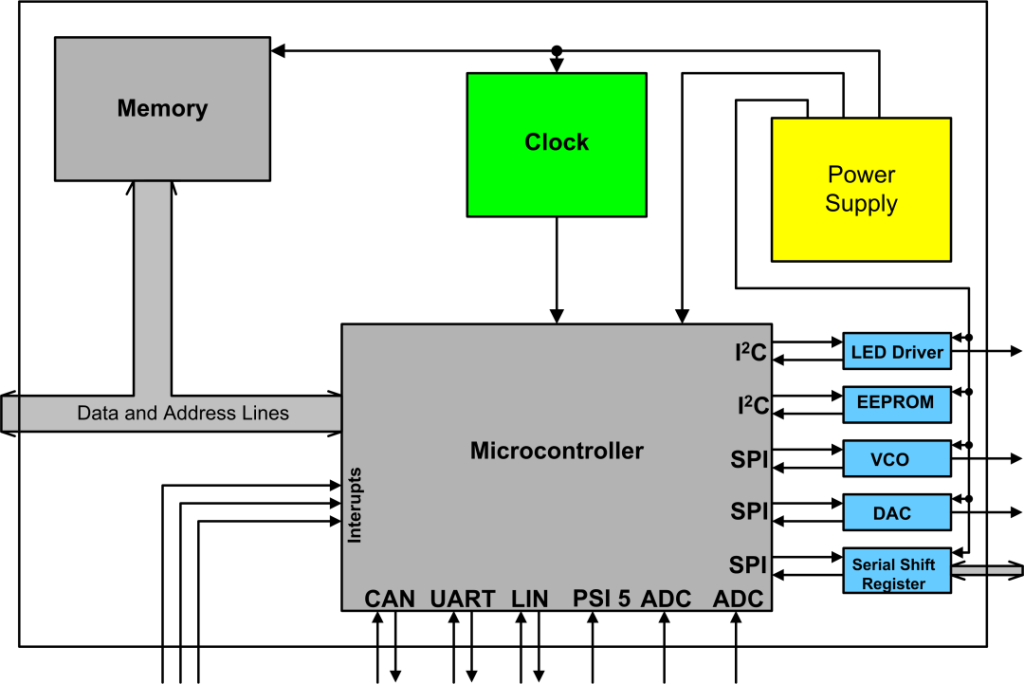
These microprocessors differ from standard microprocessors by having higher environmental and reliability standards, as well as the addition of specialized vehicle buses and interfaces (e.g. CAN, LIN and PSI5). These interfaces allow the microprocessors to communicate with other processors, sensors and actuators.
The Controller Area Network or CANbus is the most complex data bus shown here and is the backbone of many automotive data links. In its basic form, theIt uses differential signals with 8-byte packets to exchange data over a two-wire bus at speeds ranging from 20 kb/s to 1 Mb/s.The latest version of CAN Flexible Data Rate (CAN FD) extends the data content to 64-byte packets exchanged at up to 12 Mb/s. The latest version of CAN Flexible Data Rate (CAN FD) extends the data content to 64-byte packets exchanged at speeds of up to 12 Mb/s. The data content can be exchanged at up to 12 Mb/s, but the data content can be exchanged at up to 12 Mb/s.
Local Interconnect Network or LIN bus is a lower cost bus used to help reduce costs for non-critical applications. It uses two, four, or eight data frames running at up to 20 kb/s over a single line.
The PSI 5 interface is used to connect multiple sensors to the electronic control unit and has been used as the main sensor communication bus for airbags and related restraint systems. It is a two-wire bus that runs at speeds up to 189 kb/s using Manchester encoding.
03 Application of Digitizer in Automotive Testing
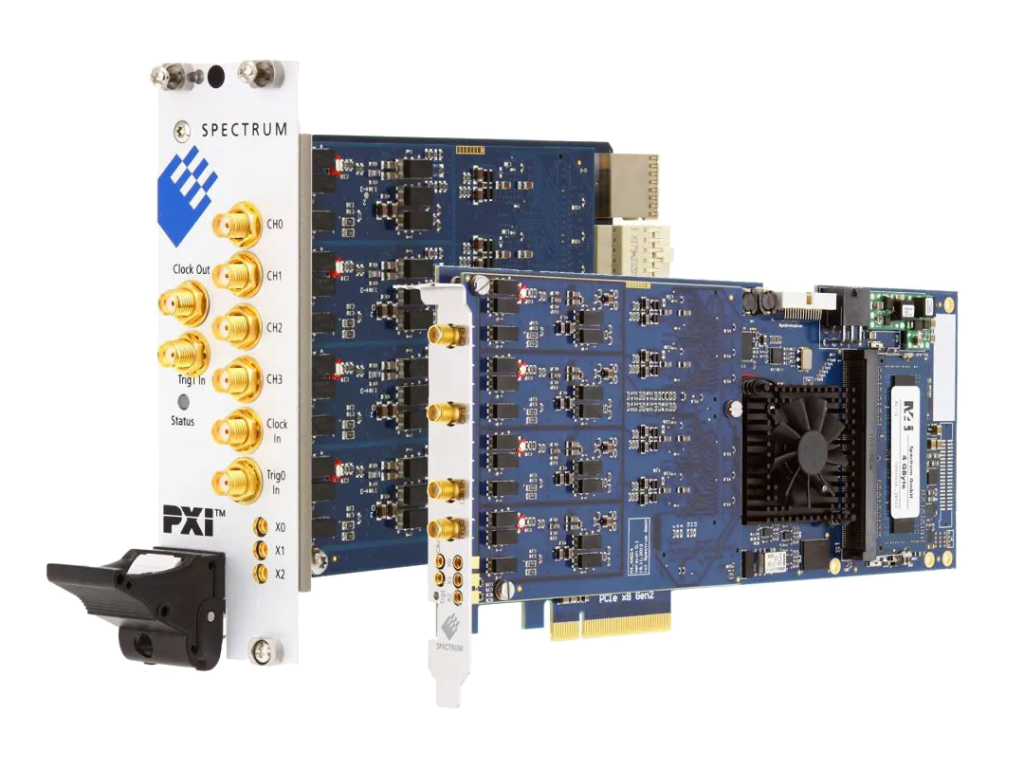
The most commonly used modularization instrument is the digitizer. A digitizer is an electronic acquisition device that takes analog waveforms, samples them, digitizes them through an analog-to-digital converter (ADC), and sends the digitized samples to a buffer where they are stored until they are processed by a computer.
Spectrum Digitizer's ADCs with 8- to 16-bit resolution, analog bandwidths up to 1.5 GHz, sampling rates up to 5 Giga samples per second (GS/s), and 1 to 16 channels per card. Multiple cards can be synchronized, up to 16 cards per system (or up to 256 fully synchronized channels). These instrument systems can be reconfigured indefinitely to acquire, store and measure signals from the vehicle's embedded systems.
Digitizers can be selected to match the data rate and bandwidth requirements of each interface as well as the more common processors and associated operations.
Click >>Learn more about Spectrum products
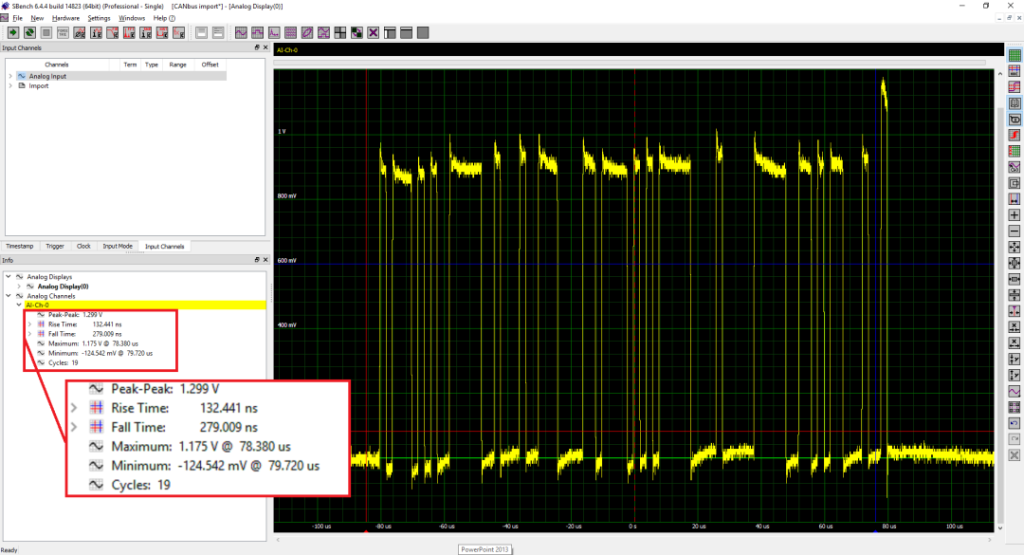
Consider the task of monitoring the CANbus interface. The digitizer used for this measurement has remotely configurable inputs that allow the use of single-ended or differential inputs for each channel. In this example the differential input was used. The results are shown in the figure above. The acquisition results are displayed using SBench 6 software, which allows the physical layer of the interface to be analyzed. The amplitude and timing of the signal can be verified to ensure compliance with the CANbus standard.
Basic measurements of signal amplitude (including peak-to-peak, maximum, and minimum) characterize the data packet. Additional timing measurements of rise and fall times are taken to ensure the integrity of the bus signal.
In addition to the physical layer, the Spectrum digitizerIt can also be connected to third equations such as LabVIEW and MATLAB.The program can be used to decode waveform data and explore the protocol layer. Experienced engineers can create custom programs in C, C++, Python or similar languages using Windows and Linux drivers to develop custom decoding operations.
Modular instruments are well suited for vehicle testing applications, offering a large number of channels with resolutions from 8 to 16 bits. Sample rates of up to 5 GS/s allow the selection of fast or slow samples to match the application, and they can be tested even when components are missing. a choice of PCIe, PXI or LXI configurations meets the needs of portable or laboratory testing.
If you have any questions, please feel free toContact Us!