Honghong Automatic Tunable Light Source Filter Performance Test Solution

Fully automatic adjustment of the output wavelength and bandwidth of the test light source to improve the accuracy and efficiency of the optical filter inspection process.

Integration of broadband white light source, automatic wavelength selector and high-resolution spectrometer, realizing stable and clear white light output, intelligent and precise wavelength and bandwidth adjustment of light source output testing

Extremely fast acquisition of spectral data, instantly shorten the detection time, significantly reduce the cost of quality control. High accuracy, fast detection efficiency, so that your project can be more effective with less effort.

Easily adapted to narrow bandpass optical filters, very narrow optical filters, and various types of filters for spectroscopic inspection processes, ensuring worry-free project quality.

Why is the traditional filter detection method ineffective?

Optical filters are optical components that are active in all major optical devices and can selectively allow a particular band of light to pass through while “masking” other bands of light signals.No. 1. It plays an important role in a variety of optical applications, including microscopic imaging, spectroscopic testing, hyperspectral imaging techniques, industrial inspection, biochemical instruments and scientific research.

A variety of key performance indicators to ensure stability and reliability.

Optical filters have a number of key performance indicators, such as transmittance, cut-off wavelength, polarization, and spectral response curve. By measuring these performance indicators, the response of the filter to the spectrum and its operational performance can be evaluated to ensure its stability and reliability during use.

Conventional Filter Inspection Methods are Complicated and Inefficient

Conventional optical filter inspection methods usually use a grating monochromator, a spectrometer and a light source system. Before each test, inspectors need to manually adjust the slit of the grating monochromator or calibrate the exit light of the monochromator, and manually record the intensity of different wavelengths passing through the filters on the software, which increases the labor and time cost.

Conventional Filter Inspection Methods Have Low Detection Accuracy

Manual operation inevitably brings about operating errors, thus reducing the accuracy of single-wavelength output detection.

光學濾光片
光學濾光片

Honghong Automatic Tunable Light Source Inspection Solution

The system integrates a broadband white light source, an automatic wavelength selector and a high-resolution spectrometer to provide stable white light output and automatically adjust the output wavelength and bandwidth of the light source to quickly collect spectral data, significantly shorten the inspection time, and reduce the cost of quality control. At the same time, the system has extremely high accuracy and detection efficiency, and is suitable for spectral inspection of narrow-band and very narrow-band flux optical filters and all kinds of filters.

宏虹全自動可調諧光源檢測解決方案

Satisfying various testing needs

Automatic adjustment of wavelength and bandwidth, detection of the start and stop wavelengths of the filter, the maximum absorption band of the filter, and detection and identification speeds faster than 5ms.

Broadband spectrum white light source

Provides 350-2500nm spectral output, covering most of the working wavelengths of the filter.

Fully automatic wavelength selector

Minimum bandwidth can be set to 2nm, resolution <1nm, and minimum 1nm step can be set for precision scanning.

High-speed, high-quality data acquisition

High-resolution spectrometer with low dark noise and stray light to ensure high-speed spectral data acquisition
Fully Automatic Tunable Light Source Inspection System Test Process and Results

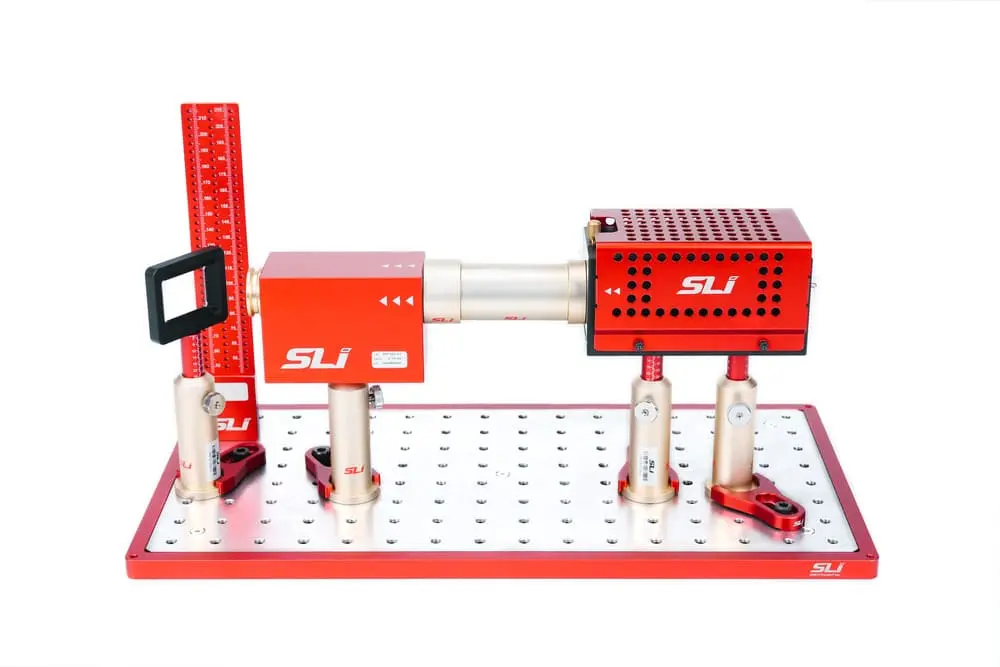
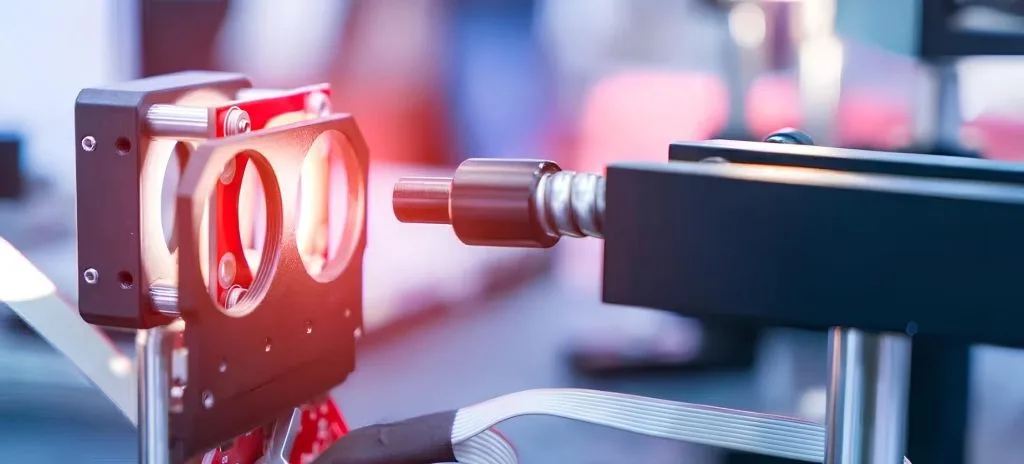
The overall system structure is shown in the figure, which consists of three parts: the light source input, the detection position and the detection output. The light source input consists of an ML light source and an automatic wavelength selector; the detection position holds different types of filters to be tested; and the detection output consists of a customized detection module and an ML spectrometer. The system detects narrow bandpass filters in the range of 540-600nm with a center wavelength of 580nm.

1. Set the parameters and measure the filter spectrum using a broadband light source.

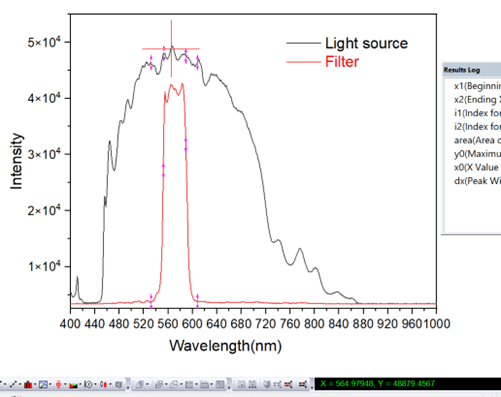
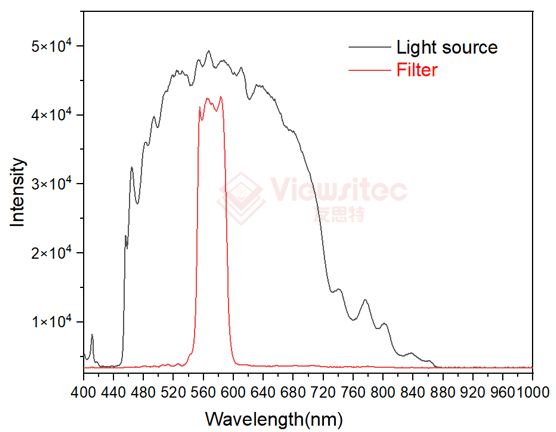
  • Set parameters in the supplied control software to automatically control the wavelength and bandwidth output of the wavelength selector, use the ML light source as the illumination source, and use the spectrometer to record the broadband spectrum of the light source, as shown in the black curve on the left.

  • The filter under test is placed at the end of the light source outlet and fixed, and must not be moved or changed in height during the entire test process, using a spectrometer to record the spectrum of the filter, as shown in the red curve in the figure below.

  • Place the filter under test at the end of the light source outlet and fix it, do not move or change the height during the whole test process, use the spectrometer to record the spectrum of the filter, as shown in the red curve in the right figure.


2. Calculation of pass-through rate

  • After obtaining the original spectrum of the light source and the spectrum of the filter, the transmittance is calculated by integrative fitting, as shown in the left figure.

  • Or you can use the T/R tool that comes with the spectrometer software to directly measure the filter transmittance.


3. Measurement of filter spectra using a single wavelength light source

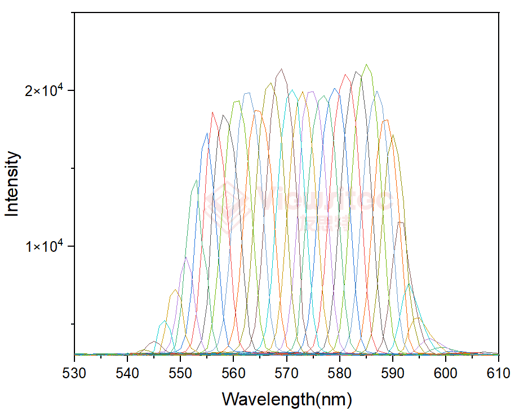
  • The ML light source is used as the illumination source, the wavelength selector is used to select the broadband spectrum, the single wavelength scanning range is set according to the filter spectrum, and each wavelength is recorded by the spectrometer.
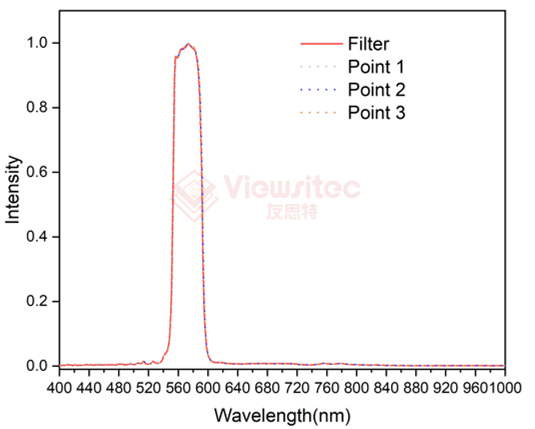
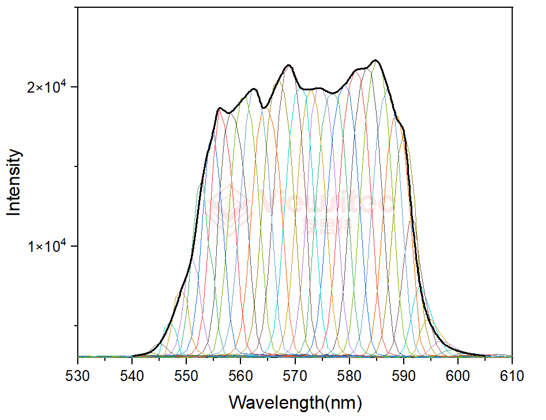
  • Connect the spectral intensity values of each single wavelength to obtain the spectral curve of the filter, as shown in the black curve on the right.
  • In order to provide accuracy, multiple single wavelength measurements can be taken at different locations on the filter, resulting in multiple black curves as shown above, and taking the average value as the final spectral curve.


Example of test results

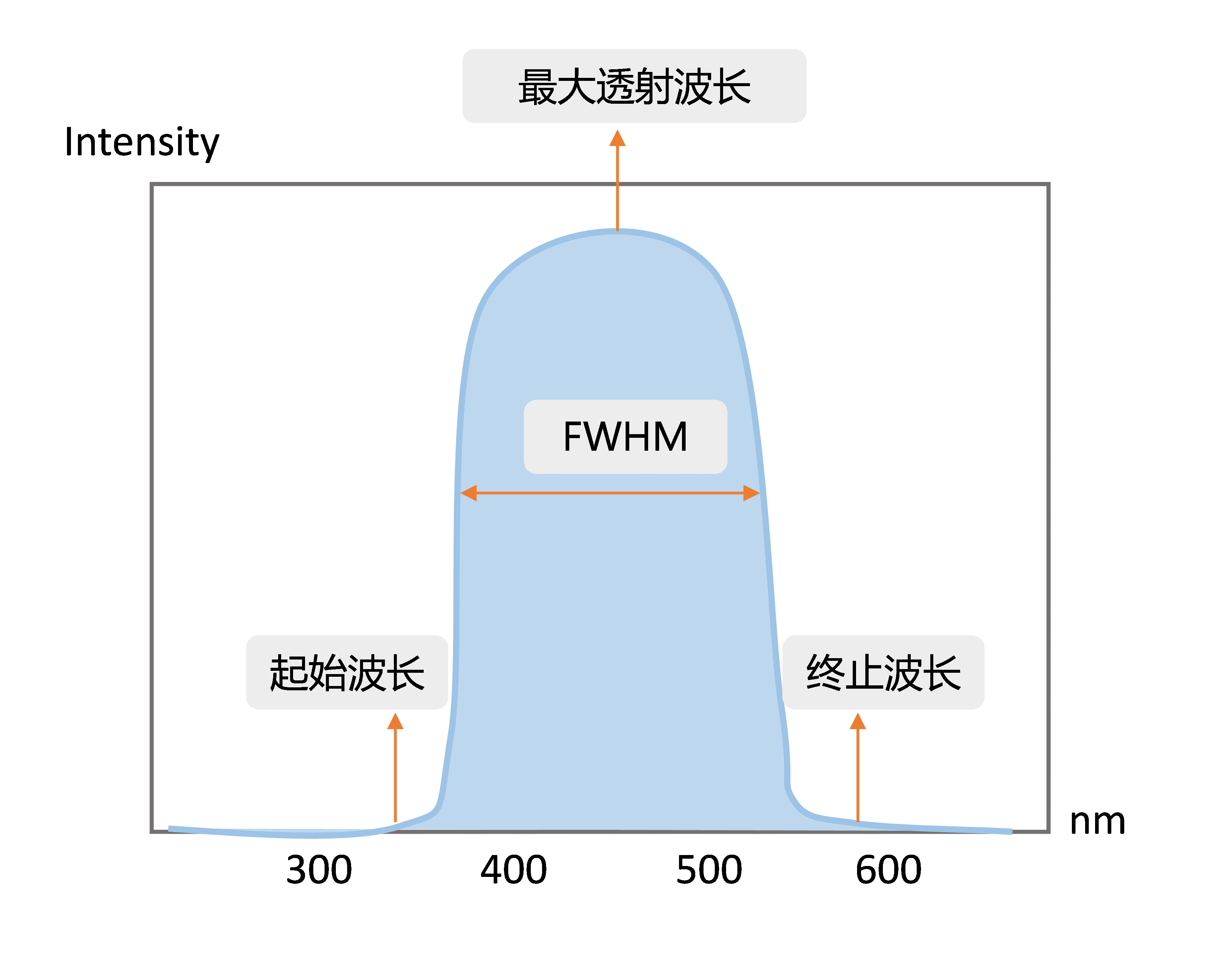
By combining a customized detection module and a spectrometer, the data can be combined and processed to obtain the transmission spectrum, transmittance, start/end wavelength, and other parameters of the filter.

Fully automatic tunable light source filter performance testing solution for your project success.

255-1650nm range

Covering the wavelength range of 255-1650nm, the optical precision and quality meets the needs of various applications.

FWHM resolution 1nm

High resolution ensures that you can capture subtle spectral features and precisely analyze subtle changes in each wavelength.

Dual Wavelength Bandwidth Adjustment

Precise control of wavelength and bandwidth according to project requirements for customized optical performance

Narrow stitching 0.3-10mm

Flexible adjustment of the light output slit to meet the needs of different sample sizes and experimental conditions, ensuring accurate data collection.

Up to 3W white light output

Powerful white light output ensures sufficient light intensity for a variety of demanding experiments and applications.

ms response time

Millisecond response time, realizing fast data acquisition and real-time monitoring, improving experimental efficiency and responsiveness.

Set product introduction

The Honghong High Spectrum System consists of a high-power infrared light source, tunable wavelength selector, lens and short-wave infrared camera designed for high spectral imaging applications. The infrared light source in the system provides high power output in the 900-1700nm range, while the wavelength selector provides fast, accurate and high-resolution tuning, and the short-wave infrared camera captures the image signals to produce high-quality images as shown in Table 1.

For customers with high spectral imaging needs, we will use the fully automatic tuning wavelength selector FWS-Poly as the core equipment, according to the actual application scenarios, to provide more accurate, high-resolution customized high spectral imaging solutions. This system is suitable for scientific research, industrial inspection and other fields to meet complex imaging needs.

Mighty Light光源

MT White Light Source

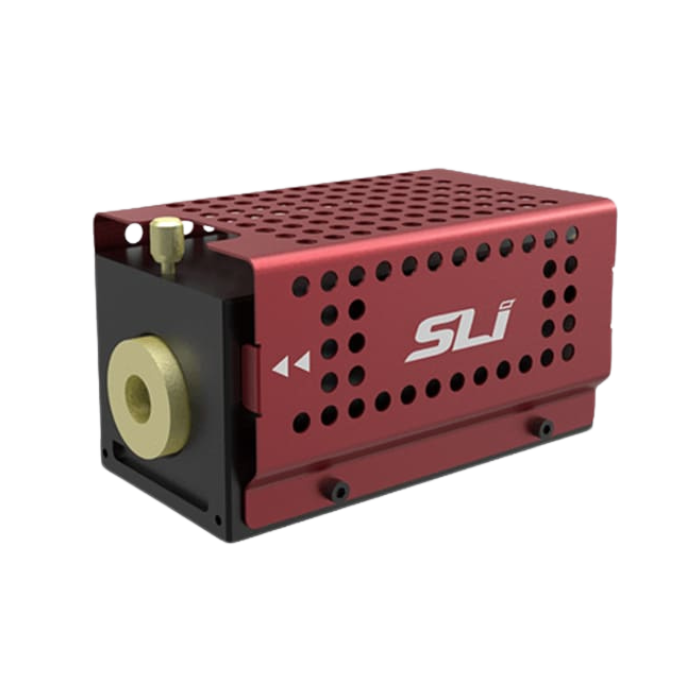
The Mighty Light (MT Light Source) is a multi-functional compact halogen incandescent light source that integrates halogen bulbs, power supply and control board to provide low-noise output.
The MT light source can be directly coupled to a microscope or integrated with a wavelength selector to obtain a tunable monochromatic beam for microscopy, spectroscopy, machine vision and spectral imaging applications.

FWS poly自動波長選擇器

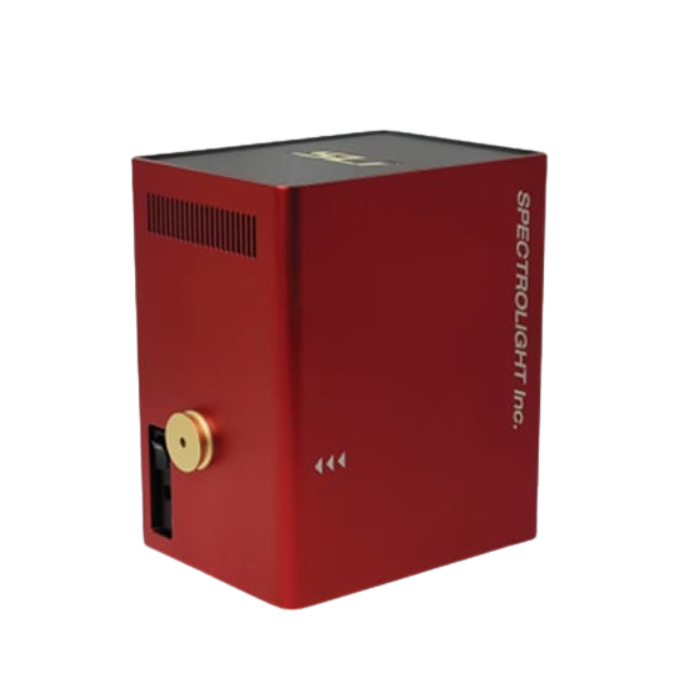
FWS poly automatic wavelength selector

Honghong's fully automatic wavelength tuning selector consists of a wideband bandpass filter that rotates independently to convert the broadband light source into a combination of light waves of a specified wavelength and bandwidth, and a compensation plate that corrects for spot shifts caused by the two rotating filters.
The technology supports 3-15nm bandwidth and UV to NIR (255-1650nm) wavelength range adjustment, all controlled by software, and realizes high-precision single-wave output.

SP Spectrometer

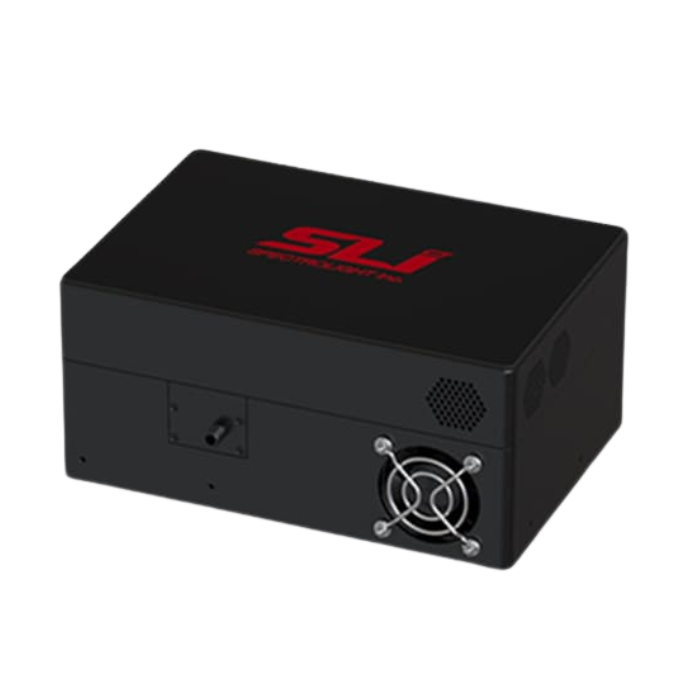
Honghong SP Spectrometer series is capable of detecting light in the range of 200-1050nm with UV-enhanced coating, which is particularly sensitive to UV wavelengths and offers high-speed data acquisition, low dark noise and low stray light, and flexible optical input methods (slit or fiber optic).
The series consists of four models with signal-to-noise ratios of up to 1000:1, making them suitable for a wide range of spectroscopic inspection needs.

Honghong will provide you with any support you need!

Our professional Honghong team will be the first to respond and provide you with the best service to solve all your problems.