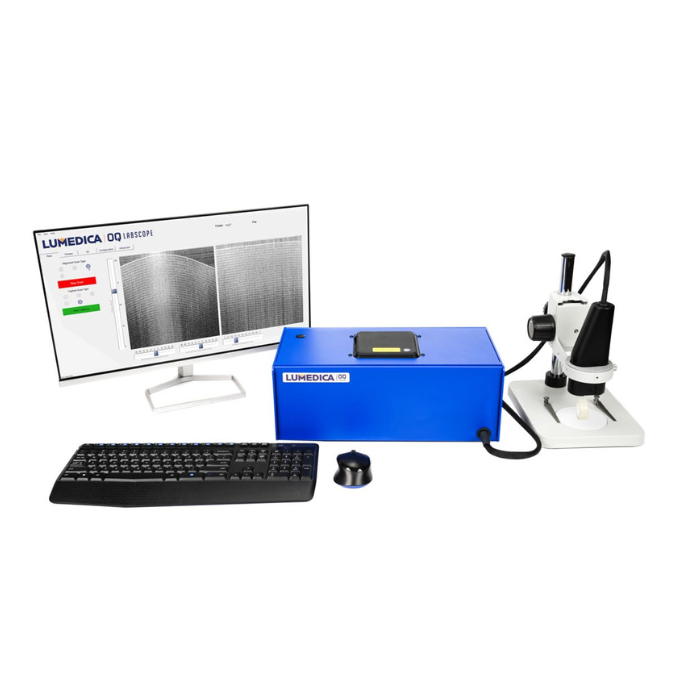
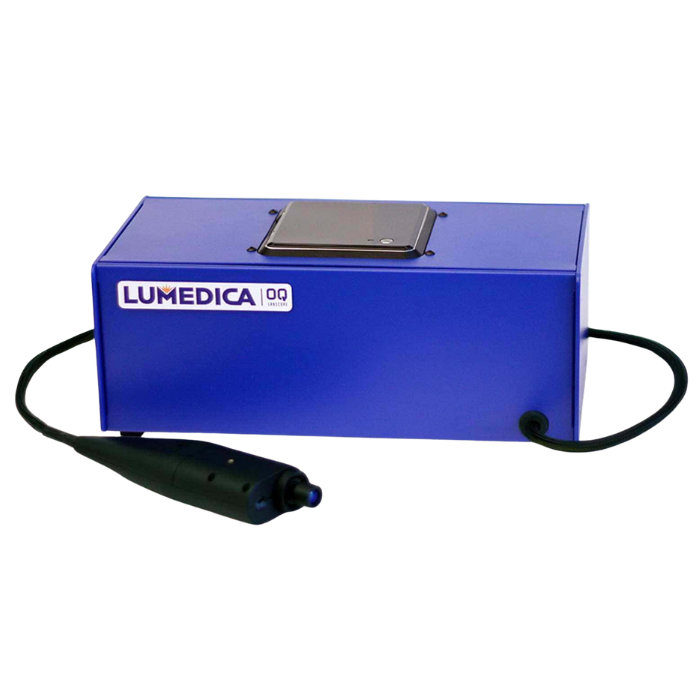
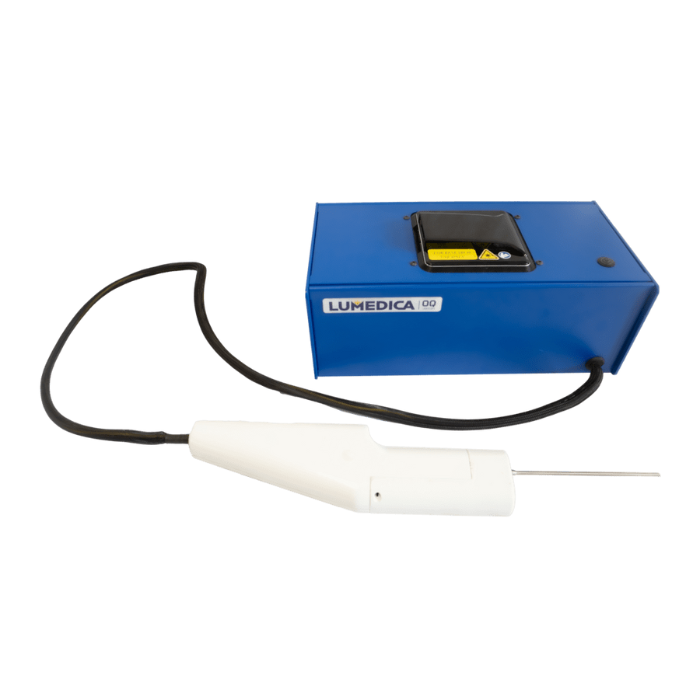
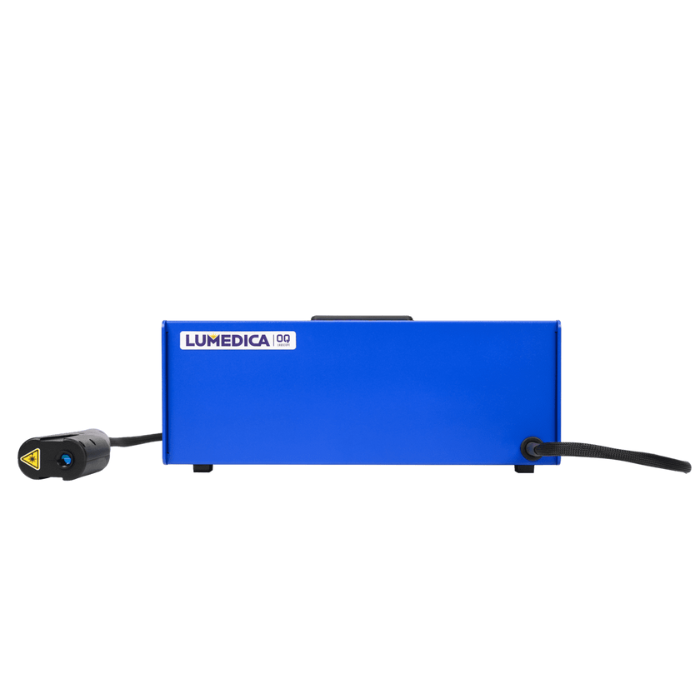
OQ LabScope 3.0 Series OCT Imaging System
Functional overview
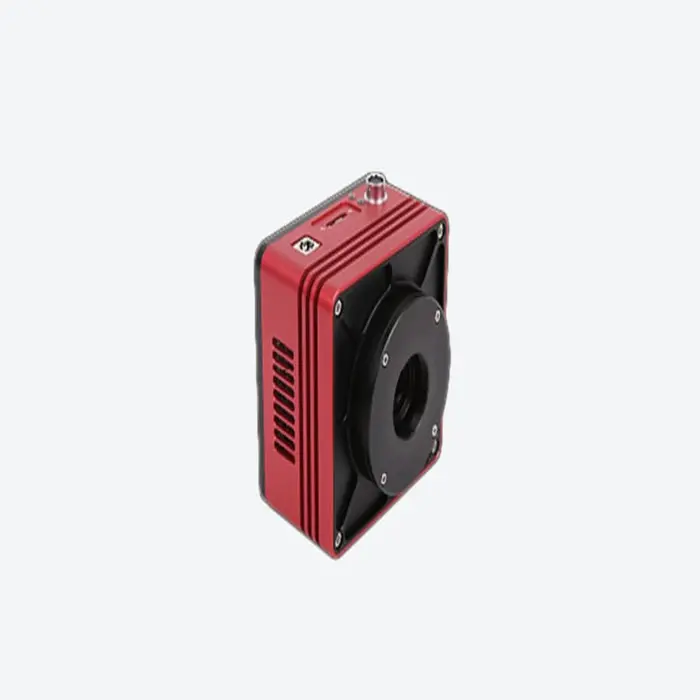
The OQ LabScope 3.0 series is a cost-effective OCT imaging system that utilizes an infrared broadband light source and optical coherent tomography to achieve micron resolution and millimeter penetration depth for tomography and 3D scanning. With the size of a shoebox, the system integrates a microcomputer and user-friendly software to support real-time scale analysis and automatic layer thickness measurement, which meets the needs of life sciences, industrial inspection and other multi-scenarios. Different models offer a wide range of imaging rates and resolutions to help researchers and engineers complete accurate measurements efficiently and achieve faster project development and product launch.
Description
Key Features
● Cost-effective, customizable setups: up to 80KHz A-scan rate and 2μm axial resolution to meet different project requirements (for the ultimate in depth imaging range, choose the OQStrataScope series).
● System flexibility and compactness: 3D printed housing, the entire system is installed in a blue metal plate housing, the size of a shoebox, integrated micro PC computer (19*33*15 cm³, 2.7KG)
● Powerful supporting software: The supporting software interface is user-friendly, intuitive, and easy to use, providing two measurement modes: real-time mouse scale analysis and automatic layer thickness tool, and integrating fast 3D scanning and rendering functions at the same time.
● Accessory package options: with endoscope, microscope, integrated viewing camera and other accessory packages.
● Customizable: workstation configuration - microscopic displacement stage, portable package configuration - handheld version, different light source wavelengths, scanning speeds
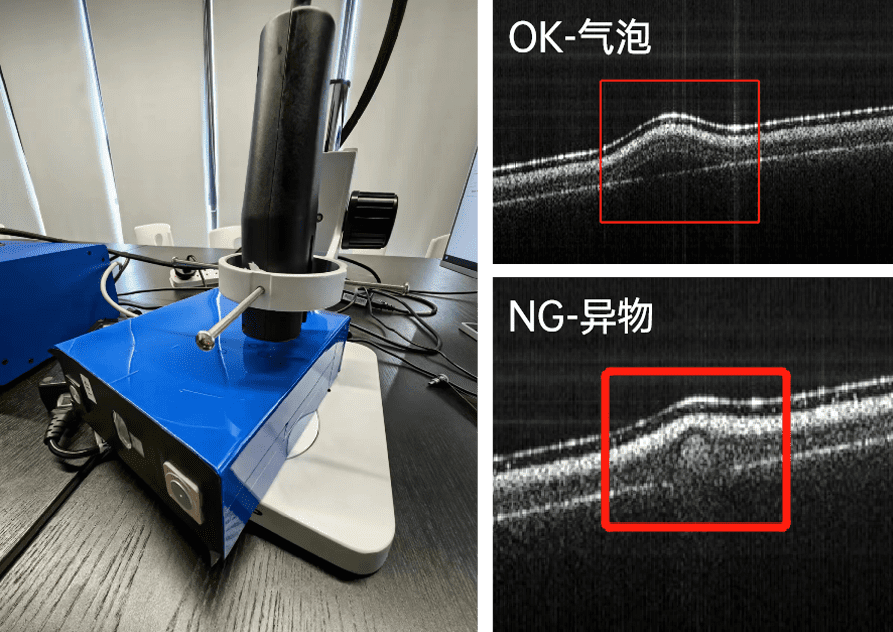
New energy lithium battery field
In the new energy industry, high-performance flexible pack battery electrode tape often has a multi-layer structure.
OCT has the ability to detect and recognize different layers of polymer material through penetration, reflecting the fit in real time.
Biotechnology and Life Sciences
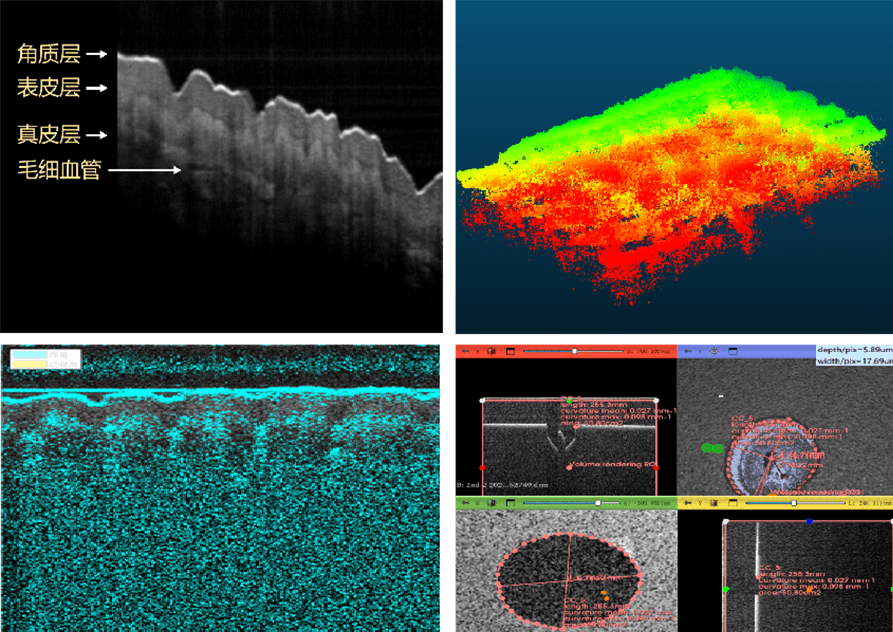
Most of the internal details of biological tissues can be clearly imaged by infrared light-based OCT.
Therefore, OCT products are commonly used for cornea, eyeball, retina, skin, teeth and other research.
Manufacturing
Due to the high accuracy of optical interferometry, OCT is often used to evaluate the quality of agricultural products,
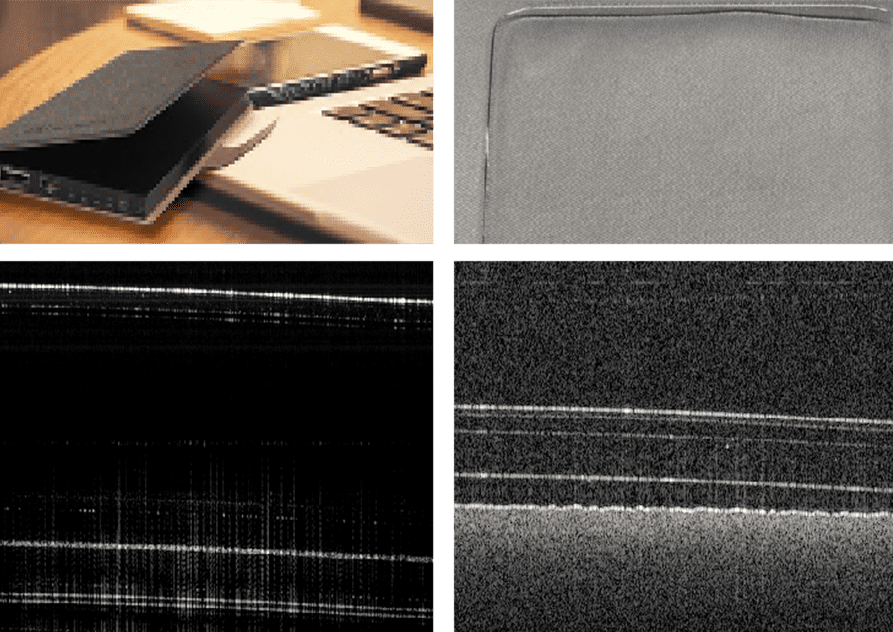
Measuring pill capsule characteristics, analyzing film coating thickness, and detecting cell phone folding screens,
Camera defects, fruit/drug detection, etc.
Integration Projects
Due to the compact and easy-to-integrate nature of the OCT optical path.
It can also be used for coaxial monitoring of laser processing and industrial/medical endoscopy.
Product Advantages
Fast Imaging Realization 3D Rendering
34kHz operation, B-scan rate up to 22 frames/sec.
Customizable Options
Microscope/Endoscope/Sample Station accessories available in customized combinations.
Compact and easy to integrate
The whole system is about the size of a shoebox.
Flexible Configuration
Includes horizontal/vertical/radial/circular/volume scanning modes
Layer Thickness Measurement
Millimeter penetration depth scanning with micron resolution
High price/performance ratio
Performance comparable to OCT systems that cost three times more
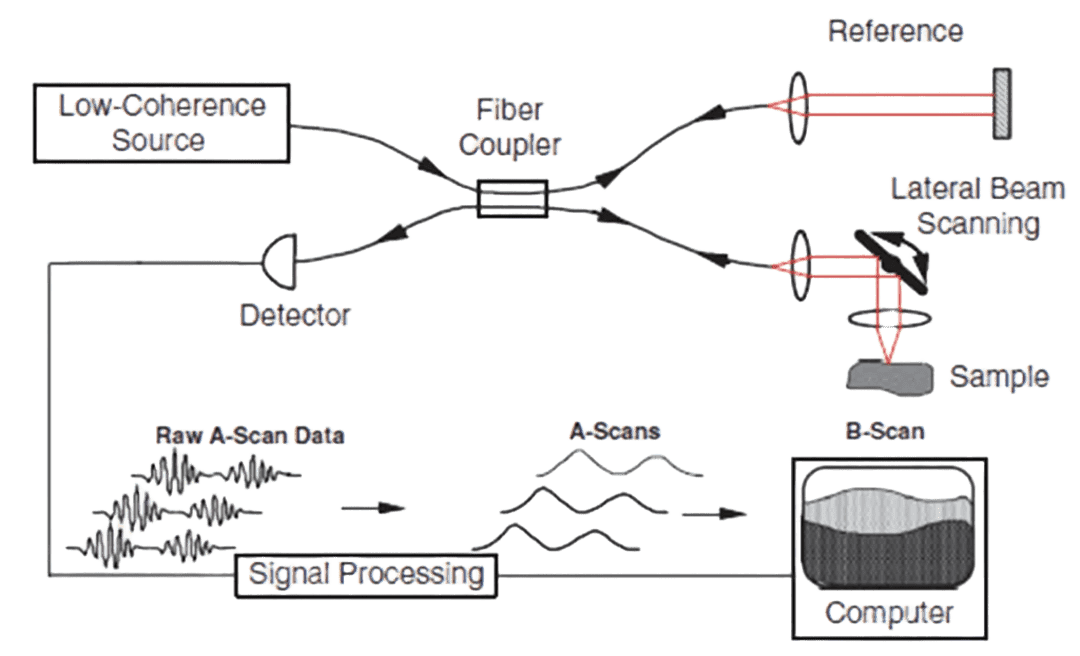
Imaging of sample layers by Spectral Domain Optical Coherence Tomography, or SD-OCT.
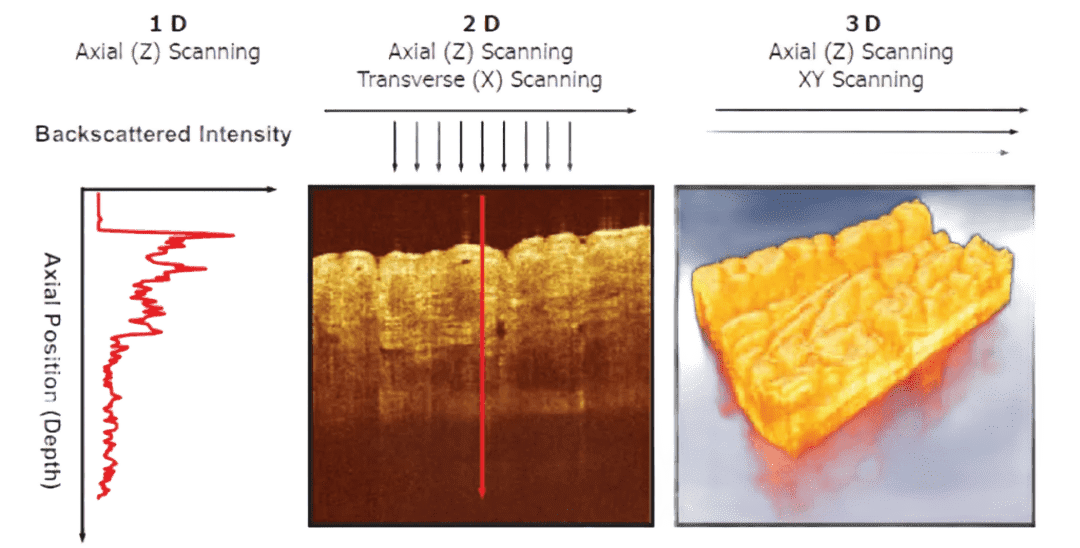
Since its introduction in the 1990s, optical coherence tomography (OCT) has become an important tool for noninvasive tomography in the field of biology. Through low-coherence interferometry, OCT can generate high-resolution two-dimensional cross-sectional images from optically scattered signals from microstructures inside tissues in a manner similar to ultrasonic pulse echoes, achieving micrometer-level vertical and lateral resolution, and even capturing reflected signals as small as ~10^-10 optical power.
OCT excels in the detection of internal details of transparent, translucent and turbid materials, and it can also scan the surface contours of impenetrable materials, demonstrating a unique advantage in identifying surface and internal defects. Based on this advanced technology, OQ LabScope 3.0 SD-OCT is a compact system that produces high-resolution images of up to 512×512 pixels with a depth resolution of 2 microns. Its excellent price/performance ratio makes it comparable to OCT systems costing three times more, providing an ideal solution for researchers with limited budgets and helping them realize breakthrough research results.
Diverse application scenarios
OCT technology has the advantages of non-contact, non-invasive, no damage/radiation, high imaging resolution, fast imaging speed, high sensitivity, good real-time performance, three-dimensional imaging, easy to combine with endoscopy technology, easy to operate and so on, the technology from the invention of nearly 30 years ago to date, has been from the biomedical field gradually expanded to the nondestructive testing of research, industrial production, as well as food and drug applications.
New Energy Battery Market:
Real-time inspection of the outer packaging layer of square shell batteries, automatically identify air bubbles and foreign object defects.
Medical Imaging & Analytics Market:
AI Image Processing of Human Skin Hierarchies and 3D Analysis of Skin Surface for Medical Simulation, etc.
Laser Processing Inspection Market:
Coaxial integration of OCT probes for quality monitoring of the laser process.
Consumer Electronics Manufacturing:
Quality inspection of consumer electronic components such as cell phone screens, displays, multi-layer transparent glass structures, etc.
Companion Software: Intuitive and Powerful Imaging and Analysis Tools
The companion software for the Honghong OCT Imaging System provides users with intuitive and powerful imaging and analysis tools designed to enhance the efficiency of your research and the quality of your results.
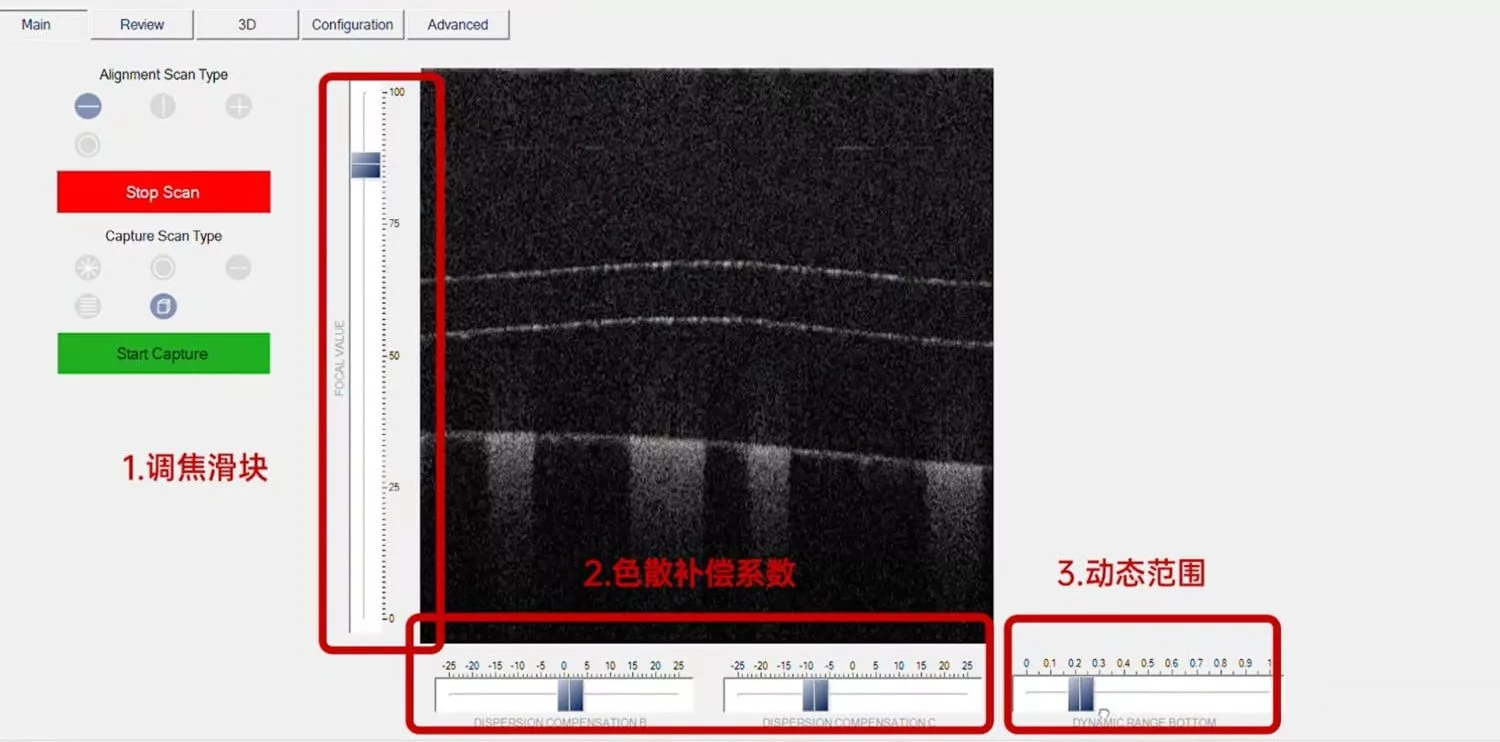
The software features an easy-to-use interface design that ensures high user-friendliness and is equipped with a variety of flexible scanning path modes, including landscape, portrait, cross and ring scanning, that users can freely choose from according to their needs.
Flexible scanning path mode:
Supporting horizontal, vertical, cross and ring scanning, users can adjust the focus, dynamic range and other parameters according to specific needs to obtain the best image quality.
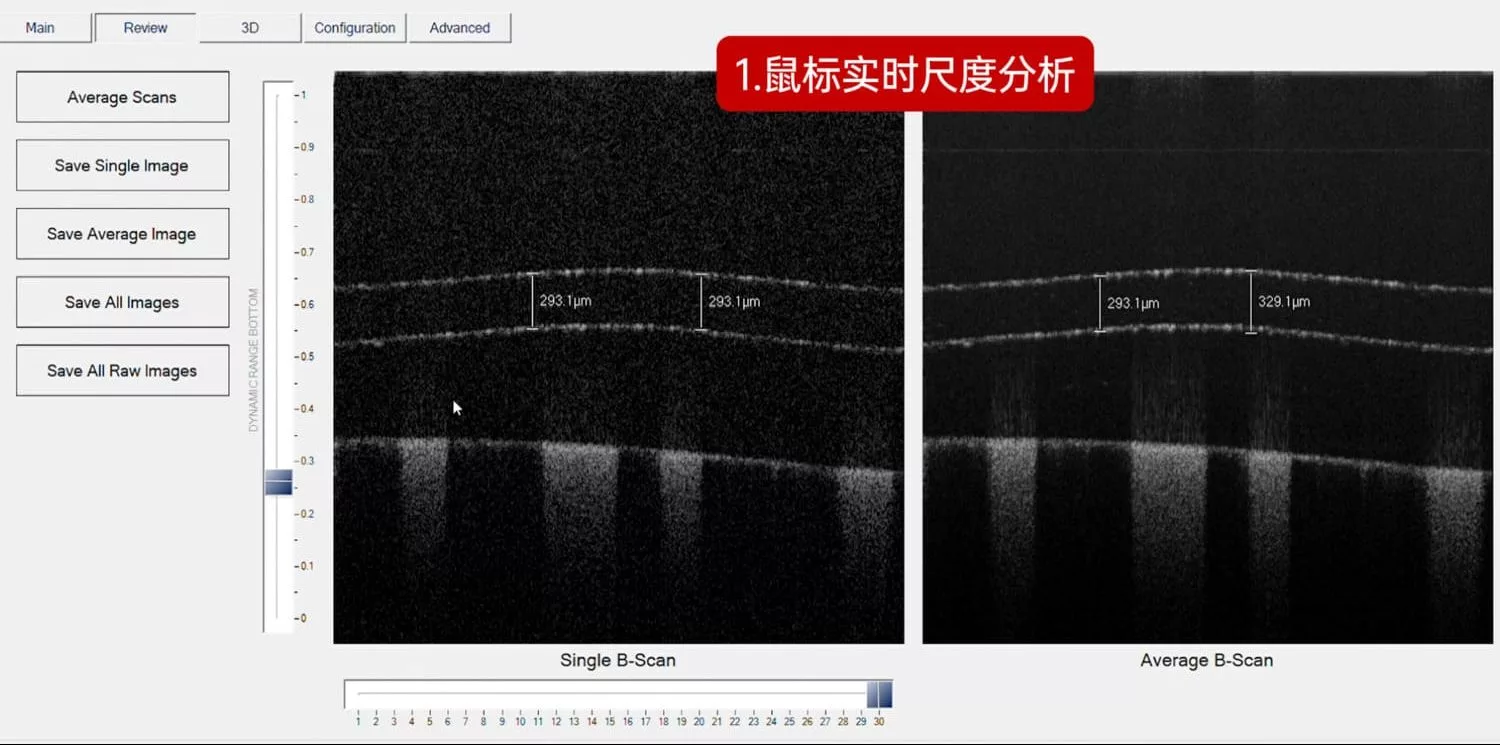
Immediate scale analysis:
With mouse operation, you can draw lines on the scanned image at any scale for precise detail measurements. This feature allows the user to quickly and accurately obtain the required data, greatly enhancing the flexibility of the analysis.
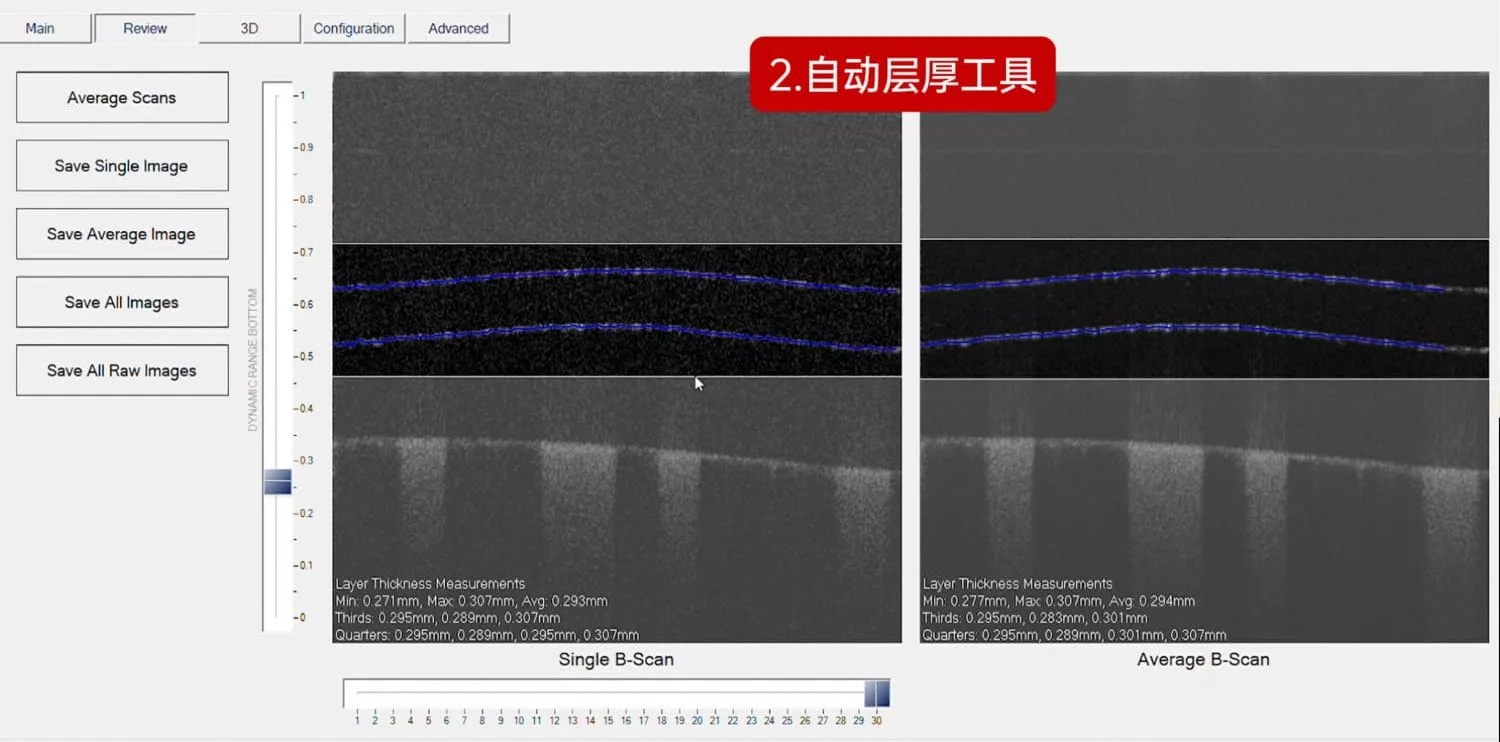
Automatic Layer Thickness Tool:
The software has a built-in automatic layer thickness analysis tool that automatically calculates the average thickness of a uniform cross-section and the thickness of segments, simplifying the complex thickness measurement process and providing users with accurate data support.
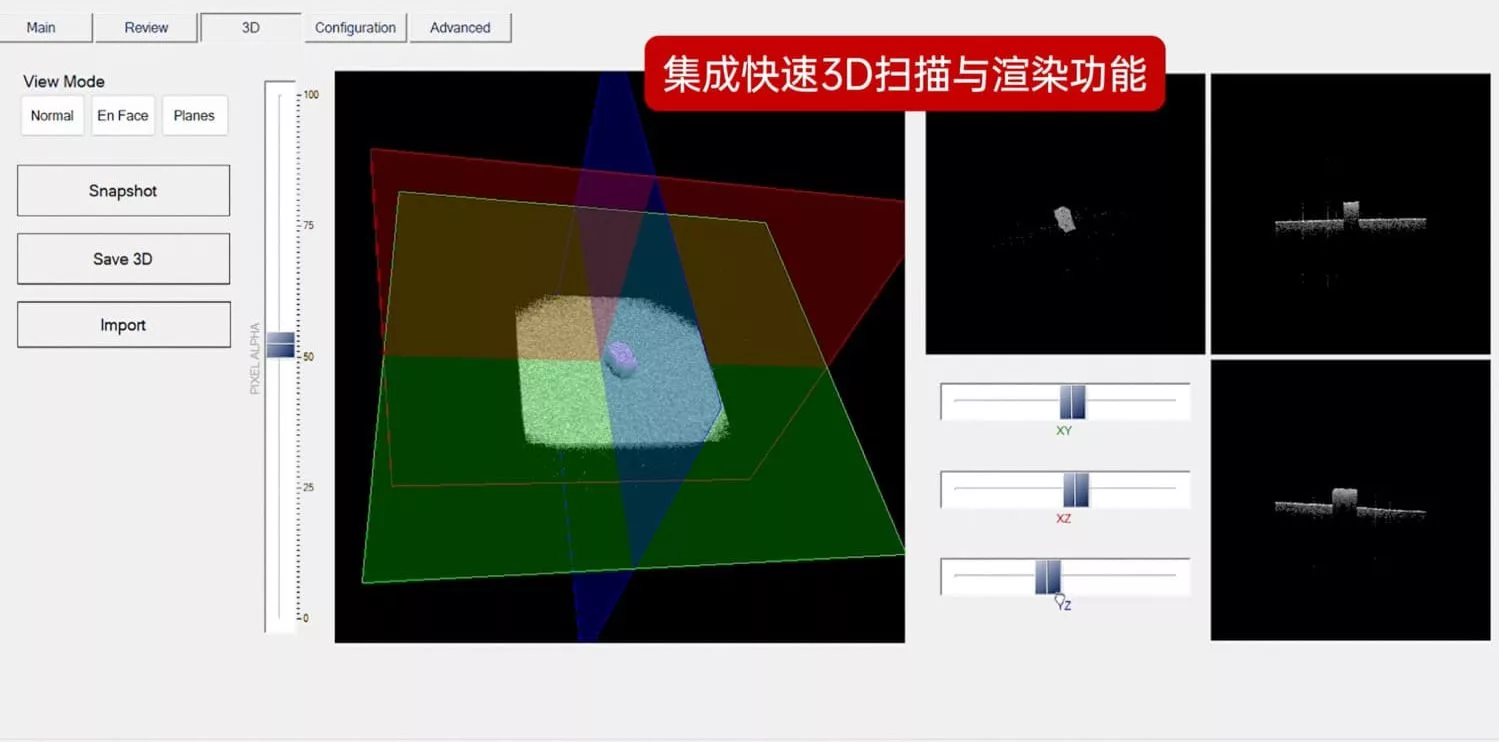
Fast 3D scanning and rendering:
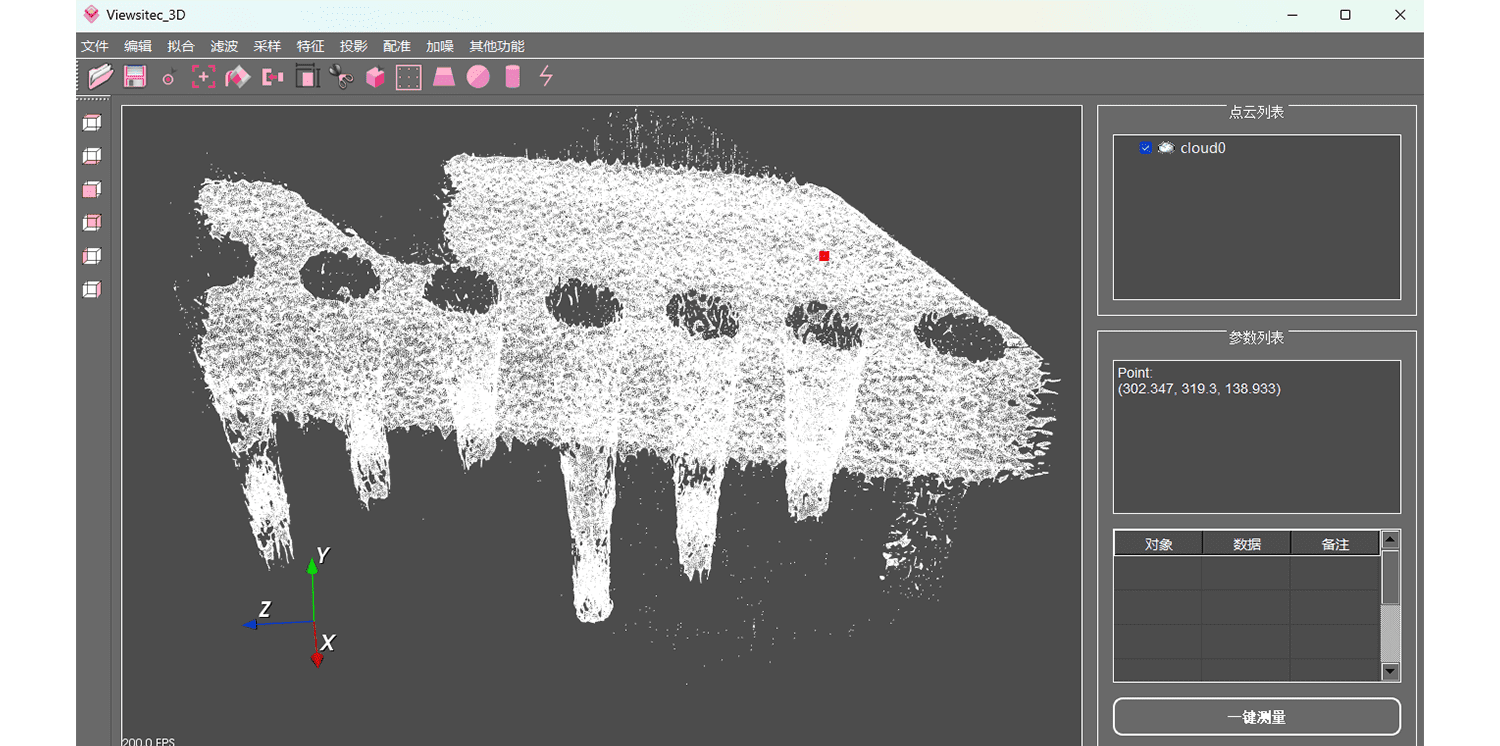
Integrating efficient 3D scanning and rendering features, users can specify the scanning density and complete 3D reconstruction of up to 512 images in about 10 seconds. The software also supports drag-and-drop vector surfaces, allowing users to analyze any section in a 3D model, providing depth and all-around perspective.
Row Selection Forms
| Model | 3.0 | X | R | XRD | SX | OQ StrataScope |
|---|---|---|---|---|---|---|
| performances | Base Model | higher speed | higher resolution | High speed + high resolution + deeper imaging | Ultra High Resolution + Higher Imaging Speed | Extreme depth imaging range in high scattering media |
| Center Wavelength | 840 nm | 840 nm | 860 nm | 860 nm | 890 nm | 1310 nm |
| Imaging Depth (Air/Organization) | 3.0 mm / 2.1 mm | 2.8 mm / 2.0 mm | 1.6 mm / 1.2 mm | 3.1 mm / 2.2 mm | 2.0 mm / 1.4 mm | 6.0 mm / 4.5 mm |
| Depth (axial) Resolution (in air/in tissue) | 8 / 6 μm | 8 / 6 μm | 5 / 3 μm | 5 / 3 μm | 3 / 2 μm | 14 / 10 μm |
| Horizontal Resolution | 18 μm | 18 μm | 18 μm | 18 μm | 18 μm | 20 μm |
| Line Scan Range | 7 mm | 7 mm | 7 mm | 7 mm | 7 mm | 8 mm |
| Scanning Scope | 5 x 5 mm² | 5 x 5 mm² | 5 x 5 mm² | 5 x 5 mm² | 5 x 5 mm² | 6 x 6 mm² |
| A-Scan | 34 kHz | 80 kHz | 34 kHz | 80 kHz | 80 kHz | 16 kHz |
| B-Scan frame rate | 22 fps | 50 fps | 22 fps | 50 fps | 50 fps | 11 fps |
Performance Upgrade Accessories
(1) 4× magnification objective: 5 mm line scan range, 3.5 mm x 3.5 mm body scan range
(2) 10× magnification objective: 2.5 mm line scan range, 1.8 mm x 1.8 mm body scan range
(3) 40× magnification objective: 1 mm line scan range, 0.7 mm×0.7 mm body scan range
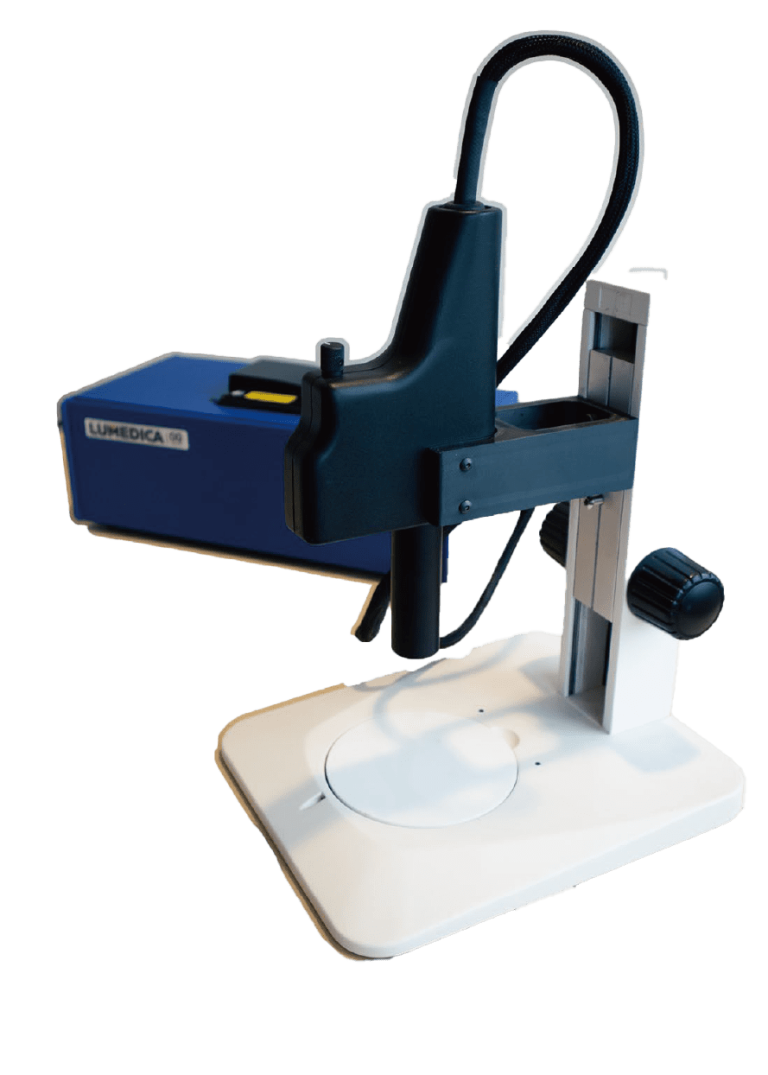
1.Microscope
Integration of a visible camera in the scanner for orientation and guidance
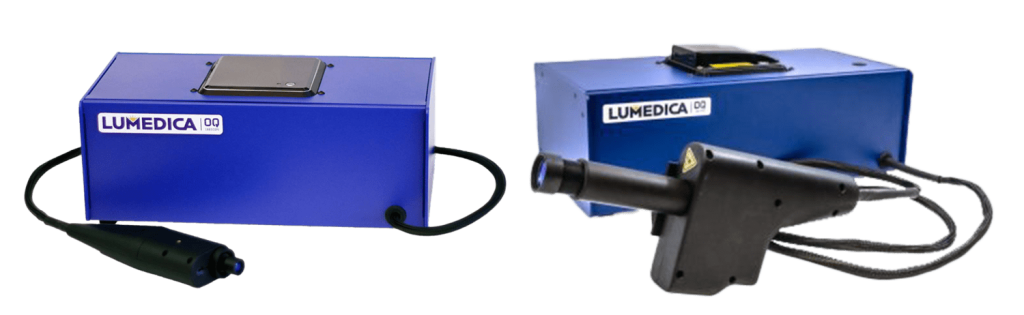
2. Standard Scanner & Scanner with integrated coaxial view camera
(1) Orthoscopic endoscope with a diameter of 4.2 mm and a field of view of 42 degrees.
(2) Side-viewing endoscope, 6 mm in diameter, with a scanning area of approximately 2 mm by 2 mm.
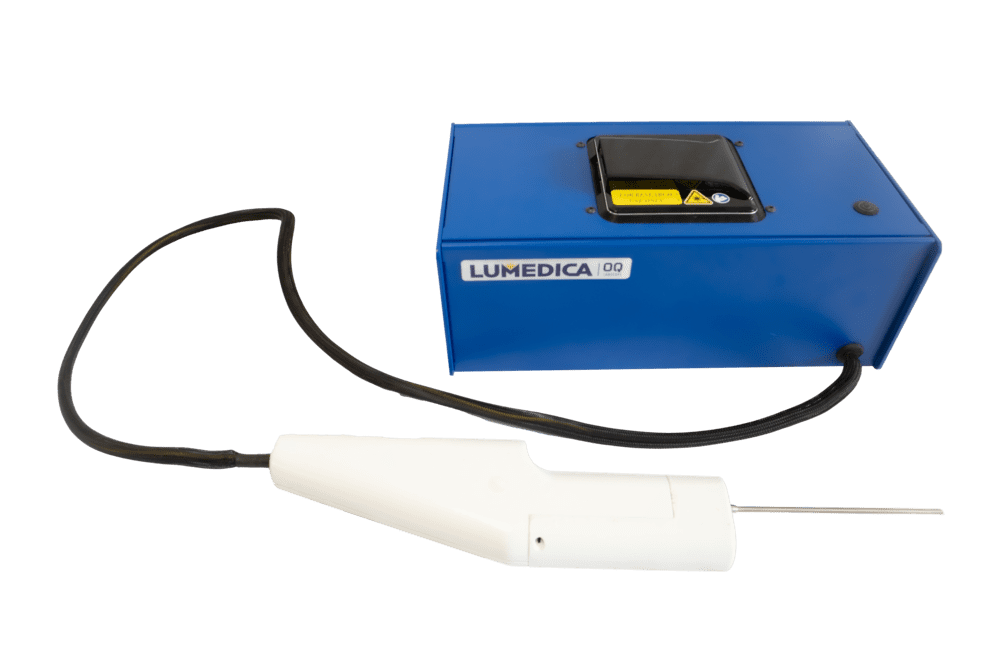
3.Customized Endoscope Scanning Heads
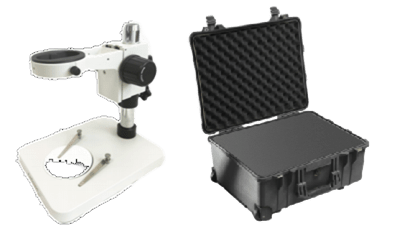
4.Sample table lifting and adjusting bracket, product safety box
Upgraded 15 mW high power
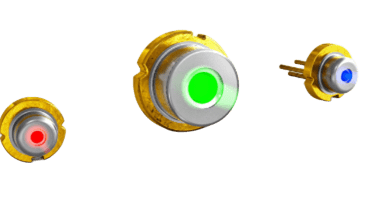
5.High luminosity light source

6.Optical Modules for Retinal Imaging
Reinforcement of swept cables with industrial-grade protective conduits
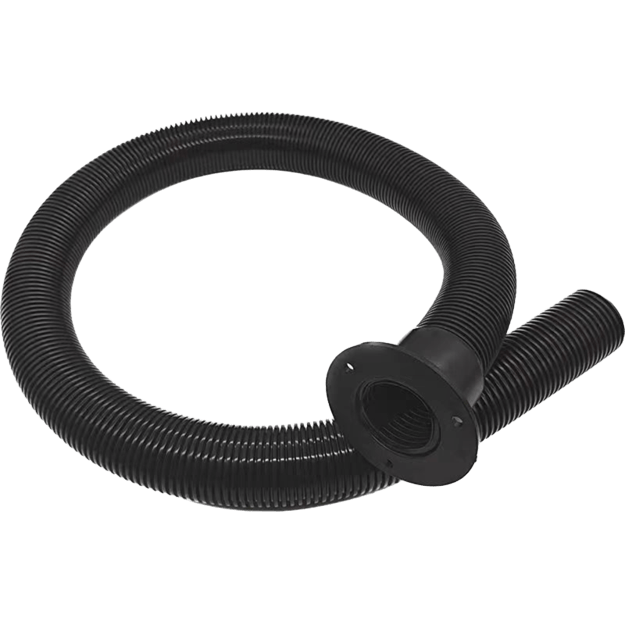
7.Industrial Grade Cables
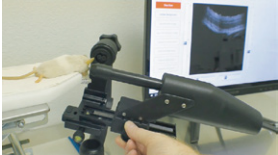
8.Small Animal Holder

9.C#Source Code
Honghong will provide you with any support you need!
Our professional Honghong team will be the first to respond and provide you with the best service to solve all your problems.