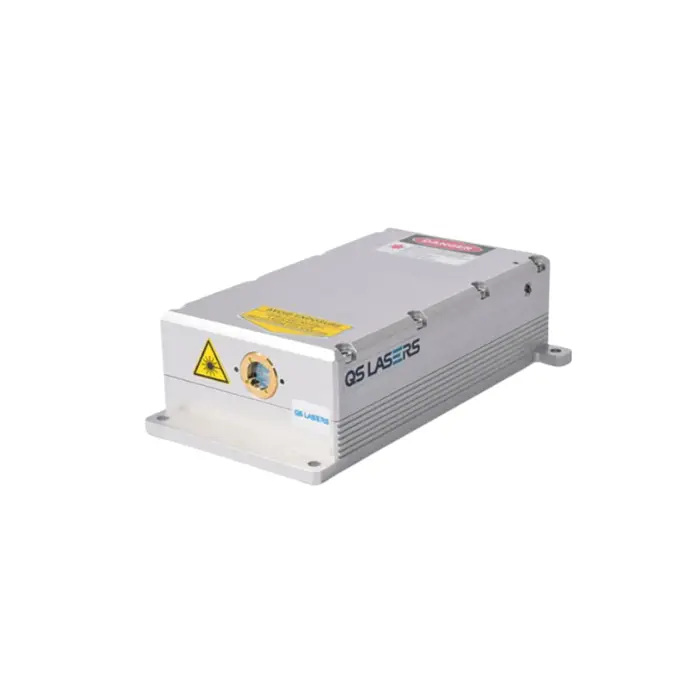
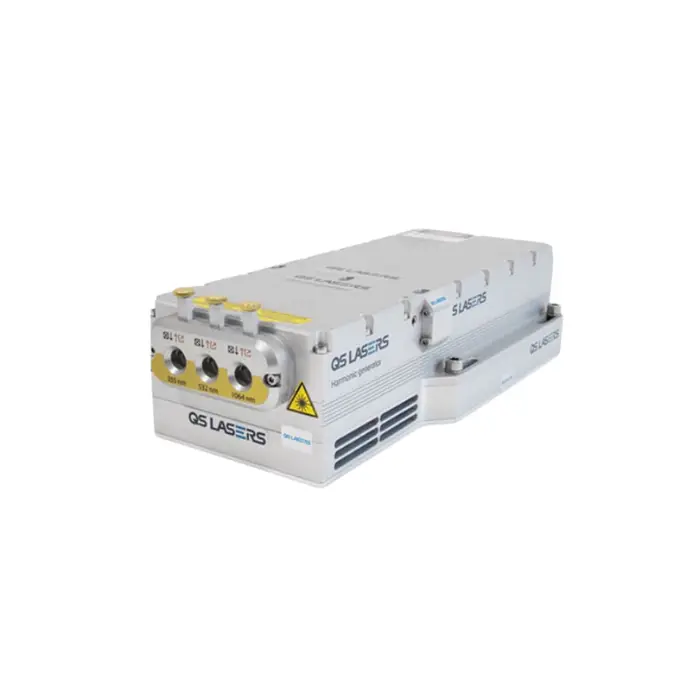
MPL2310 Series DSS Ultra-Compact Passive Q Sub-Picosecond Pulse Lasers

Delivering high peak power > 5 MW at 100 Hz repetition rate, the short laser cavity is fixed to a thermally stable and controllable base plate, resulting in extremely stable output parameter performance and a small footprint, making it ideal for OEM integration. Picosecond pulse duration < 350 ps, high pulse energy over 2 mJ and variable repetition rate from 1 Hz to 100 Hz.

Description

Product Description

The MPL2310 series DPSS passive Q sub-picosecond laser delivers high peak power > 5 MW at 100 Hz repetition frequency. the short laser cavity is fixed on a thermally stable and controllable base plate, which makes the output parameter performance extremely stable. The small footprint is ideal for OEM integration. Sub-picosecond pulse duration < 350 ps, high pulse energy over 2 mJ and variable repetition rate from 1 Hz to 100 Hz.

The MPL2310 series DPSS passively Q-modulated sub-picosecond lasers cover a wide range of applications such as contamination monitoring, DNA analysis, and ultra continuous spectrum generation. Due to the short pulse duration and high pulse energy, the laser can deliver up to 5 MW peak power. Multiple wavelength options are supported: green (532 nm) and UV (355 nm, 266 nm).

Advantages and Features

  • 2mJ pulse energy at 1064 nm
  • Short pulse duration<350 ps
  • 1 ~ 100 HzThe repetition frequency of
  • Ultra-compact, passive tuningQ
  • Average power: 200 mW
  • Peak power:5 MW
  • Guarantee >3 Gshot Life
  • Other Wavelength Customization(532 nm, 355 nm, 266 nm)
優勢與特點

Applications

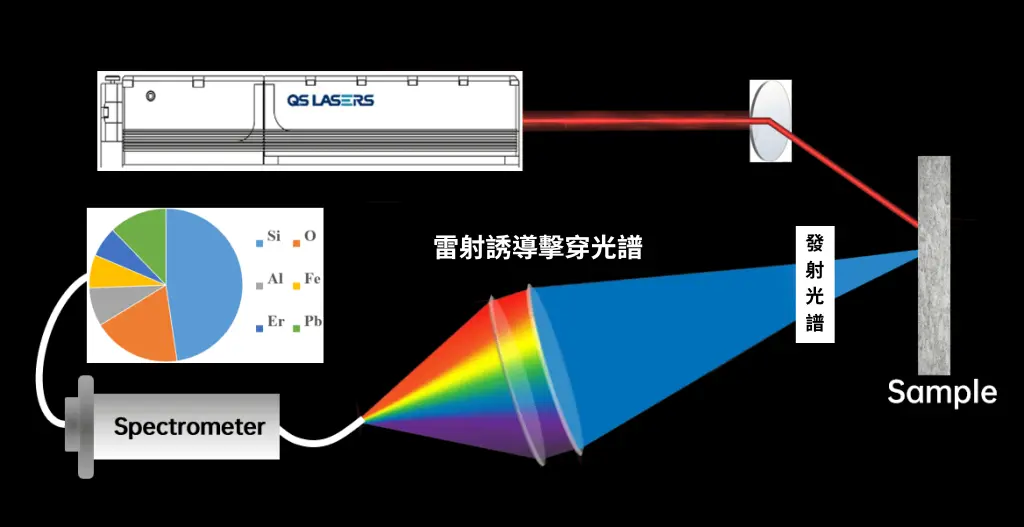
Laser Induced Breakdown Spectroscopy (LIBS)

LIBS:Using laser pulse to penetrate the sample material and generate plasma.This is a technique for determining the chemical elemental composition of a sample by analyzing the spectral information in plasma.

The LIBS Advantage:

  • No sample preparation required
  • Non-Contact
  • Multi-element analysis
  • immediacy
激光誘導擊穿光譜

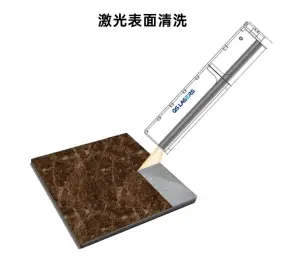
Laser Surface Cleaning

Realization of laser surface cleaning:

The heat generated by the laser beam loosens, breaks up, evaporates or strips away contaminants.

Advantage:

  • Non-Contact
  • highly accurate
  • high efficiency
  • controllability
  • Environmentally Friendly

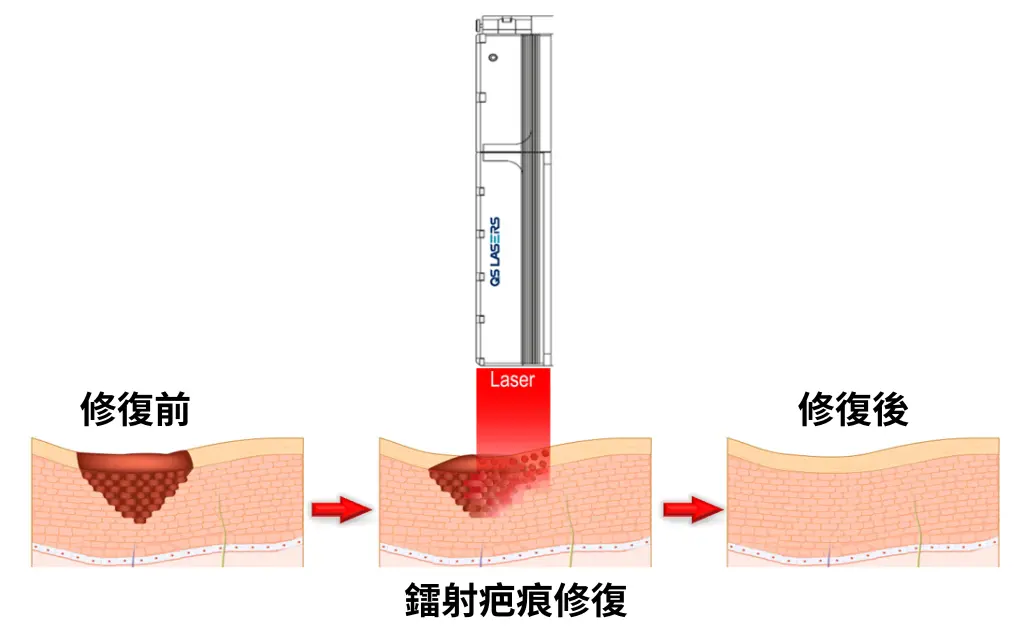
Laser Scar Revision

Repair method:

  • Photothermal effect: Laser light breaks down scar tissue and promotes new collagen production.
  • Photochemical effects: changes in chemical structure and pigmentation
  • Stimulates cell growth: stimulates cell growth and regeneration in the skin

Why Laser Scar Revision?

  • non-invasive
  • Accuracy
  • Adjustability
疤痕修復
時間分辨

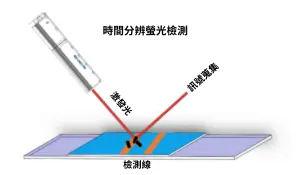
Time-Resolved Fluorescence Detection

Time-Resolved Fluorescence Detection: To study the fluorescence properties of molecules, compounds or samples and to measure the characteristics of fluorescence emission in a time-resolved manner, the MNL1342 provides short pulse duration, high pulse energy and high repetition frequency for laser scar revision.

Excitation - Emission - Time Measurement

Advantage:

  • high resolution
  • Fluorescent Life Measurement
  • high sensitivity
  • optical resolution
  • No marking required

Other Applications

  • DNA analysis
  • Pollution Monitoring
  • remoteness
  • Hypercontinuous Spectrum Generation
  • Mixed Gas Ignition
其他應用

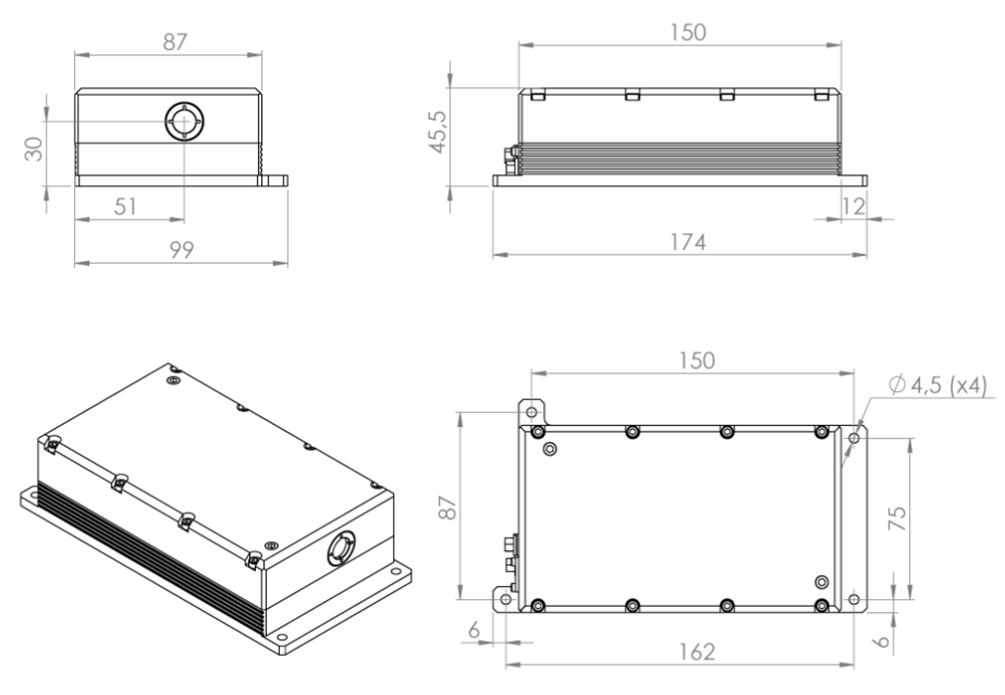
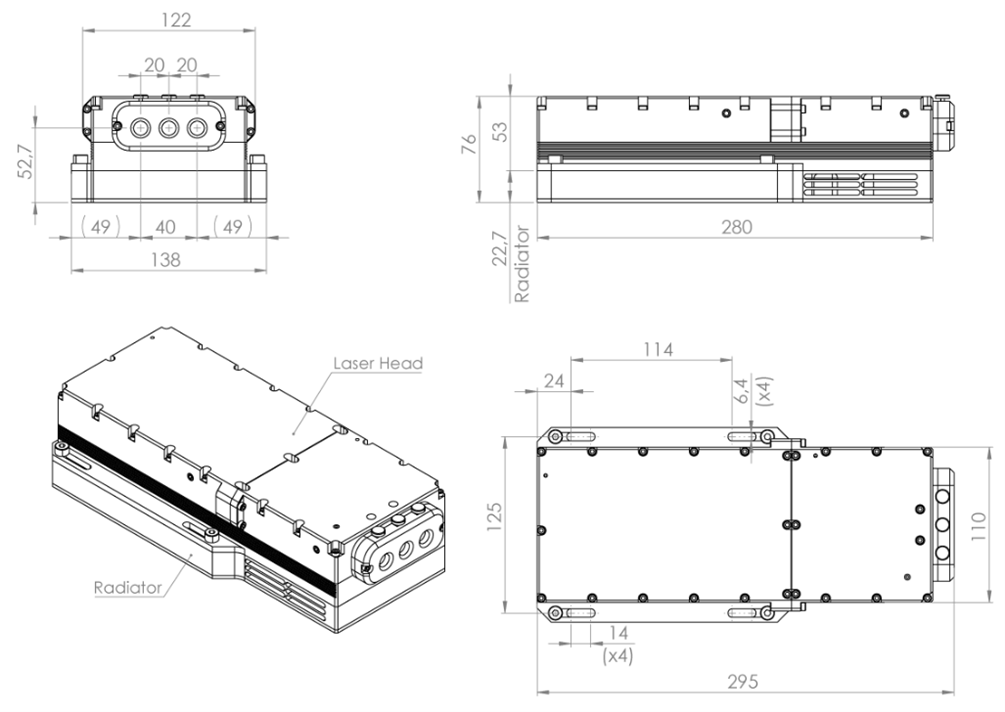
Size

1. All specification parameters are subject to change due to continuous optimization. All parameters are measured at 1064 wavelengths unless otherwise specified.

2. FWHM measured at 1064 wavelengths. Other pulse widths available

3. Average measurement interval 60s

4. 8 hours of testing, the longest warm-up 5 minutes, the external temperature change is less than ± 2 ℃.

5. The factory default setting is maximum repetition rate.

6. Full angle measurement at 1/e² position

7. RMS value measured at 1000 frames per second for 5 sequences of photography

8. Velocity of light measured at 1/e² in diameter, 20 cm from the laser output.

9. Finger modulation Q triggers a rising pulse.

10. The laser can be adapted to a 12 VDC power supply.