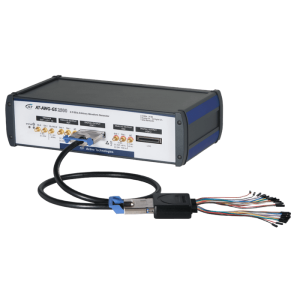
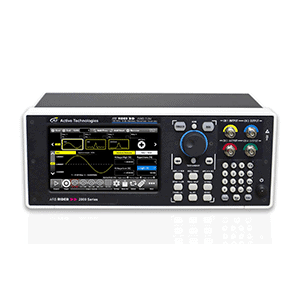
Arbitrary Wave Generator AWG-2000
AWG 2182 / AWG2184
- 600 MS/s (1.2 GS/s 2x interleaved), 16-bit vertical resolution
- Minimum edge time as low as 2.2 ns
- Maximum dynamic range up to 12Vpp (50 ohms) (24V when on)
- Up to 256 Mpts per channel
- Up to 8 digital channels synchronized with analog channels
- SW User Interface: Simple Rider for AFG mode and Simple True Arb for AWG mode.
| mould | Simulation Channel | Digital Channels | Sampling Rate | Record Length | vertical resolution | Maximum Frequency | Maximum Output Voltage | Output Voltage Window |
|---|---|---|---|---|---|---|---|---|
| AWG2182 | 2 | 8 (optional) | 600 Ms/s-1.2 Gs/s (interleaved) | 2 to 256 Mpts | 16-bit | 180 MHz | 6Vpp-12Vpp (optional) | 6Vpp-12Vpp (optional) |
| AWG2184 | 4 | 8 (optional) | 600 Ms/s-1.2 Gs/s (interleaved) | 2 to 256 Mpts | 16-bit | 180 MHz | 6Vpp-12Vpp (optional) | 6Vpp-12Vpp (optional) |
Description
Arb Rider AWG-2000 Arbitrary Waveform Generator
The most affordable 16-bit arbitrary waveform generator available.
The ARB Rider AWG-2000 is an economical and powerful 2 or 4 channel AFG (Arbitrary Function Generator) and 2 or 4 channel AWG (Arbitrary Waveform Generator) with sequencing.
AWG-2000 has180MHzBandwidth up toOutput of 12VppScope and height256 MsampleStorage depth makes it the ideal arbitrary waveform generator for automotive, IoT and medical applications.
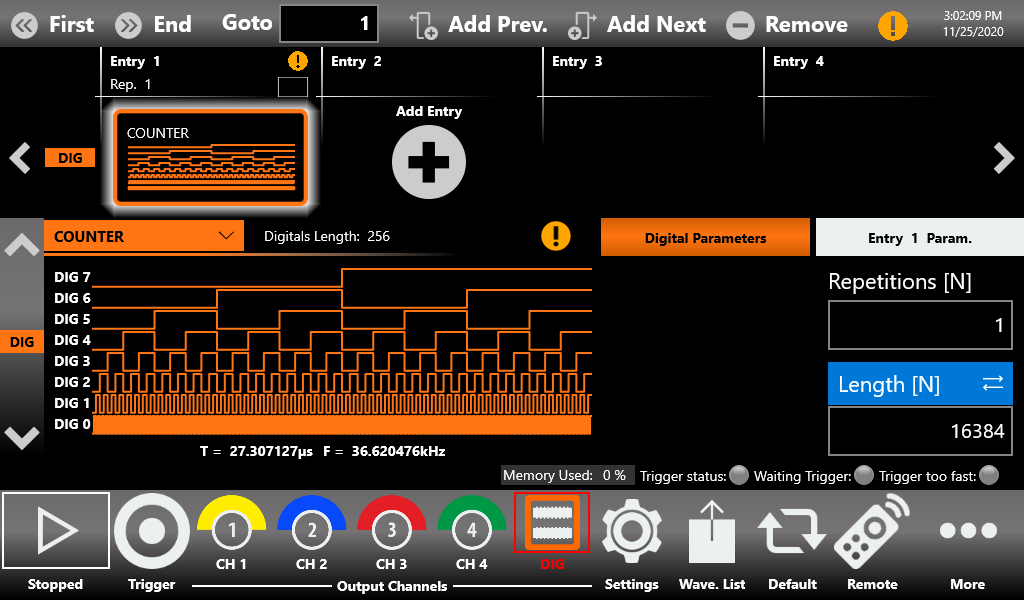
The 8-channel digital option combined with 2 or 4 analog channels makes the AWG-2000 a full-featured mixed-signal generator. It is now possible to generate 2 o 4 analog signals (LVTTL or LVDS standard) that are fully synchronized with the 8 digital lines.
| mould | Simulation Channel | Digital Channels | Sampling Rate | Record Length | vertical resolution | Maximum Frequency | Maximum Output Voltage | Output Voltage Window |
|---|---|---|---|---|---|---|---|---|
| AWG2182 | 2 | 8 (optional) | 600 Ms/s-1.2 Gs/s (interleaved) | 2 to 256 Mpts | 16-bit | 180 MHz | 6Vpp-12Vpp (optional) | 6Vpp-12Vpp (optional) |
| AWG2184 | 4 | 8 (optional) | 600 Ms/s-1.2 Gs/s (interleaved) | 2 to 256 Mpts | 16-bit | 180 MHz | 6Vpp-12Vpp (optional) | 6Vpp-12Vpp (optional) |
3-in-1 Instrument
The AWG-2000 series instruments are multi-function signal generators that combine three functions in one instrument, including a function generator, an arbitrary waveform generator, and a digital pattern generator.
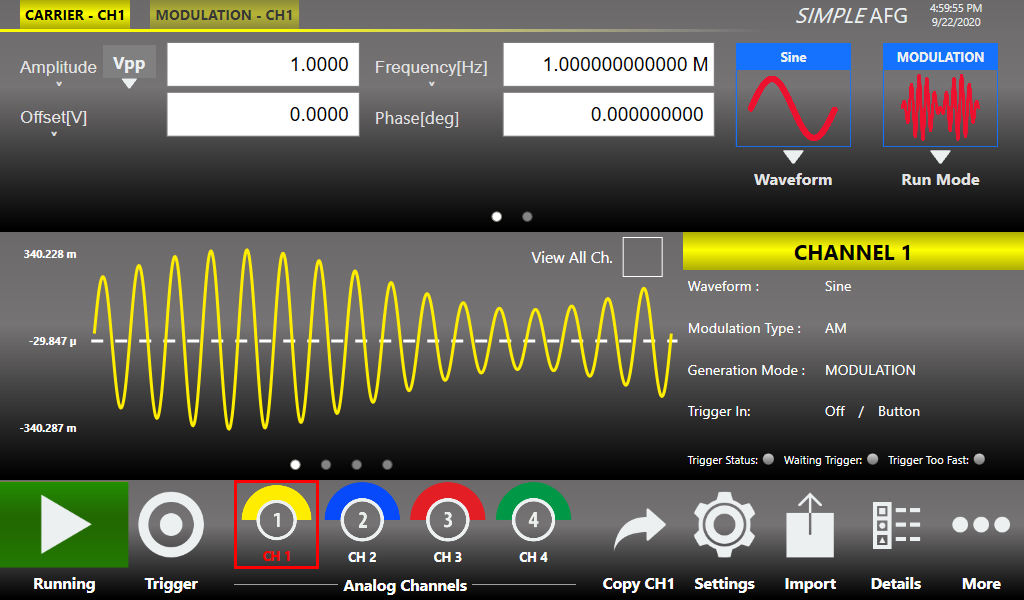
These three different functions extend the capabilities of the hardware by employing two different technologies: improved DDS in AFG mode and variable clock, True Arbitrary technology in AWG mode. the AFG mode allows the user to change all parameters that preserve the shape of the waveform in real time and create/generate waveforms at a glance.
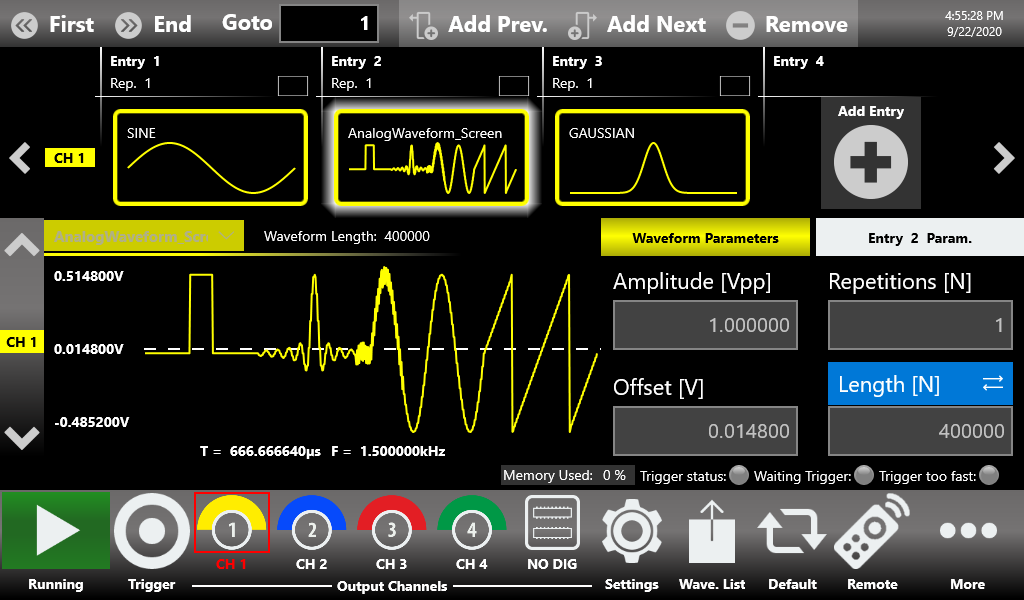
AWG mode allows users to create complex waveform schemes in analog and numeric modes, insert them into sequences, apply loops, jumps and conditional branches.
emphasize that
- Up to 256 Mpoints of waveform storage per channel
- 16384 sequencer entry
- Full synchronization of analog and digital signals
- High price-per-channel ratio
- Extremely easy to use and versatile

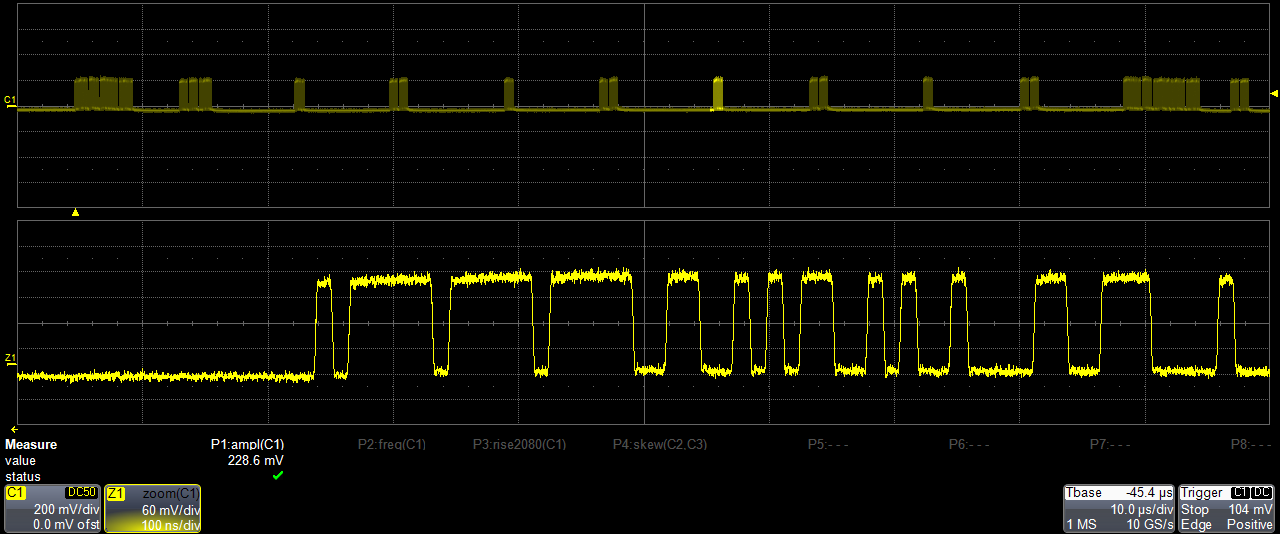
Automotive
Today's automobiles include many highly complex electronic control units (ECUs) with very sensitive electronic components. 16-bit vertical resolution combined with a fast sampling rate of 600 MS/s real-time (1.2 GS/s 2x interpolated) and an output amplitude range of 12 Vpp make the AWG-2000 series instruments indispensable for successfully and efficiently meeting new testing challenges in the automobile. in automobiles.
emphasize that
- CAN, CAN-FD, LIN, Flexray, SENT Simulation and Troubleshooting
- 100BASE-T1, 1000BASE-T1, BroadR-Reach emulation and resistance to interference signals and noise
- EMI debugging, troubleshooting and testing
- Electrical standard emulation up to 24 V
- Power MOSFET Circuit Optimization and Characterization in Automotive Electronics
Internet of Things, Industry 4.0 and RF Modulators
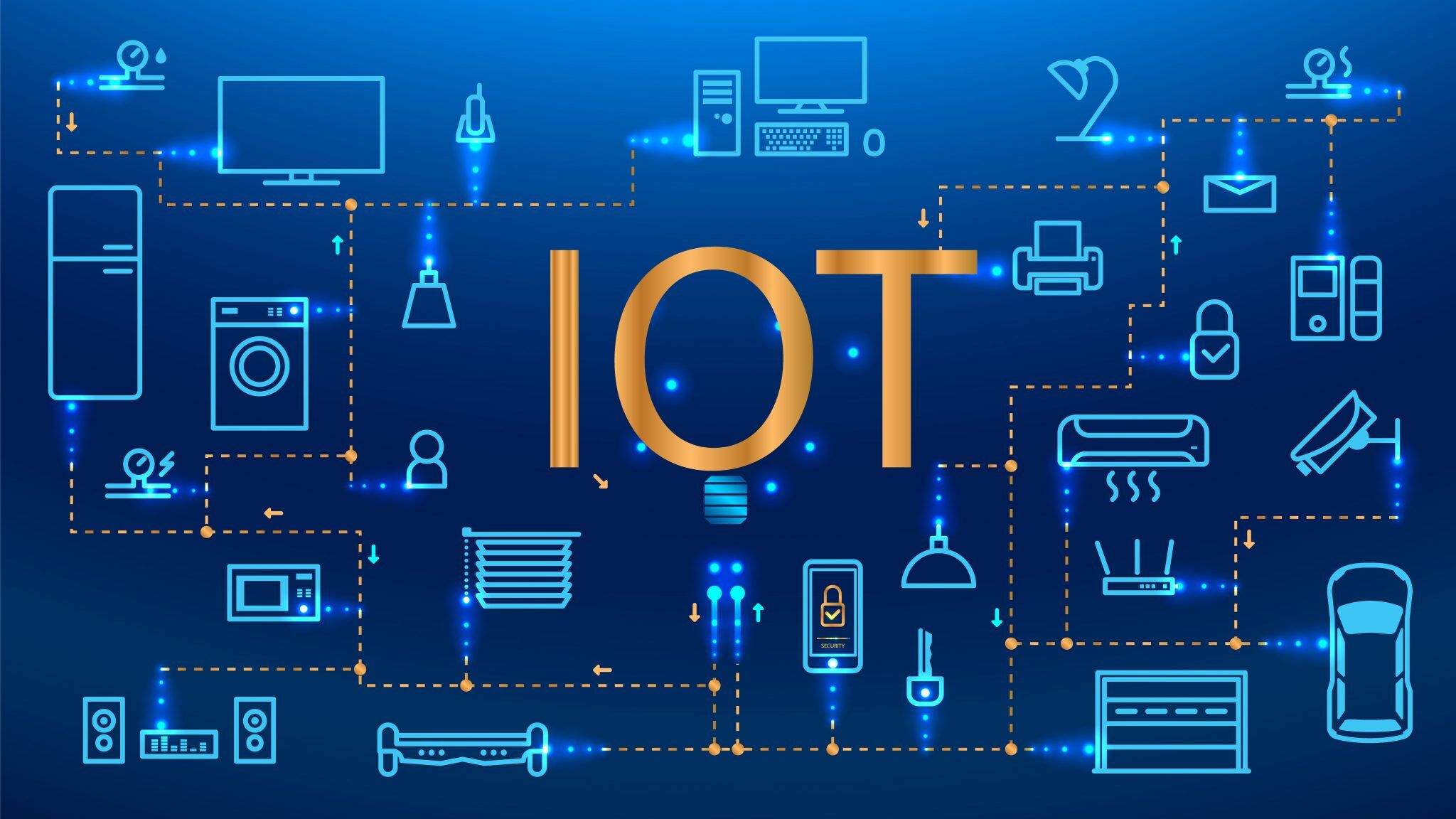
Arb and Function Knight will be the signature tools of this application. Complex RF I/Q modulations can be simulated for comparison with wireless devices for simulation and testing, or for working on the Internet of Things for Industry 4.0 applications. Each engineer can use the possibility of importing waveforms to simulate the device under test, applying distortion (e.g. noise) to the waveforms to test the ability of the device to comply with standards.
emphasize that
- Sensor Signal Generation: Simulate an ideal signal or generate a realistic signal after acquisition using a high-definition oscilloscope.
- Integrated attenuator for low amplitude signal generation
- MOSFET gate drive amplitude signal simulation for MOSFET characterization and optimization
- Use the low impedance function (0Ω output impedance) to power up the IC sequence.


Very low amplitude signal generation
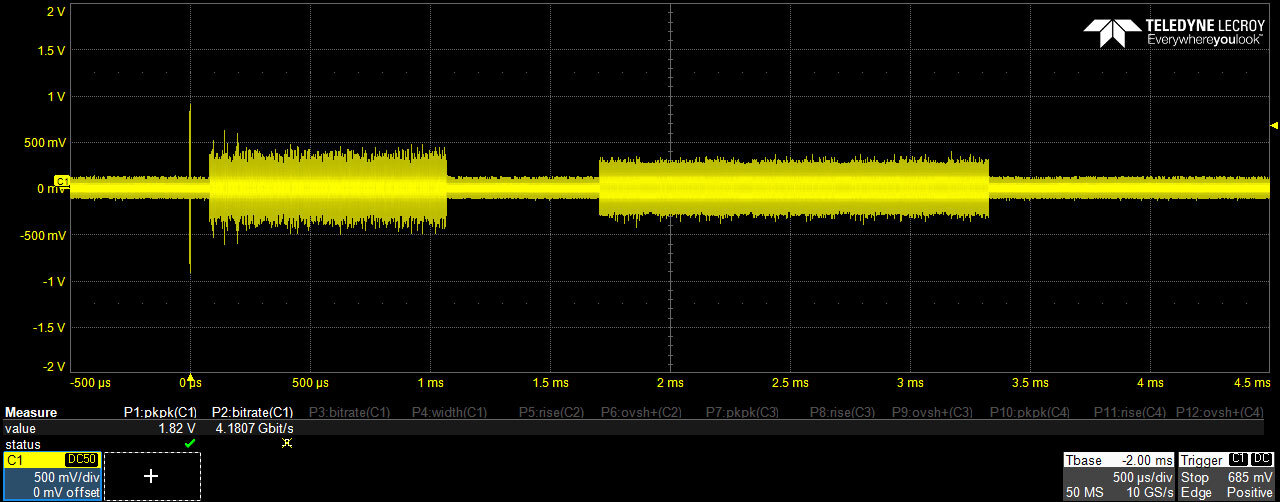
Active Technologies AWG-2000 series instruments are equipped with an internal 10x attenuator that allows the user to generate very low amplitude signals without sacrificing DAC resolution.
Real-world heart signals are typically very low in amplitude - often a few millivolts or less. The Active Technologies AWG-2000 Series overcomes this generation of challenges with a built-in internal 10x attenuator and the use of an analog output stage capable of delivering extremely high signal fidelity.
emphasize that
- 10x internal attenuator
- Real Signal Generation: Cardiac, EEG
- Low amplitude signal with 16-bit vertical resolution
Semiconductors and Research Applications
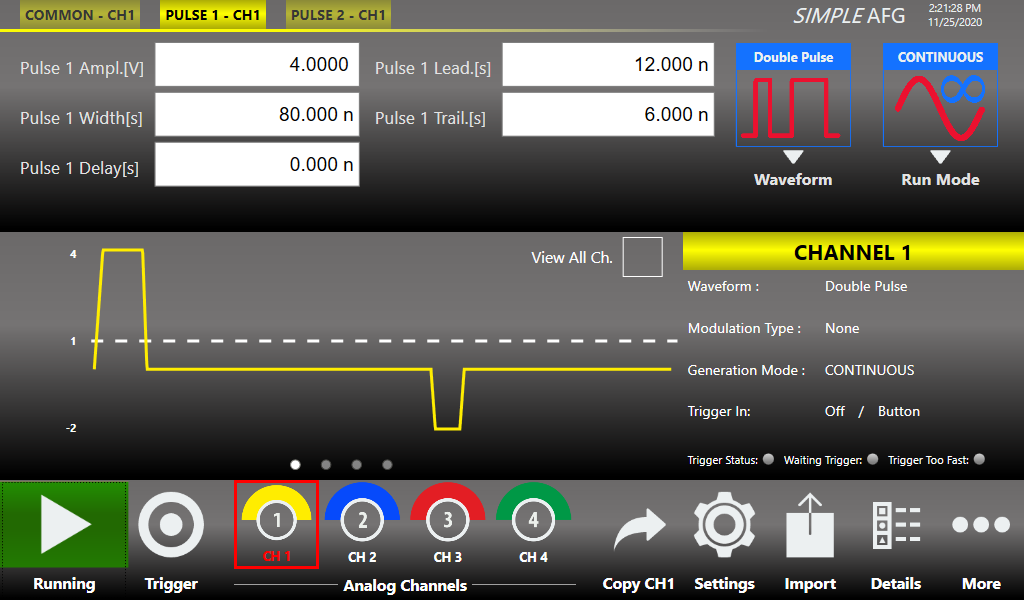
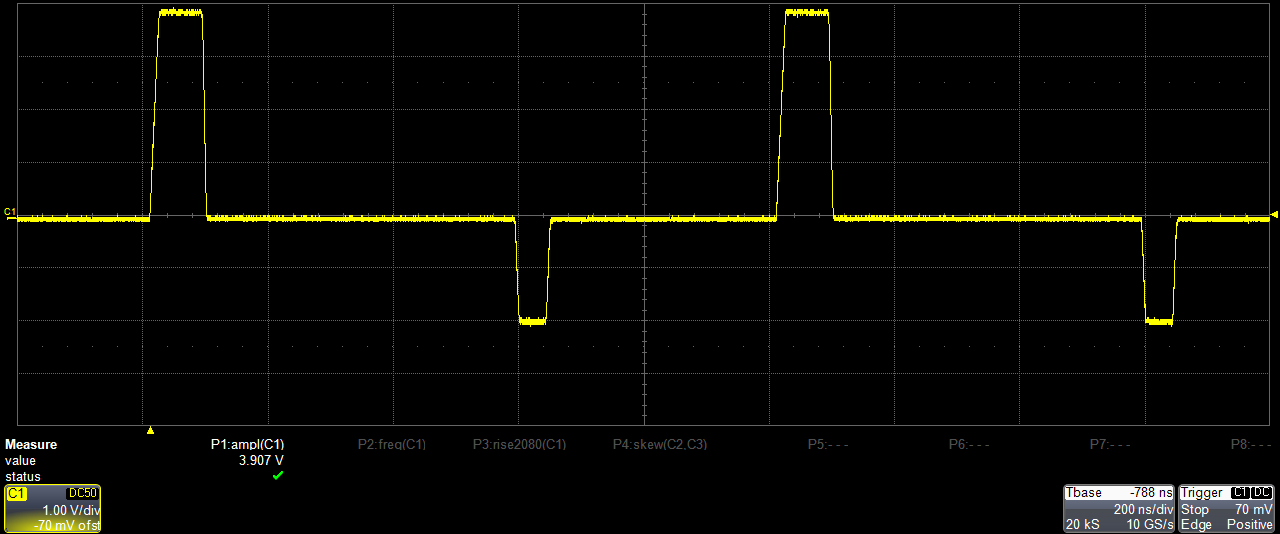
The AWG-2000 Series AFG user interface includes a dual pulse function, which is required to test the dynamic behavior of power devices such as MOSFETs and IGBTs. Each of the two pulses can have different amplitudes, rise times, fall times and widths.
Researchers and scientists need to simulate pulses in an accurate, detailed, and repeatable controlled manner to increase the imperfections of amplitude and timing variations: With up to 256 Mpoint of waveform storage per channel, you can easily acquire the actual signals from the oscilloscope and use the oscilloscope to play back the AWG-2000 Arbitrary Waveform Generator.
emphasize that
- Dual-pulse mode
- Oscilloscope Record and Playback
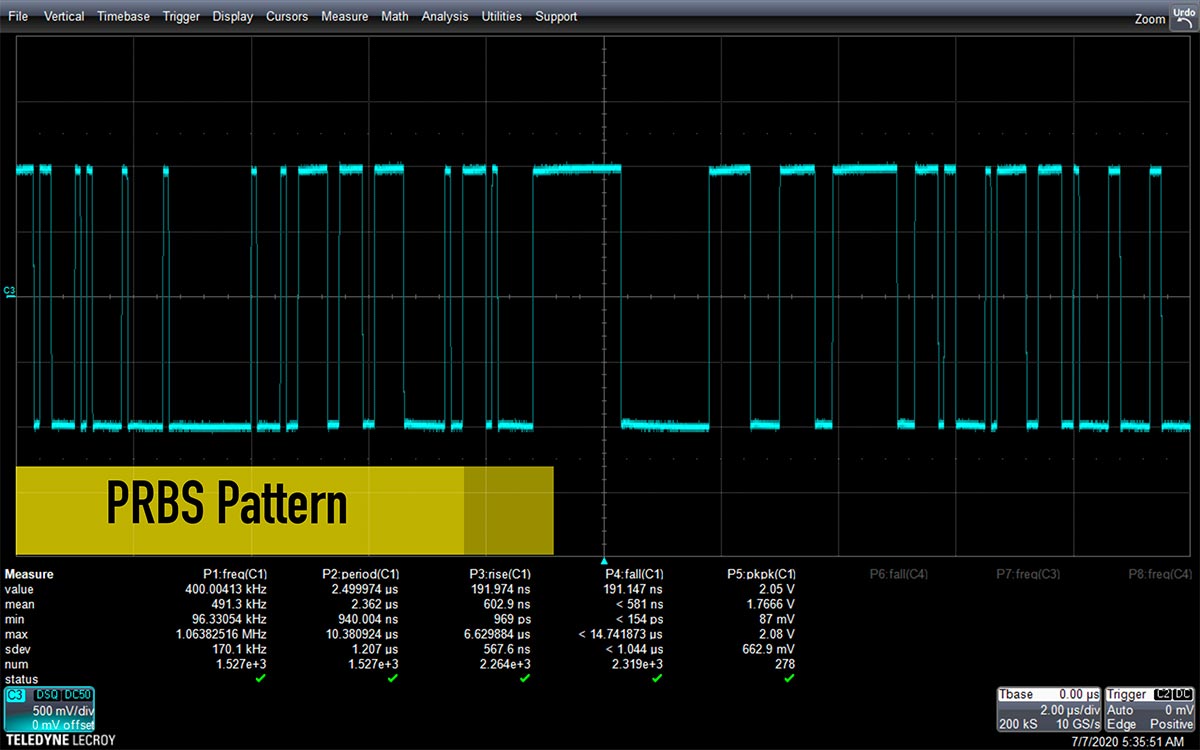
- PRBS sequence
- Physics, Electronics, Chemistry, Mechanics Lab