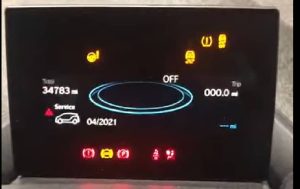

Failure phenomenon
One 2014 model Porsche CayenneIt is equipped with 3.0T engine and has accumulated mileage of about 180,000 kilometers. The owner reports that the engine occasionally fails to start.

First Picture - 2014 Porsche Cayenne Engine Start Failure Case Study
Fault Diagnostics
The engine starts and runs normally. Using a fault detector, check thatThe engine control unit (DME) contains several historical fault codes, of which "P065200 Sensor reference voltage B is too low" is the most likely cause of engine failure.Refer to the service data. Reference to the service data shows that fault code P065200 is stored when the sensor reference voltage B (normally about 5 V) is lower than 4.6 V.
As can be seen in Figure 1: DME terminal A14 provides 5 V reference voltage to the crankshaft position sensor and throttle body assembly; DME terminal A35 provides 5 V reference voltage for camshaft position sensor, fuel low pressure sensor, and intake manifold absolute pressure sensor; DME terminal B63 provides a 5 V reference voltage for boost pressure sensors, mechanical booster bypass valves, intake valve position sensors, etc.
Sensor Reference Voltage Circuit
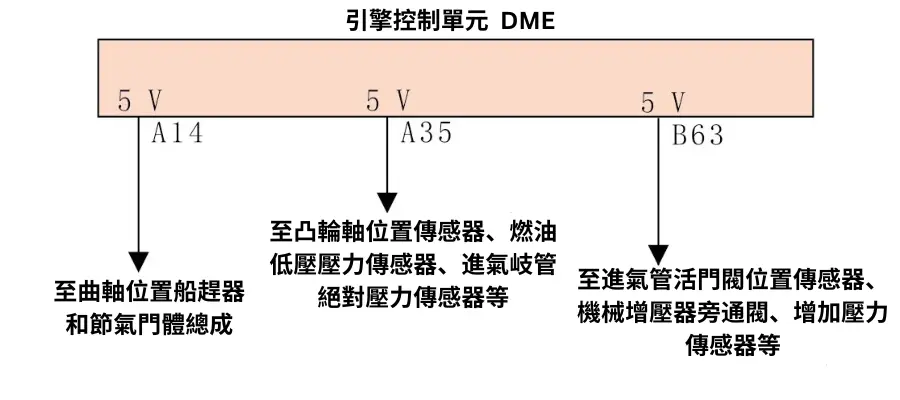
Figure 1 - Sensor Reference Voltage Circuit
After a number of test drives and successfully reproduced the fault, using the Honghong Pico automotive oscilloscope to measure the fault when the sensor reference voltage waveforms (Figure 2), you can see that the reference voltage on the DME terminals A35 and B63 have been pulled down to about 2.2 V, presenting an abnormal state.
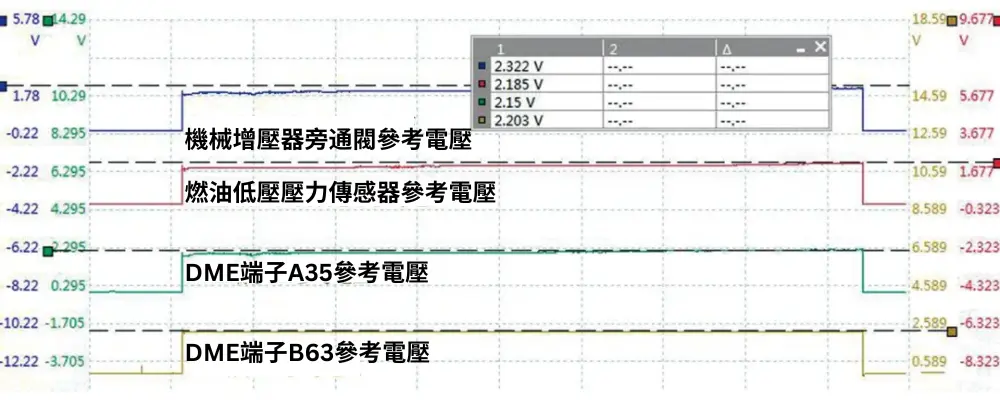
Figure 2 - Sensor Reference Voltage Waveforms During Fault Occurrence
When the fault disappeared, the reference voltage wire to the fuel low pressure sensor was artificially shorted to the lap (Fig. 3).It was found that the mechanical booster bypass valve reference voltage was also pulled down, while the throttle body assembly reference voltage was not affected.The DME terminals A35 and B63 share the same 5 V reference voltage, while the DME terminal A14 is an independent reference voltage circuit. To summarize, if the wires downstream of DME terminals A35 and B63 are shorted to the laptop, or if the components are shorted to the laptop, or if the DME itself is faulty, this problem may be caused.
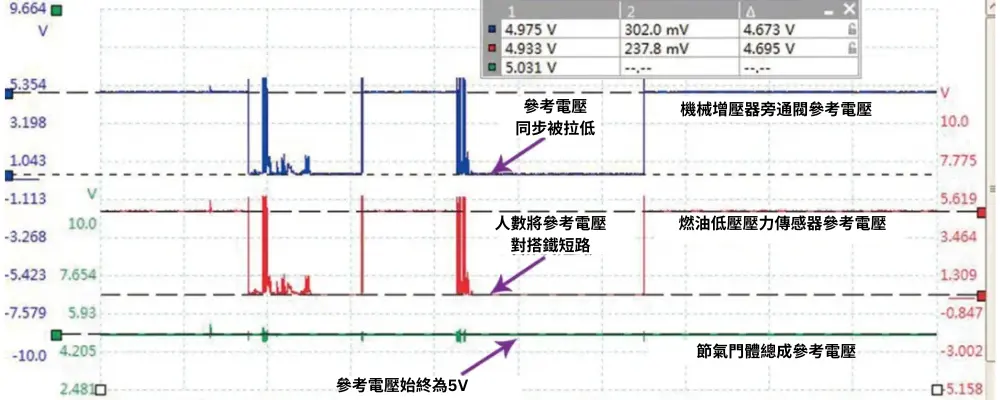
Figure 3 - Correlation Waveforms Measured with the Fuel Low Voltage Sensor Reference Voltage Wire Shorted to the Overlap
The downstream components and wiring harnesses of DME terminals A35 and B63 were inspected one by one, and finally found thatCylinder column 1 intake tube valve position sensor wiring with deteriorated insulation (Fig. 4)This causes an occasional short circuit between the reference voltage line and the lap wire, which pulls down the reference voltages of several sensors and prevents the engine from starting.
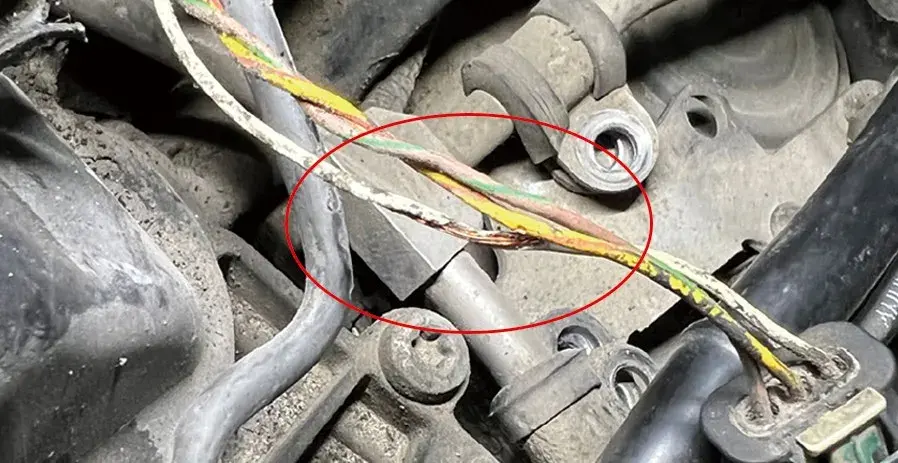
Figure 4 - Cylinder Column 1 Intake Pipe Valve Position Sensor Wiring Deteriorated and Damaged
fault resolution
Repair the broken cylinder column 1 intake tube valve position sensor wiring after repeated test drive, the fault condition no longer occurs, the problem has been completely eliminated.
Fault Summary
When diagnosing episodic faults, by accurately capturing the moment when the sensor's reference voltage is pulled down, you can dramatically reduce the scope of your inspection and quickly locate the fault.The Pico is an automotive oscilloscope that can monitor multiple signals at the same time. The Pico automotive oscilloscope is capable of monitoring multiple signals at the same time, which is especially powerful in determining similar intermittent faults. If you are also experiencing occasional malfunctions, you may want to try the waveform diagnosis, which can effectively improve the repair efficiency.
Product Recommendation
.webp "Pico4425A 4-Channel Standard Package (EP032)")
Pico4425A 4-Channel Standard Package (EP032)
- Suitable for daily automotive diagnostic and testing needs
- Includes necessary probes and accessories to get started immediately
- High resolution and fast signal capture for accurate diagnosis
- Portable design, easy to use in different maintenance sites
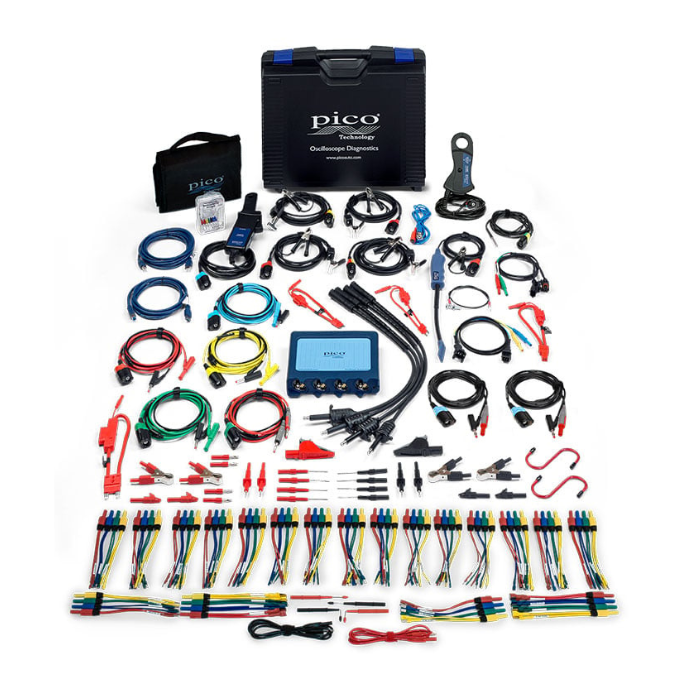
Pico4425A 4-Channel Premium Kit
- Tailor-made for advanced service stations or experienced technicians.
- More professional probes and advanced accessories for a wide range of applications.
- Highly accurate measurements to easily cope with complex faults
- Advanced analytical tools to effectively improve diagnostic efficiency