
preamble
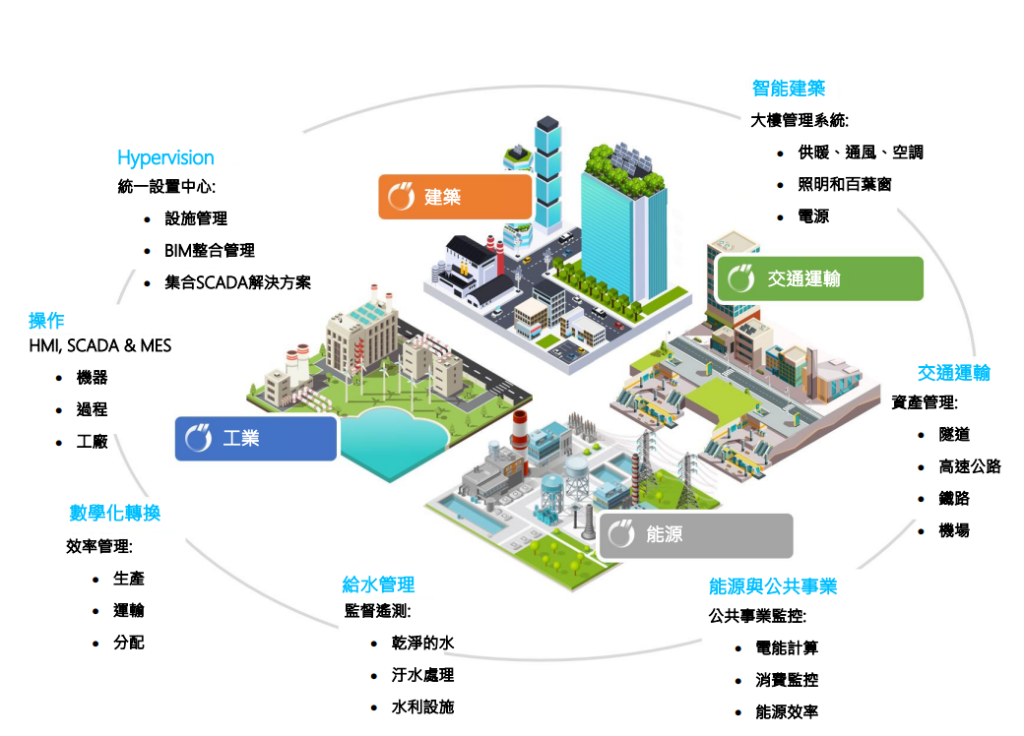
With the increasing demand for Facility Management (FM), Building Management System (BMS) and fire monitoring, as well as the application of Internet of Things (IoT) systems and Building Information Modeling (BIM) methodologies, the management of modern smart buildings poses higher challenges. Honghong's Panorama SCADA platform integrates all these components to maximize the efficiency of smart building management.
Macronix Panorama SCADA Platform for Intelligent Building Management
The Acer Panorama SCADA building management system is capable of collecting and analyzing a wide range of data sets from multiple systems, including lighting, water, energy consumption, low/high voltage networks, elevators, access control, and more. Through this integration and management capability, traditional building structures can be transformed into interconnected smart buildings that provide a more comfortable, economical and smarter living environment. In addition, the Panorama SCADA building management system offers integration of mobile client solution applications, providing convenient mobile functionality for workers and enhancing user experience.
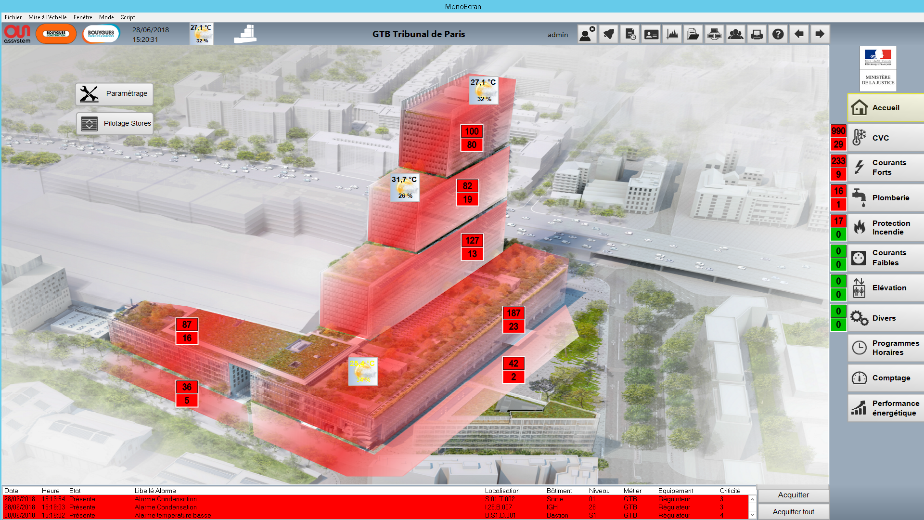
Unified integration and monitoring
The Panorama SCADA platform integrates and monitors various sub-systems and equipment in an intelligent building, such as lighting, air-conditioning, security, energy management, etc. Through a unified SCADA interface, administrators can instantly monitor and control the status and performance of various building systems to realize centralized management. Through the unified SCADA interface, administrators can instantly monitor and control the status and performance of each system in the building, realizing centralized management.
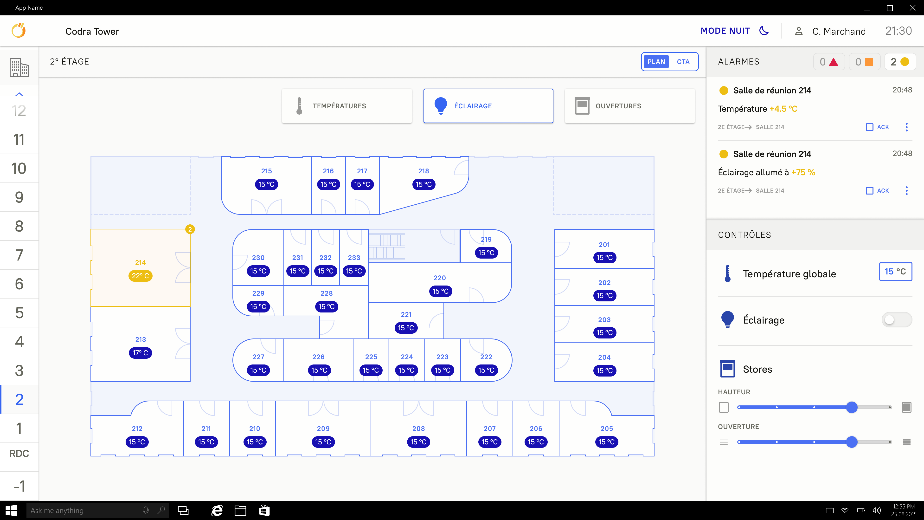
Real-time data collection and analysis
The Panorama SCADA platform is capable of capturing and storing real-time data from various systems in the building, including sensor data, equipment status, energy consumption data, etc. This data can be used to analyze building performance and energy usage, as well as to perform trend analysis and forecasting. This data can be used to analyze building performance and energy usage, as well as to perform trend analysis and forecasting. Based on this data, managers can make optimized decisions to improve the energy efficiency and operational efficiency of the building.
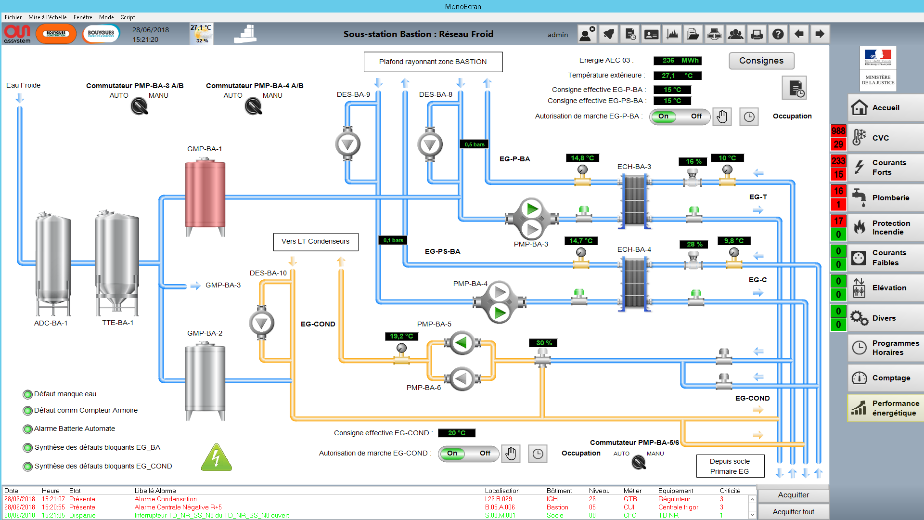
Remote monitoring and control
The Panorama SCADA platform supports remote monitoring and control, allowing administrators to access the SCADA system and monitor and control the systems in the building through mobile or web-based access. This allows administrators to monitor the status of the building, diagnose and handle faults anytime, anywhere, improving response time and efficiency.
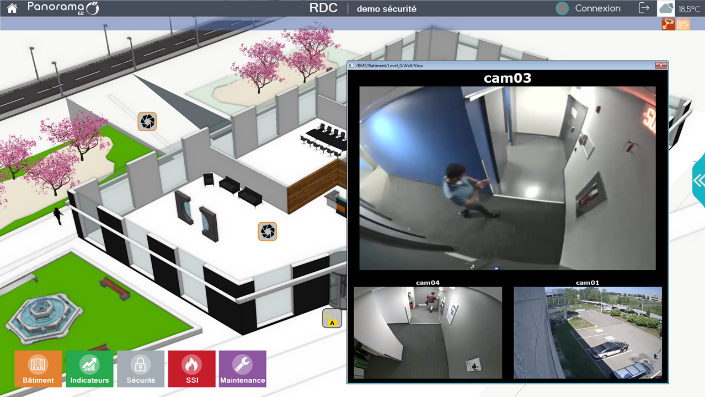
Alarm Notification Management
The Panorama SCADA platform can be configured with an alarm function that notifies administrators of any irregularities in the building's systems, so that problems can be detected and resolved in a timely manner, minimizing the impact of equipment failures on the building's operations and ensuring the safety and reliability of the building.
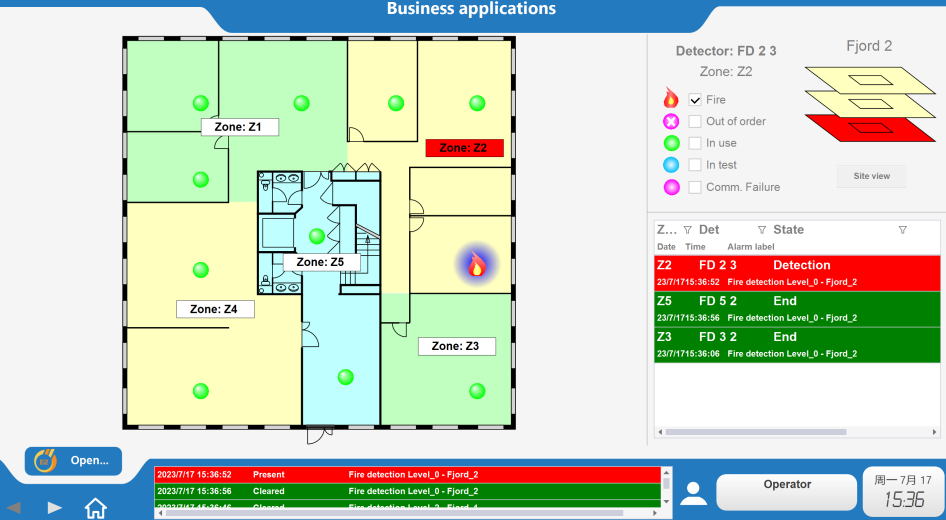
Visualization interface and report generation
The Panorama SCADA platform provides an intuitive visualization interface that displays building data and status in the form of charts, dashboards, and more. Through these interfaces, administrators can understand the overall condition of the building and generate reports and analysis results to help make decisions and optimize management.
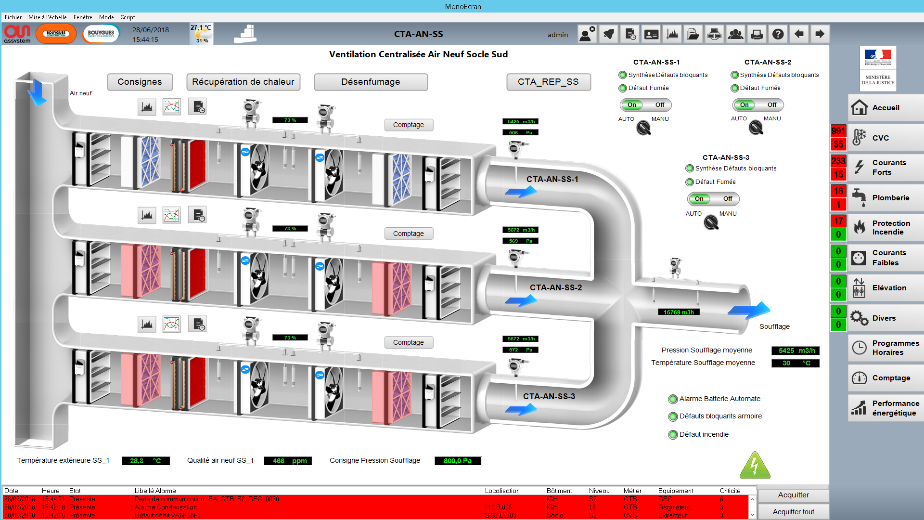
Conclusion
By integrating BIM models and real-time data, the Panorama SCADA platform provides operators with a comprehensive and efficient way to manage buildings, optimize performance and control costs, while providing greater flexibility, sustainability and efficiency in building operations, ensuring that operators can achieve optimal management results in their daily operations.