
Kvaser has been developing CAN products since the 1980s and has accumulated a wealth of industry knowledge and experience. With the completion of the Kvaser brand upgrade in May this year, Kvaser has entered a new stage of development. In the future, Kvaser will focus on providing cutting-edge device connectivity solutions, while continuing to innovate in the field of CAN technology and share relevant expertise to lead the development of the industry.
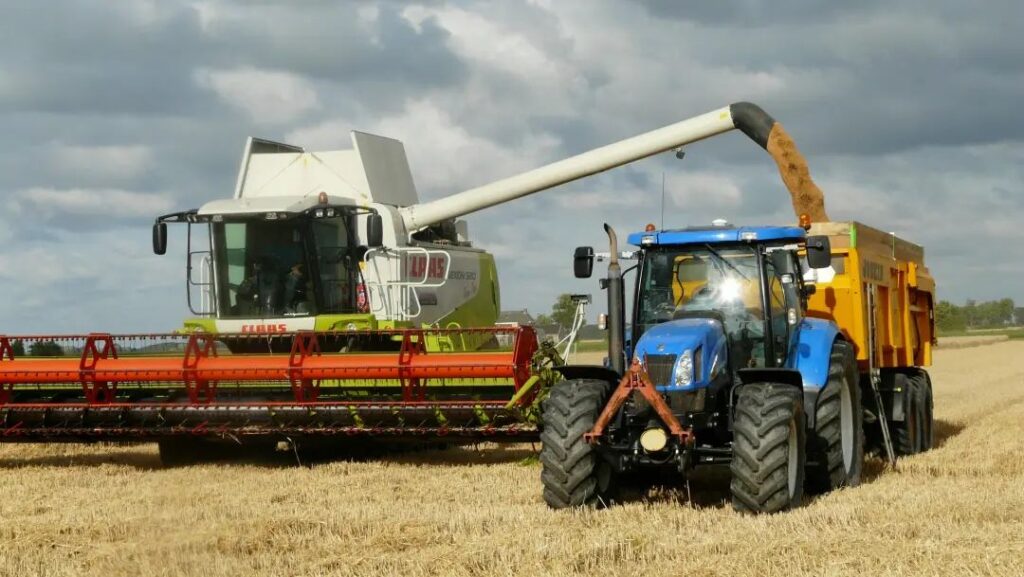
High-level protocols provide advanced functions such as device identification, data scheduling, and network management on top of the CAN bus, ensuring seamless interconnection and efficient operation at the application level. Based on the differentiated needs, there are different high-layer protocols for each industry, which are explained in this article. The ISO 11783 standard serves modern agriculture.It not only unifies the communication standards of agricultural and forestry machinery, but also realizes the seamless connection of different brands of agricultural machinery, accelerating the progress of intelligent agriculture.
ISO11783 Overview
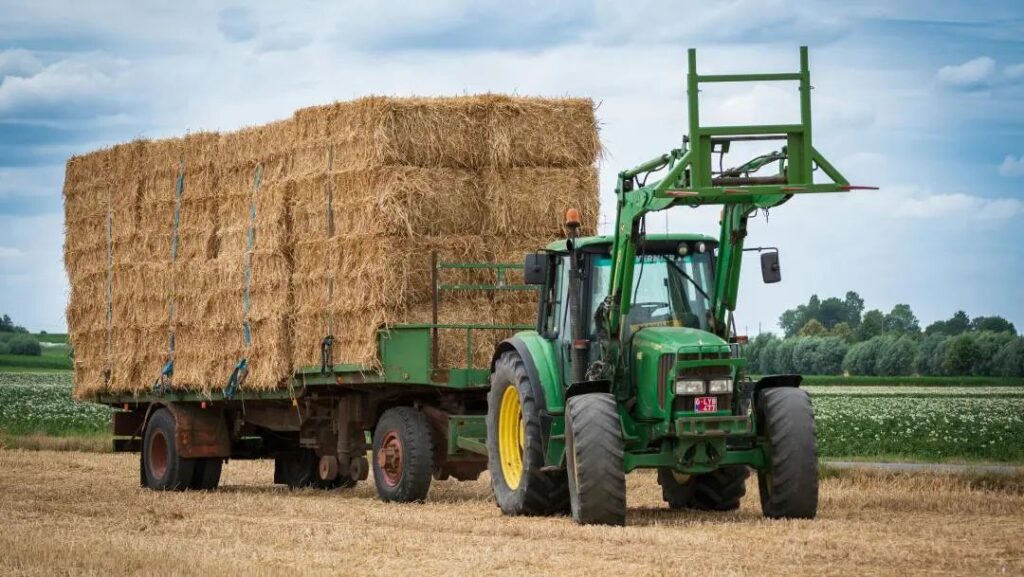
Modern agricultural and forestry vehicles, including tractors and stationary, semi-fixed, towed or self-propelled implements, use on-board electronic systems for real-time communication, data acquisition and analysis. In order to achieve interoperability and compatibility of data transfer between sensors, actuators, controllers, memories and displays in tractors and implements, theThe International Organization for Standardization (ISO) has developed the ISOBUS standard (ISO11783) for communication protocols.Use it as a common protocol for electronic communication between implements, tractors and computers.
ISO11783 is based on CAN bus technology and is based on the CAN high-level protocol SAE J1939.An Open System Interconnection (OSI) model is provided for on-board electronic systems for agricultural and forestry equipment. The model defines and standardizes the data transfer between these devices. In this way, ISO 11783 establishes a serial data network that enables effective control and communication between multiple electronic control units (ECUs) in an on-board network, thus facilitating seamless interoperability between devices.
*SAE J1939 is the recommended implementation specification for vehicle buses used for communication and diagnostics between vehicle components in commercial vehicle applications.
Implementing ISO11783 through ISOBUS software stacks
The ISO11783 standard is implemented via the ISOBUS software stack.The ISOBUS software stack is a pre-packaged software solution based on the ISO11783 standard.It contains all the software components and protocols needed to implement the ISO11783 standard, including drivers, communication protocol stacks, application program interfaces (APIs), diagnostic tools and user interfaces. It allows developers and manufacturers to create ISO11783-compliant devices and applications that are compatible and interoperable with existing systems.
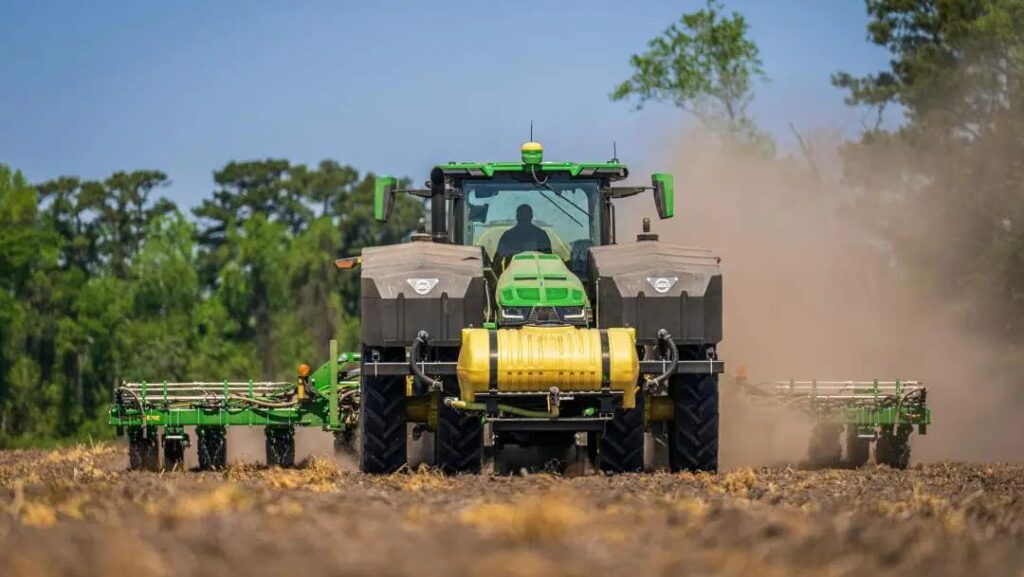
The Agricultural Industry Electronics Foundation (AEF) is an international cooperative of leading farm tractor and implement manufacturers that promotes the ISOBUS standard and coordinates compliance certification testing to the ISO11783 standard. The organization facilitates the electronic standardization of different equipment to ensure interoperability and compatibility between ISOBUS implements and tractors from different manufacturers in the agricultural industry.
◉ ISOBUS product certification and inclusion of this certification in the AEF ISOBUS database to increase public and market awareness and promote sales and service.
◉ Provide AEF ISOBUS conformance test tools to help products get ready for AEF ISOBUS conformance test, thus speeding up the development of ISOBUS products.
◉ AEF provides knowledge and support to manufacturer engineers.
◉ Provide access to the AEF project team to enable manufacturers to participate in and influence the development of international agricultural industry standards.
ISO 11783 standard ensures compatibility and interoperability
In the agriculture and automotive industry ecosystems, all components, systems, equipment and vehicles are manufactured and serviced by different original equipment manufacturers (OEMs) and automotive suppliers. Ensuring compatibility and interoperability between these products is critical for users to seamlessly utilize tractors and various implement combinations from different manufacturers.
ISOBUS software stacks through plug-and-playProvides a standardized solution for serial data communication between various ECUs, connectors and virtual terminals.This approach not only simplifies the integration process, but also enables original equipment manufacturers of tractors and implements to easily incorporate embedded devices and electronics from third-party vendors into industry ecosystems.
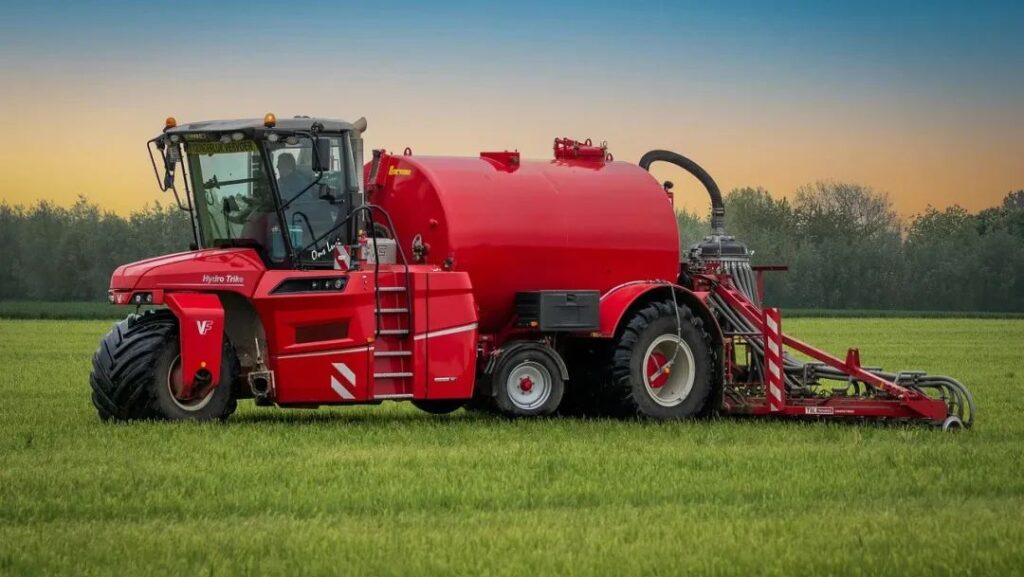
Farm tractors and implements contain the following basic electronic control units, connectors and devices:
◉ Tractor ECU (Electronic Control Unit):This is the brain of the tractor, responsible for controlling the engine and other key systems such as the transmission and hydraulic system.
◉ Machine ECU:Similar to a tractor ECU, but designed to control implements connected to a tractor, such as a plow, planter, or harvester.
◉ Separate connector for the machine:This is a special interface that allows a quick and easy electronic connection between the tractor and the implement, enabling the transfer of data and power.
◉ Machine Bus: This is the communication network that connects the tractor to the ECU of the implement, usually based on CAN bus technology, ensuring efficient and reliable data transfer between devices.
◉ Auxiliary Inputs: These are interfaces that receive signals from various sensors, such as soil moisture sensors, position sensors, etc., and can provide additional computing data.
◉ Virtual Terminal:This is a software interface that allows the operator to interact with the electronic systems of tractors and implements through a single display and control device for centralized monitoring and control.
The Integrated Tractor Management Unit (ITMU) consists of the above on-board components as well as off-board systems such as the file server, mission controller and diagnostic unit.These systems are managed through farm PCs or farm mobile computing devices with web or mobile applications installed.It enables farm tractors and implements to realize automated control and precise agricultural operations, thus improving operational efficiency.
Kvaser and ISO 11783
Founded in 1981, Kvaser has earned an outstanding reputation for accuracy, reliability and durability through more than 40 years of technical expertise. At the same time, Kvaser is committed to redefining the way equipment is connected, using advanced technology to bring reliable connectivity solutions to customers around the world. Our products are widely used in industrial automation, marine transportation, automotive, agriculture and other fields.
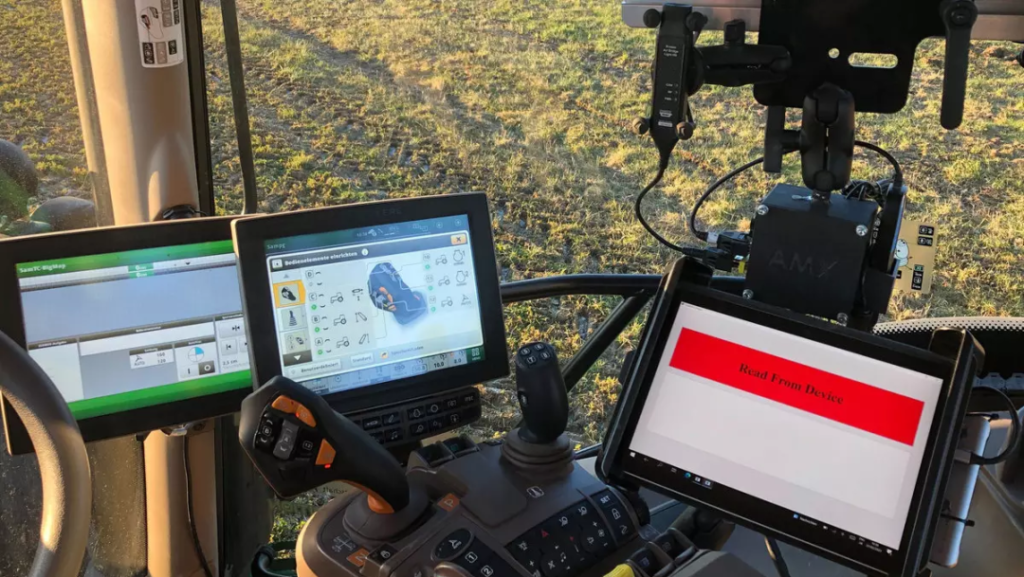
The use of CAN bus technology in agricultural machinery can greatly facilitate the integrated assembly and maintenance of control units.Among them, J1939 couplings are widely used in agricultural machinery. Kvaser has a variety of products with J1939-13 Type II couplings, which can be conveniently connected to various agricultural implements. 👉Click hereLearn more about the use of CAN buses in agricultural machinery.
👉Kvaser Leaf Light HS v2 J1939-13 Type IIProvides an efficient, simple method of connecting a PC or mobile computer to the CAN communication link of any J1939-compliant agricultural or industrial vehicle. It utilizes the SAE J1939-13 standard, which specifies diagnostic connectors for connecting off-vehicle diagnostic tools and on-vehicle equipment on J1939 vehicles.
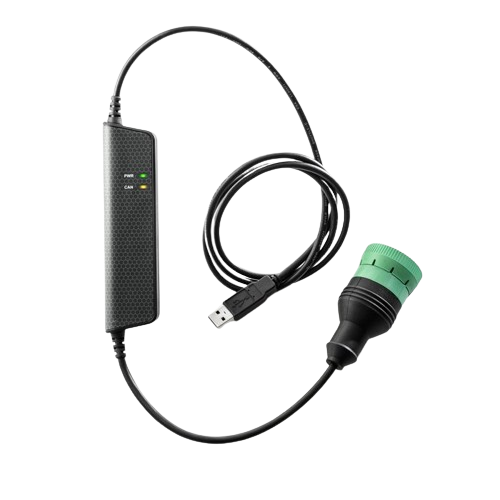
itsOn one end is a standard “A” type USB 2.0 interface for external connection, and on the other end is a J1939-13 II type CAN interface for in-vehicle connection to obtain diagnostic data.It supports 250 Kbps and 500 Kbps vehicle networks with up to 8,000 messages per second, each with a 100µs timestamp resolution; electrical isolation to protect the device from electric shock and surges; -20°C to +70°C operating temperature range and an engineering-grade thermoplastic housing material, PA66.The product remains strong and durable even in the muddy and wet agricultural environment.
This post reprints a partner Kvaser article
If you are interested in the above, pleaseWelcome to contact us!