
Honghong will provide you with any support you need!
Our professional Honghong team will be the first to respond and provide you with the best service to solve all your problems.
Honghong New Wavelength Selector Technology - Optimized Optical Microscope Fluorescence Imaging Solution

Combined with TwimFilm's patented technology, the wavelength selector provides flexible wavelength adjustment and precise filtering performance, making it ideal for high-demand applications such as optical microscopy and fluorescence imaging.
Equipped with a four-channel adjustable light source, it can quickly switch between multiple wavelengths to adapt to different sample requirements and enhance the efficiency and accuracy of multi-channel imaging.
The high sensitivity IDS industrial camera provides clear images and accurate data for microscopic image analysis, helping to improve sample observation in bioscience and industrial applications.
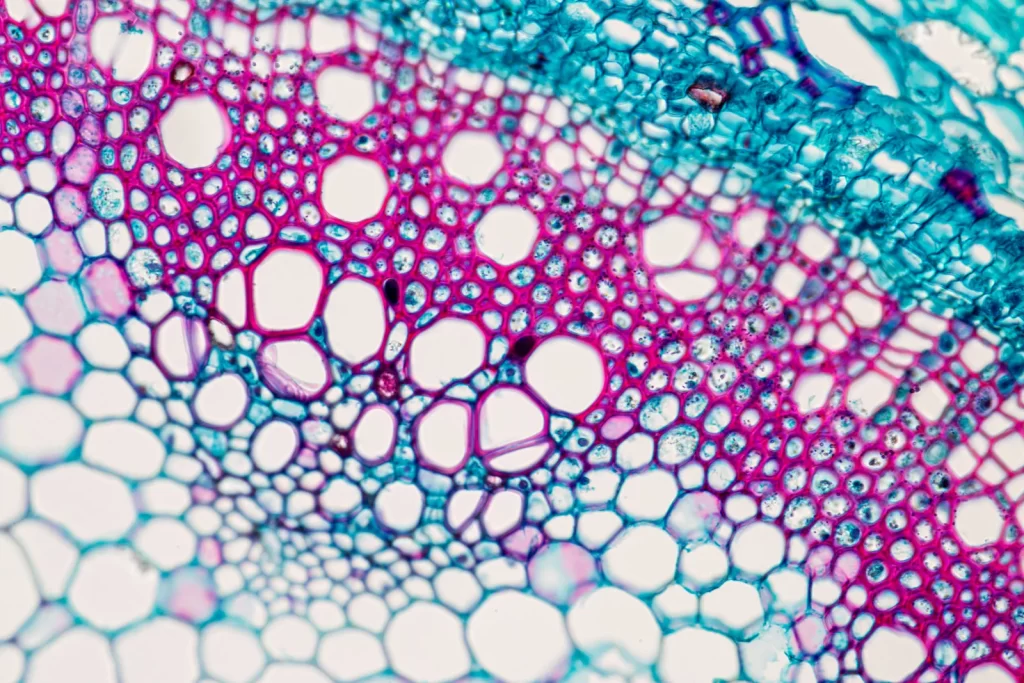
Excitation Fluorescence Imaging (EFI) is a fundamental method for the study of biological processes and is suitable for analyzing the interactions between genes, proteins, drugs and cells. This technique is mainly used to observe the spatial distribution of target substances in biological samples, and usually requires imaging at specific wavelengths to achieve high contrast, strong specificity and high sensitivity to support in-depth research and detection of biological systems.
Fluorescence technology has a wide range of applications in the life sciences:
These techniques provide insight into the structure, function and dynamic processes of biological systems.
Biofluorescence technology uses fluorescent markers to label biological tissues, causing them to gather at specific sites and emit fluorescent light at specific wavelengths of excitation. The fluorescent signals are captured by imaging equipment and presented on a screen for visual analysis of biomolecules.
Biofluorescence technology typically uses multiple fluorescent probe dyes that rely on different wavelengths of excitation to maximize the radiation intensity of the probe, thus increasing the accuracy of the analysis.
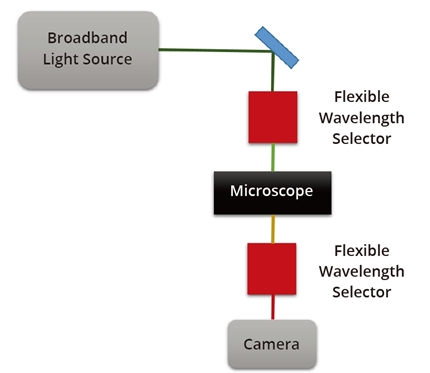
Filters and dichroic beam splitters are commonly used as wavelength filters during microscopic inspection and are usually installed before the camera or eyepiece.
Filters are used in conjunction with broadband light sources to replace LEDs or lasers for selective illumination. Most filters are based on thin-film dielectrics, and some incorporate colored glass to enhance wavelength blocking.
The bandpass wavelength and center wavelength of each filter are fixed, which lacks the flexibility to scan images with wavelength changes and dynamically adjust the wavelength and bandwidth to find the best viewing conditions.
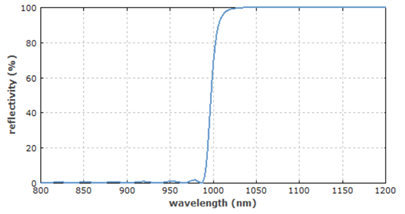
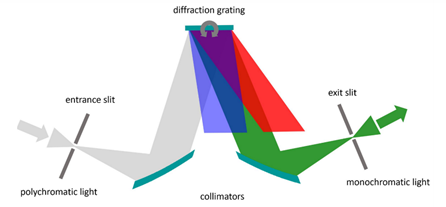
Diffraction gratings or dispersive prisms are used to select the wavelength of the light source, and the bandwidth is adjusted through the slit to realize precise wavelength control.
The monochromator selects the light source output through a diffraction grating or dispersive prism. To filter the light source, the output slit or fiber is used to select the target wavelength range, and the center wavelength of the band is continuously tuned by rotating the angle of the grating (or prism). The width of the input and output slits can also be adjusted to smoothly change the bandwidth of the transmitted light.
Although monochromator has an accurate wavelength selection function, it is not commonly used in image inspection. The reason is that one axis of the camera array is usually used for imaging, while the other axis is used for wavelength dispersion, so the image must be constructed line-by-line or pixel-by-pixel, limiting the application of monochromator for fast imaging.
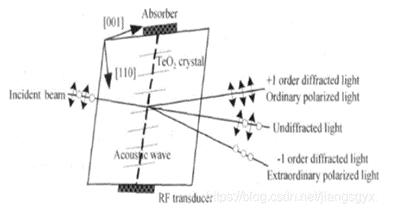
An AOTF is a solid-state component that operates by applying a radio frequency (RF) input to a special crystal such as tellurium dioxide (TeO₂). The resulting acoustic vibrations form a moving diffraction grating that selectively controls the diffraction of light waves.
In fluorescence measurements, the excitation light source can be a xenon lamp, an LED lamp, or a laser light source. Xenon lamps have a wide wavelength range and can cover the wavelengths of many fluorescent dyes, but the presence of a high proportion of non-target band stray light has a negative impact on the final fluorescence emission and imaging results, while LED lamps are usually monochromatic and have a narrower spectrum, which may not be able to match the wavelengths of some of the fluorescent dyes exactly. Laser is monochromatic, but requires a complex optical system to control and focus the laser beam, and has a higher risk of damage to biological samples.
The Acer FWS combines two of its broadband bandpass filters in a compact, opaque housing. This design allows the angle of incidence of each filter to be rotated independently. The Honghong FWS offers the wavelength flexibility and accuracy of a monochromator with the large net aperture of a filter, high out-of-band extinction, and performance that is virtually unaffected by changes in temperature or humidity. In addition, it is simple, economical, rugged, and can be packaged as a compact device for microscopy.
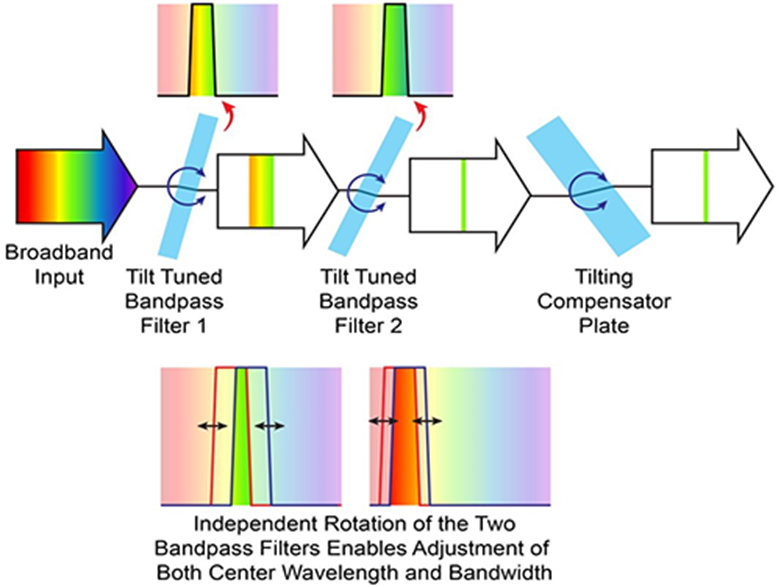
Patented TwinFilm™ Technology Developed by Spectrolight, an Acer Partner
The bandwidth of the Honghong FWS products can be adjusted from about 1.5 nm to 20 nm (nominal), and the center wavelength can be selected from most visible wavelengths (350 nm-900 nm). Since they require collimated light, the infinite space in the microscope (i.e., before the camera) is the ideal location for compact devices based on this technology. In addition, the collimated I/O allows simple fiber coupling, simplifying integration. These features make it ideal for spectral filtering in camera and microscope light sources.
Honghong provides a tunable multi-wavelength light source fluorescence detection imaging system, which combines advanced multi-channel wavelength tunable light source technology, Honghong's new filtering technology and high-performance camera imaging equipment to satisfy the imaging needs of fluorescent groups in different wavelength bands. The main features of the system are as follows:
Multi-band light source
Equipped with more than 4 adjustable light sources, it can flexibly stimulate different fluorescent dyes to meet the needs of multi-channel imaging.
High Performance Camera
High resolution and high sensitivity camera captures fluorescent signals accurately to ensure image quality.
Multi-dye synchronous excitation
Support simultaneous excitation and imaging of multiple fluorescent dyes, providing rich observation information.
Optional two-way color mirror
Filters reflected light to enhance or suppress specific signals for a clearer image.
Fully automatic wavelength selector
Automatic adjustment of light excitation and reflection, suitable for multi-band fluorescence imaging.
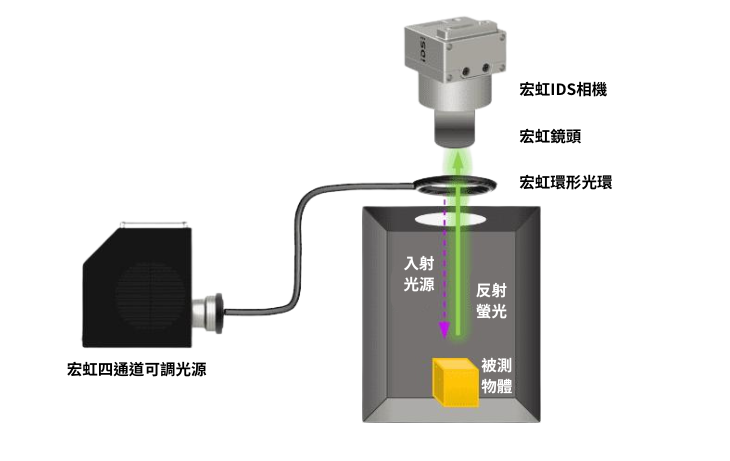
The Honghong Tunable Light Fluorescence Imaging System consists of a four-channel light source, an IDS visible camera, a Honghong wavelength selector, a lens and a ring light guide. The system can adjust the light source in four wavelength bands: UV, blue, green and red. The light radiation is irradiated to the test object through the ring light guide, which stimulates its fluorescent dyes to emit specific fluorescent light. The fluorescent light enters the camera through the lens, and the image is analyzed and output, realizing the fluorescence detection and condition observation of the sample.
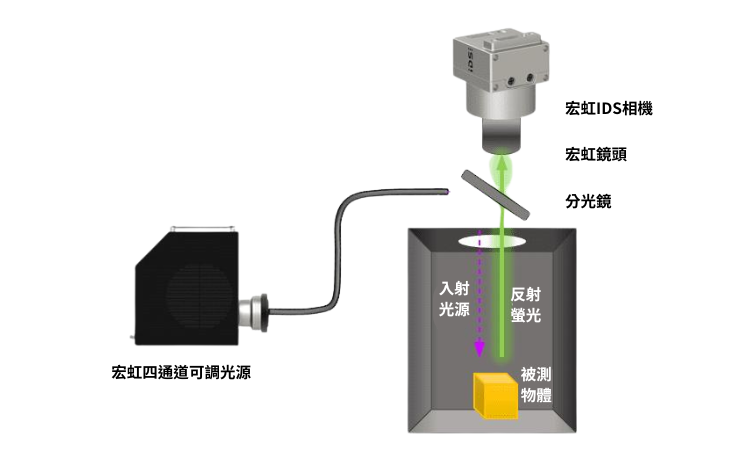
Light from a multi-spectrum excitation source is filtered through an excitation filter to remove unwanted frequency components and retain only the desired light waves for imaging. When the incident excitation and reflected fluorescence are close to each other, a dichroic mirror can be added to the system to selectively pass the excitation and fluorescence signals.
In the incident direction, the dichroic color mirror passes through a specific wavelength of excitation and blocks other wavelengths, ensuring that the fluorescent markers in the sample receive the appropriate wavelength of excitation. In the outgoing direction, the dichroic mirror passes the fluorescent signal at a specific wavelength and blocks other wavelengths of light, effectively reducing stray light interference and improving the purity and clarity of the fluorescent signal.
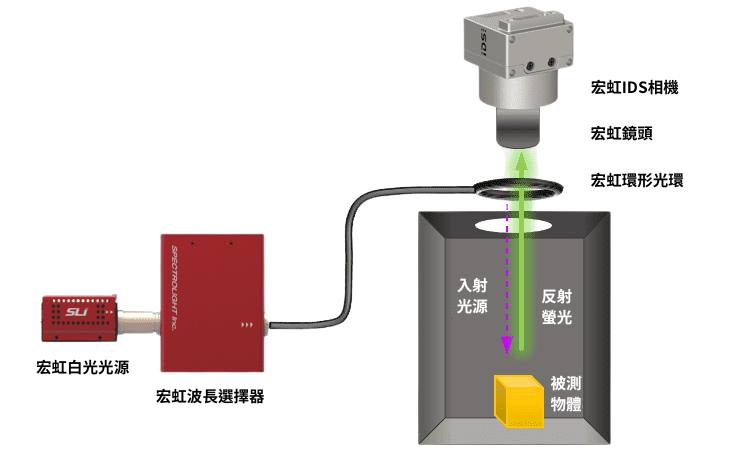
For multi-band fluorescent dyes with a wider range of monochromatic wavelengths, a fully automatic adjustable light system consisting of Honghong's white light source and wavelength selector is available. The system covers UV, visible and near-infrared ranges, with a transmittance of 75%, an out-of-band barrier of OD6, and a wavelength adjustment resolution of 1nm, which can satisfy most of the fluorescent dyestuffs' excitation needs in the market.
Multi-color fluorescence imaging with multiple markers is especially useful in distinguishing the characteristics of cell parts. With the macrochromatic wavelength selector, different fluorophores can be imaged at the same time. The figure below shows a fluorescence image of a fixed HeLa cell labeled with DAPI (nucleus), CMFDA green (cytoplasm) and dark red FM (mitochondria). Instead of time-consuming scanning with three filter sets or a monochromator, the Acer FWS multiplexer allows for simultaneous triple-color imaging and rapid capture of intracellular signals.
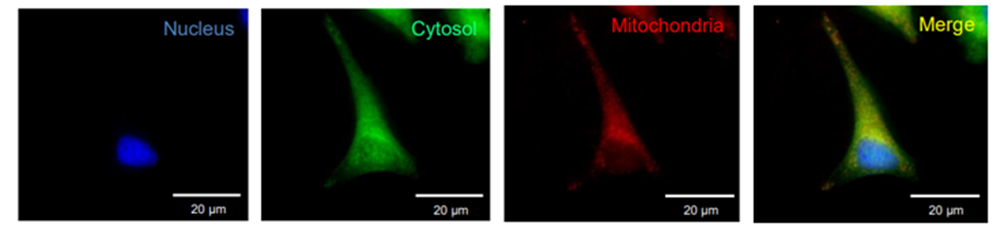
Fluorescent images of HeLa cells labeled with different stains
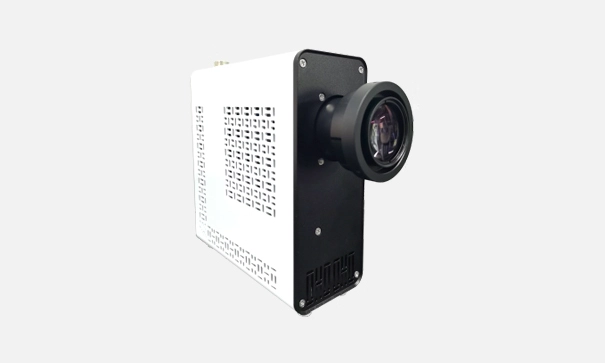
Honghong's 4-channel light source is equipped with four different wavelengths, 365nm, 460nm, 530nm and 625nm, with a total output power of 5W. Each wavelength can be independently controlled for light output and intensity.
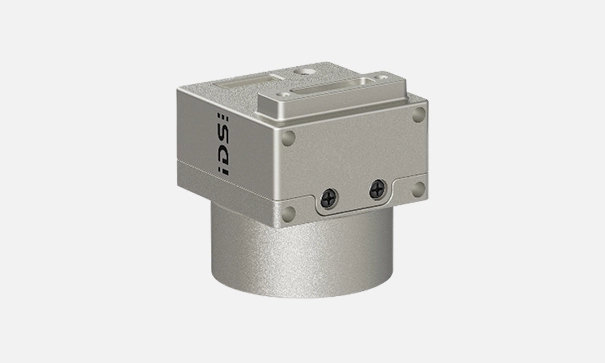
The U3-3560XCP Rev.1.2 industrial camera features a SuperSpeed USB 5 Gbps interface and an ON Semiconductor AR0234 sensor with a resolution of 1920 x 1200, a pixel size of 3 µm, and 102 images per second. The sensor's high-efficiency shutter design provides clear, sharp image quality in a variety of lighting conditions.
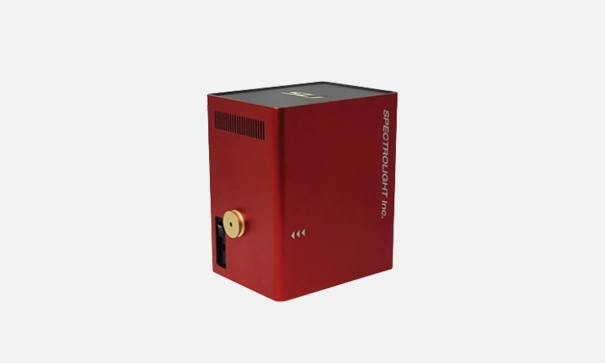
Honghong's fully automatic wavelength selector is based on its own patented TwimFilm technology, which can quickly and accurately switch and select different wavelengths. With an intelligent control system, the device is easy to operate and highly efficient, making it ideal for multi-band illumination, microfluorescence analysis, and industrial high-spectrum light sources.
Our professional Honghong team will be the first to respond and provide you with the best service to solve all your problems.
Address: 3F, No. 99, Jingye 1st Road, Zhongshan District, Taipei City, Taiwan (Da Wan Technology Center Building)
3rd Floor., Dawan Technology Center Building, No. 99 Jingye 1st Road, Zhongshan District, Taipei City, Taiwan
©2025.hongtronics. All Rights Reserved.