How to Evaluate LiDAR Parameters and Specifications

Optical radar LiDAR is a key technology for many cutting-edge applications. However, with so many different types of optical radar on the market, choosing the right optical radar for your application can sometimes be tricky. How do you differentiate between the different types of optical radar? What are the key parameters and technical specifications that can be used to evaluate their performance? In this article, Avision will unveil the mystery of optical radar parameters for you.
Continue ReadingHow to Evaluate LiDAR Parameters and Specifications

Five minutes to learn the secrets of LiDAR, the optical radar.

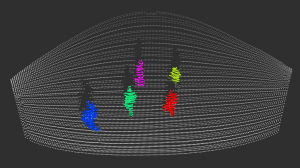
LiDAR, an acronym for Light Detection and Ranging, is commonly used to represent Optical Radar.LiDAR is a sensing technology that emits a low-power, eye-safe laser for pulse measurements and measures the time it takes for the laser to complete a round trip between the sensor and the target. The resulting aggregated data is used to generate 3D point cloud images that provide both spatial location and depth information to identify, classify and track moving objects.

Continue ReadingFive minutes to learn the secrets of LiDAR, the optical radar.

Laser Radar Technology in the Agricultural Field

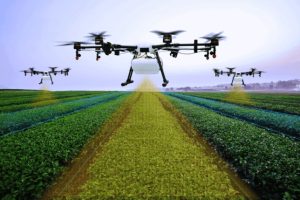
Monitoring the growth of plants and animals by means of LiDAR is beneficial for agriculture in terms of increased yields and more efficient use of land. Therefore, the continuous development of LiDAR technology is preparing the future of agriculture. LiDAR sensors have a significant advantage over other sensing sensors: dust, darkness and fog do not affect their performance. For example, cameras are unable to provide data in dark or foggy conditions, but LiDAR can still detect its surroundings properly even under these conditions.

Continue ReadingLaser Radar Technology in the Agricultural Field

Application of Laser Radar in Fleet Management

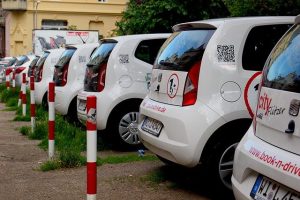
Rental car companies' fleet management becomes even more efficient with the help of smart infrastructure: LiDAR sensors enable the remote control of intelligent parking of vehicles. At international airports, it is common for large fleets to have hundreds of rental cars clustered in the same area. For fleets of this size, the so-called vehicle turnaround, i.e. the process from return to a new round of rentals, is very time-consuming and requires high logistical and financial expenditures, especially when moving the rental cars around the site, which consumes valuable resources.

Continue ReadingApplication of Laser Radar in Fleet Management

Intelligent Transportation with Laser Radar Technology

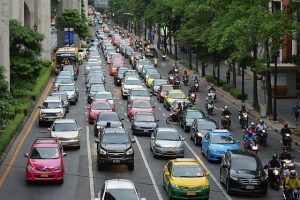
How can urban congestion be reduced? Traffic congestion, which is caused by all road users driving in a way that is optimal for them, can be achieved with the help of smart infrastructure enabled by LiDAR technology. For example, they may overtake or change lanes in what they believe is the best way to get to their destination the fastest. Since road users don't understand how they affect the traffic around them, drivers themselves don't realize that stopping a car can cause a traffic jam for up to three kilometers.

Continue ReadingIntelligent Transportation with Laser Radar Technology