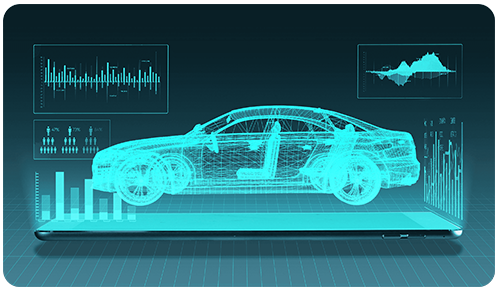
Includes professional vehicle communication and CANbus test equipment, such as PC interface card, gateway, CAN analysis software and data logger, with network monitoring, protocol conversion, ECU flushing, node simulation and diagnostic calibration functions, ideal for efficient communication and accurate diagnosis.
The CAN FD (CAN with Flexible Data-Rate) protocol is designed to significantly improve data transfer capability while maintaining traditional CAN backward compatibility. It supports transmission rates up to 10 Mbit/s and extends the data frame capacity up to 64 bytes, resulting in a significant increase in communication efficiency, reduced bus loading, and reduced communication delays. Therefore, CAN FD becomes an ideal solution for automotive electronics, industrial automation and CANbus testing, which require efficient communication.
Automotive Electronics
Industrial Automation
Embedded Systems and Internet of Things (IoT)
Product Advantage
Efficient Data Collection and Recording
The CAN baud rate is up to 1Mbit/s and CAN FD up to 12Mbit/s, and supports multiple format conversions (ASC, TRC, CSV, BTR, MF4) to ensure flexible and efficient data recording.
Software Integration and Secondary Development
Provides multiple APIs, supports multiple programming languages, and is suitable for developers to carry out secondary development and in-depth analysis of CANbus.
Multiple interfaces and high flexibility
Multiple interfaces support USB, PCI, PCIe, miniPCIe, M.2, etc., and single device supports 1-6 channels, providing flexible configuration options.
Diverse Data Format Support
Includes support for (ASC, TRC, CSV, BTR, MF4) conversion, and flexible handling of data storage and reading, for convenient follow-up data analysis.
Highly reliable data transmission
Microsecond timestamps with PCAN Explorer 6 software, support for plug-in extensions (dbc, playback, graphic panels, J1939) to enhance transmission reliability.
Flexible Application Expansion
Supports extensions such as report playback, graphical display, and J1939 protocol to accommodate a wide range of applications.
PC adapter
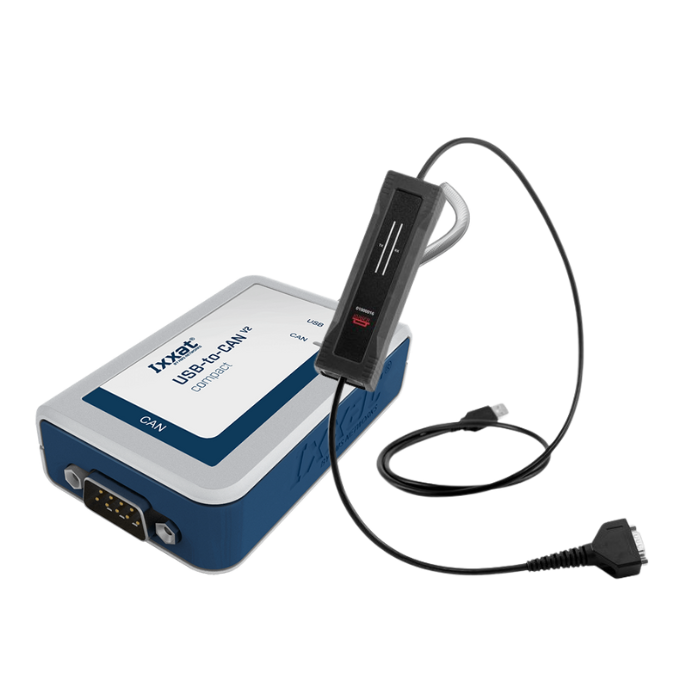
Single Channel CAN/CAN FD to USB
For basic CAN network monitoring and data transfer
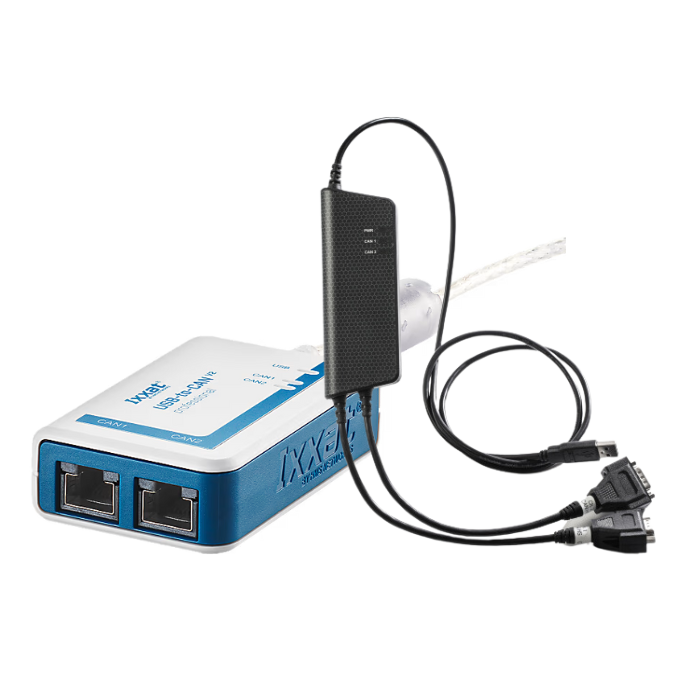
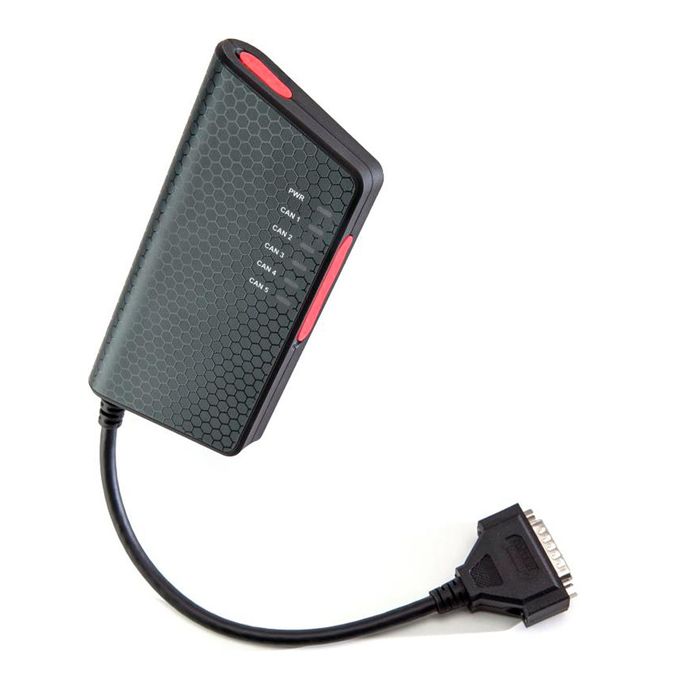
Multi-Channel CAN/CAN FD to USB
Suitable for multi-network monitoring and data processing needs
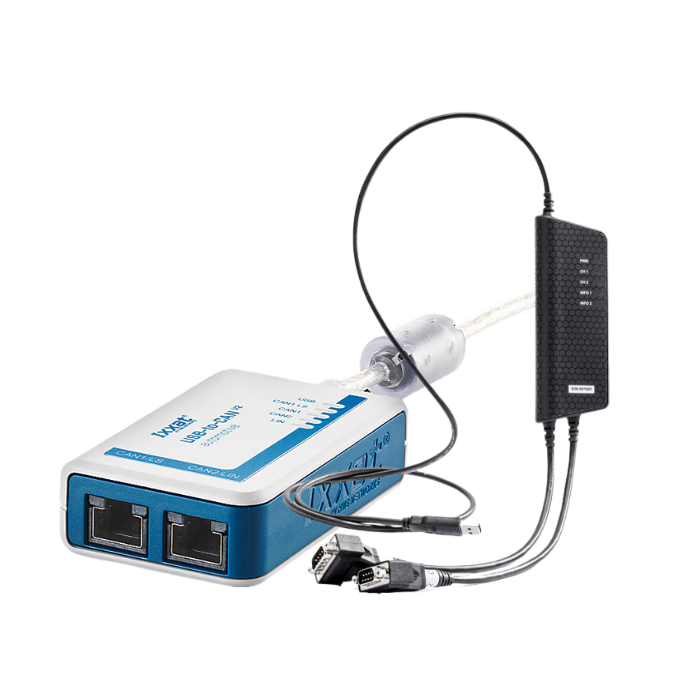
CAN, LIN to USB
Suitable for cross-protocol applications and data exchange requirements
CAN to Ethernet
Ideal for remote monitoring and network integration needs
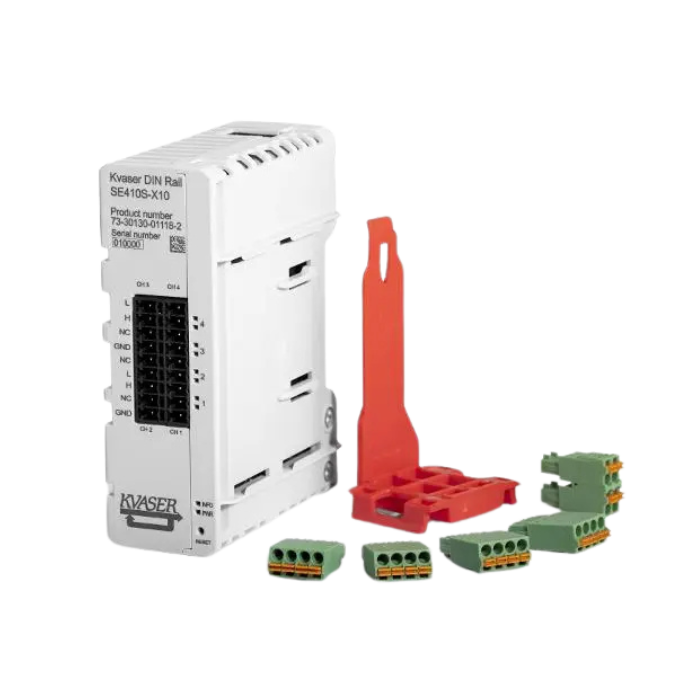
DIN RAIL
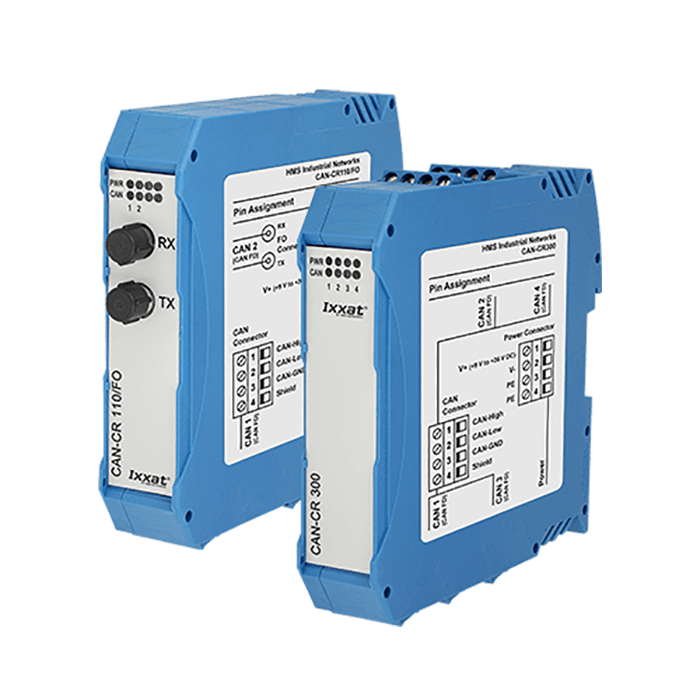
CAN interface module for bus management
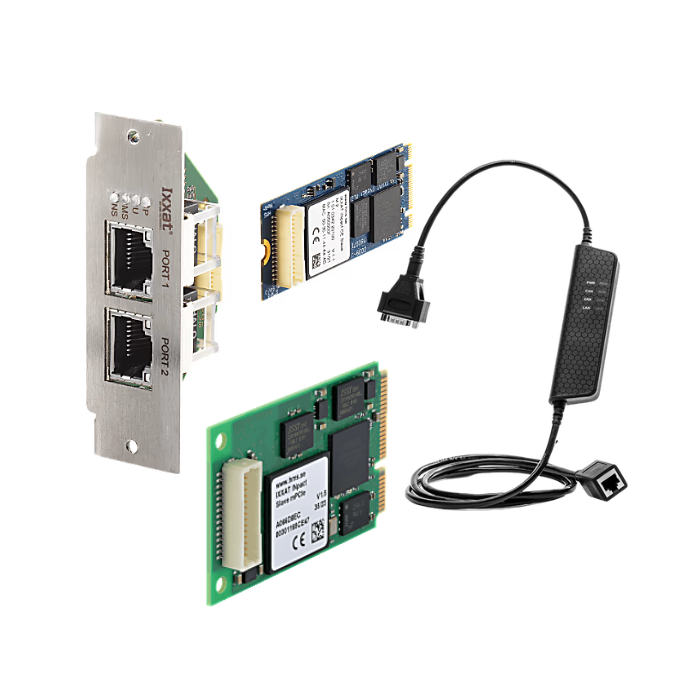
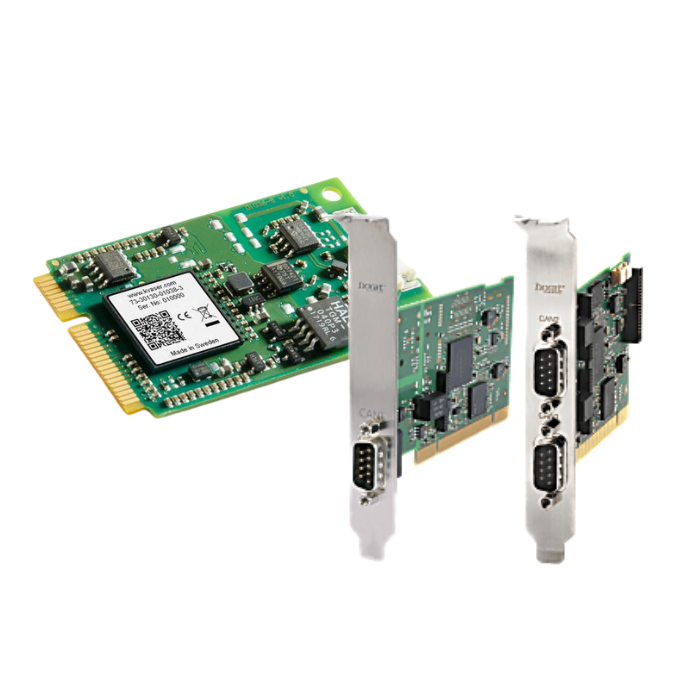
Embedded Boards
PCI, PCIe, Mini PCIe, M.2, PC/104... and other interfaces
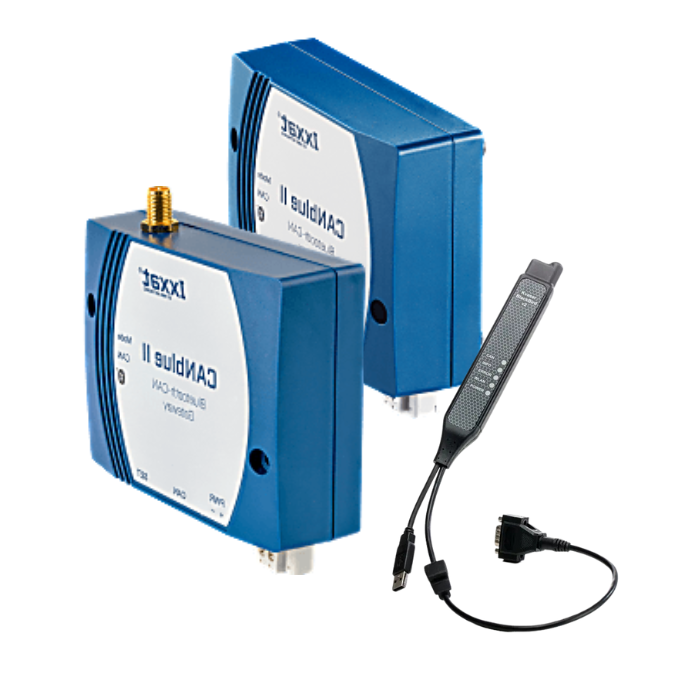
CAN to Wireless Network
Bluetooth and Wi-Fi support, flexible CAN connectivity solution
Bridges, Repeaters, and Test Platforms
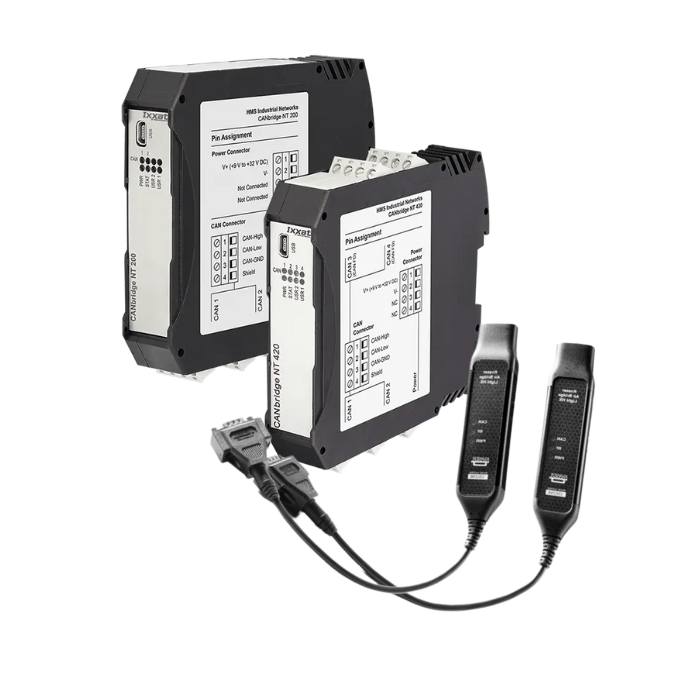
CANBridge
Realizes data connectivity between different CAN networks for a wide variety of industrial and automotive application scenarios.
repeater
CAN signal repeater for small network expansion and communication signal reinforcement
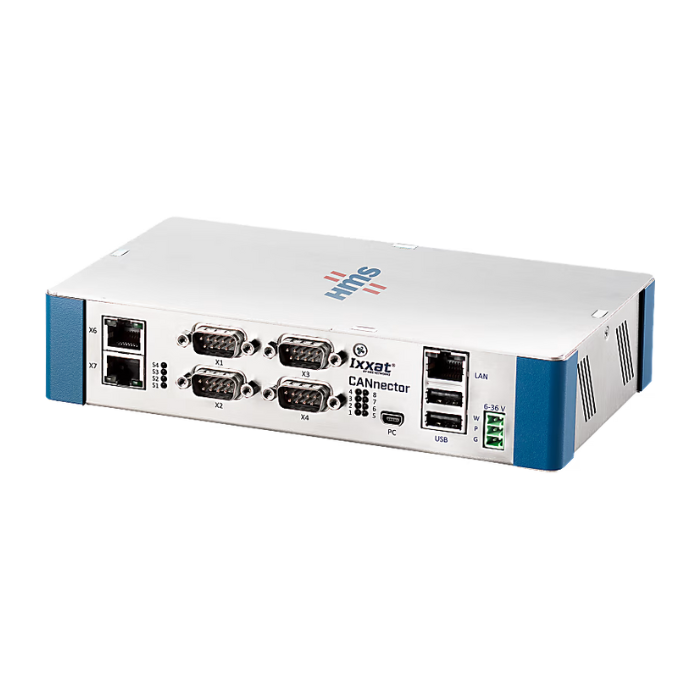
CANnector Test Platform
Versatile CAN data processing equipment for testing and simulation needs
CAN Embedded System
Integrated CAN, FlexRay and LIN testing for system development
CAN Data Logger
Memorator
Suitable for multi-scene data recording needs, providing stable long-term data storage and retrospective analysis.
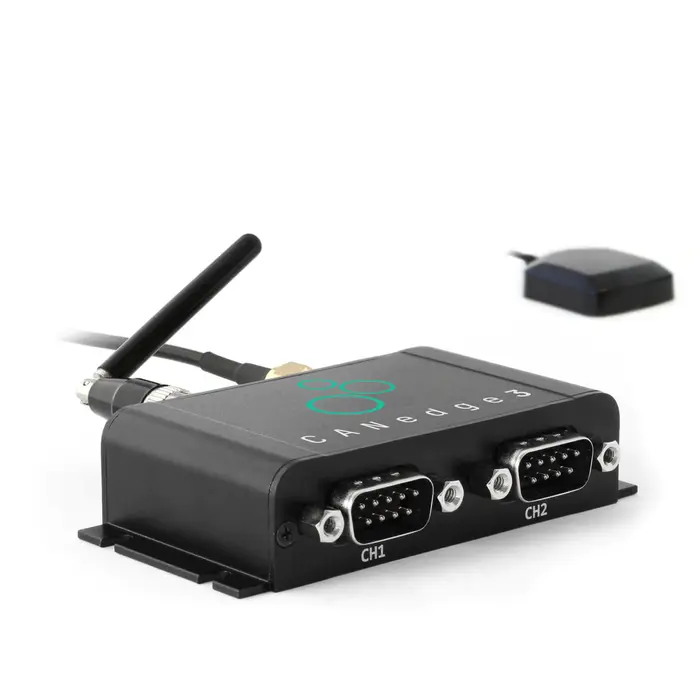
CANedge
Cloud-compatible CAN data logger for remote data collection and analysis
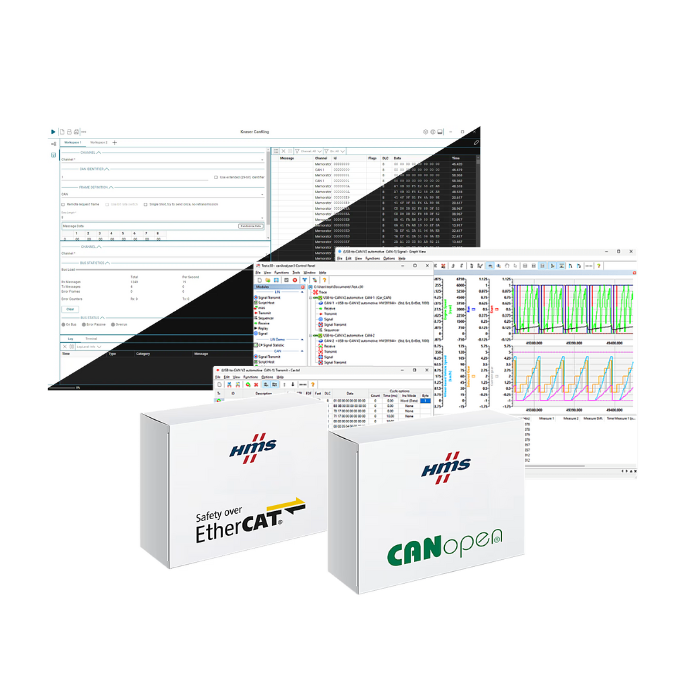
Software and Tools
Software and Tools
Diagnostic, configuration and analysis tools as well as protocol software and APIs - software products for the entire product development chain
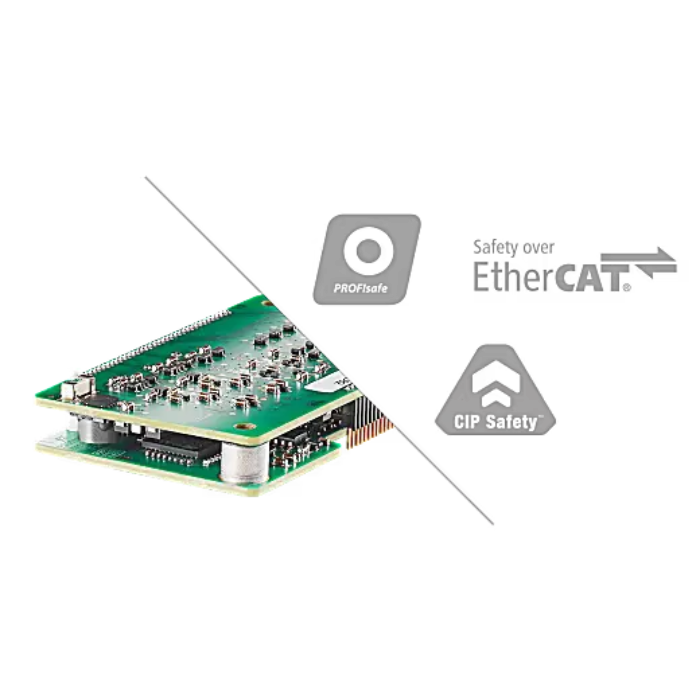
IO Modules and Protocol Software
For integrating secure I/O and communication solutions according to EN ISO 13849-1 and EN/IEC 62061
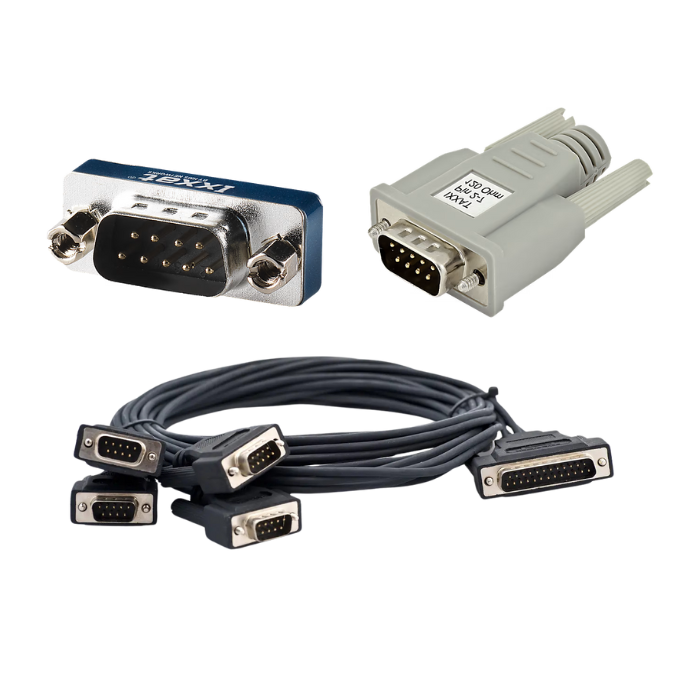
CAN Accessories
Cables, adapters, and terminators for CAN, FlexRay, and LIN - for compliant connection of fieldbus equipment and increased system reliability
Connect the device to the vehicle or to a separate ECU, and the other end to a PC or industrial computer.
The data collection and analysis of in-vehicle communication is realized through the supporting host computer software and API interface.
2.New energy power battery test
Realize real-time monitoring of battery status.
With Honghong gateway to realize CAN and Ethernet interconnection and interoperability, establishing a dual-layer network architecture of Ethernet and CAN to achieve remote control.
Yes, some devices support CAN FD and LIN protocols for applications in multi-protocol environments. Please check the specific model description to confirm support, or contact a specialist for selection.
Many CAN interface cards and analysis software support encryption and authentication mechanisms, and the use of secure communication protocols (e.g., UDS, XCP) enhances security and prevents unauthorized swipe operations.
Some of the higher-end devices are equipped with error detection and self-healing functions, which can automatically isolate error signals and adjust communication under high load conditions to ensure bus stability.
Compliant with standards such as OBD-II and ISO 14229, the majority of CAN devices support standardized diagnostics and calibration for a wide range of diagnostic command sets.
Yes, most analytics software has real-time data analysis and exception notification features that can monitor the status of the bus and indicate exceptions in real time for quick diagnosis.
Yes, some high-end data recorders offer channel synchronization to ensure time consistency in multi-channel recording situations, which is suitable for application scenarios that require precise synchronization.
Many CAN analysis software and gateways support node simulation to test the behavior of a bus network, simulating device nodes or specific signals to verify system stability.
Many CAN devices support a variety of diagnostic protocols, such as UDS (Unified Diagnostic Services) and KWP2000, which can be used for vehicle diagnostics and ECU programming.
Honghong will provide you with any support you need!
Our professional Honghong team will be the first to respond and provide you with the best service to solve all your problems.